How an appeal works
Grievance Policy (approved 25 August 2008, in effect from 1 October 2008)
- Who may appeal. Any staff member who believes an employment decision or action affecting them was not handled properly.
- First stage. The grievance is submitted in writing to the head of the staff affairs section, who responds within 10 days. If more time is needed, the employee is told why and given a date.
- Employee’s choice. Within 10 days of the decision, the employee either accepts it in writing or refers it to the Appeals Committee.
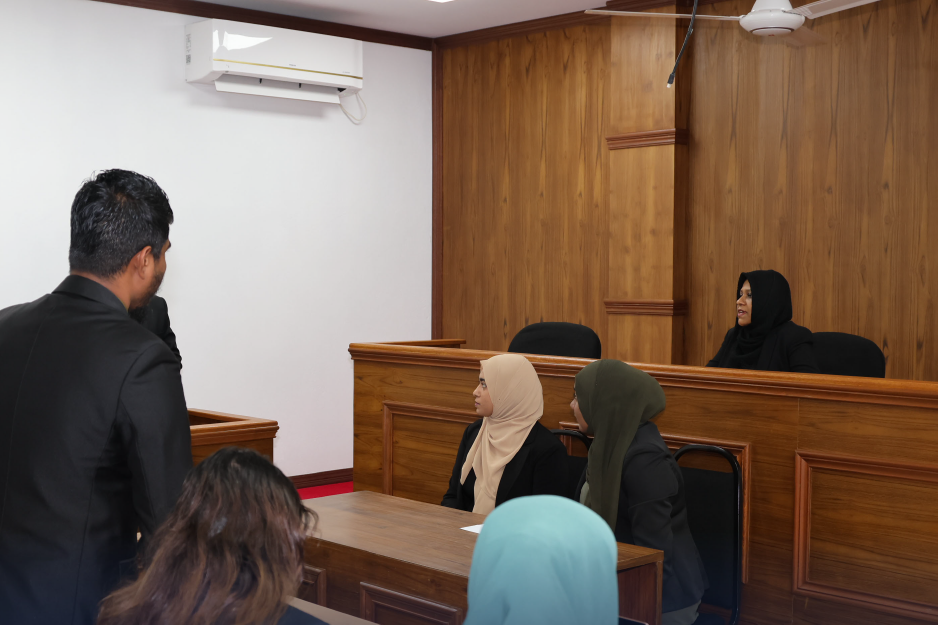
- Appeals Committee. A chair appointed permanently by the University’s governing council, a member nominated by the employee and a member appointed by the University. Both sides may be represented by a lawyer or another representative.
- The Committee may find that the decision was unreasonable and caused the employee a loss, in which case it refers the matter for correction, or that a fault caused no loss, or that the matter was handled properly. Decisions are in writing, with copies to the employee and the staff affairs section.
- Discrimination and harassment. The Policy covers complaints of discrimination, harassment and sexual harassment, which are investigated promptly and fairly, with steps to protect the complainant from loss.
- Natural justice. Cases are handled without bias, and the affected person has a chance to be heard before a decision.
Promotion and progression (Administrative Staff Promotion Policy, in effect from 23 April 2017)
- Salary increments and career progression are based on educational level, work performance and recognised contribution.
- An unsuccessful applicant may ask the Promotion Board to review its decision within 14 days of being notified, stating the matters to be addressed, any new evidence and whether the criteria or equity principles were not applied.
- The Board considers review requests before its final decision, which goes to the University Council for approval. The employee is informed within three days, and written reasons are placed on file if the review is unsuccessful.
- Complaints about salary or career progression are handled by the head responsible for employment matters, applying the Policy’s equity principles.
Gender-equality complaints (procedure in effect from 3 May 2018, under the Gender Equality Act)
- Staff and job applicants may complain about unequal pay for equal work, including salary, overtime, bonuses and allowances, unequal access to training or promotion, and direct, indirect or systemic discrimination.
- Complaints go on a prescribed form, through Human Resources, to a four-member, gender-balanced Gender Equality Committee. The complainant is told within three working days that it was received, and the Committee decides within 30 days.
- Victimisation or intimidation of a complainant is prohibited.
- A staff member who is dissatisfied may bring the matter to the Employment Tribunal within 90 days.
Protection when raising a concern
The 2026 policies reinforce these routes. The Policy on Workplace Anti-Discrimination, Diversity and Inclusion and the Policy on Anti Sexual Harassment and Abuse protect those who raise concerns from retaliation, and the sexual harassment procedure provides for committee investigation within 60 days, graded sanctions and an appeal to the Employment Tribunal. The Policy on Non-Discrimination Against Women, the Maternity Policy and the Paternity and Parent Support Policy protect staff from discrimination, retaliation or victimisation for using an entitlement or requesting support. The Policy on Expatriate Staff Welfare protects expatriate staff who file a grievance or approach the Employment Tribunal, and outsourced workers may use the University’s Human Resources and Sexual Harassment Prevention Committee channels under the Policy on Equivalent Rights for Outsourced and Third-Party Workers.
Our practice before the 2026 policies
Maldives National University is a public university established by the Maldives National University Act (Law No. 3/2011). Since its establishment, its handling of employee appeals has been conducted in compliance with the laws and regulations that apply to the public sector: the Constitution, the Employment Act (Act No. 2/2008), the Civil Service Regulation and the General Regulation on Employment (2021/R-63). The Grievance Policy has applied since 2008, the promotion review right since 2017 and the gender-equality complaints procedure since 2018.
Legal framework
The Employment Act (Act No. 2/2008), in force since July 2008, establishes the Employment Tribunal, to which employees may take employment disputes, and led to the creation of the Labour Relations Authority (Millennium Development Goals: Maldives Country Report 2010, Goal 1). The Gender Equality Act (Act No. 18/2016) provides for complaints to the employer and then to the Employment Tribunal. Pay is fixed to the position under the National Pay Policy Act (Act No. 11/2016).
Related Pages and Policies
Sources
Policy owner: Human Resources. Approved by the University Council 25 August 2008