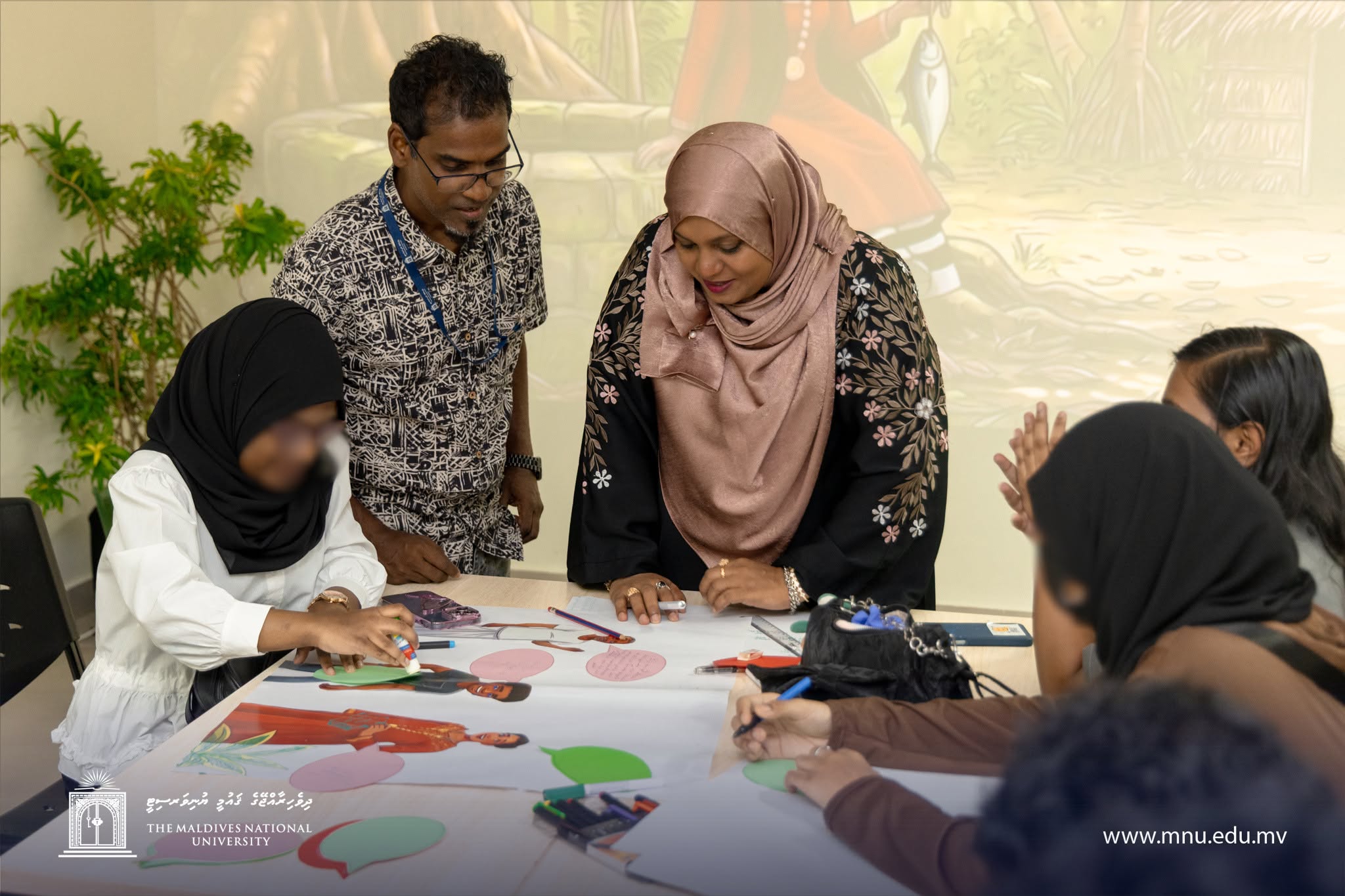
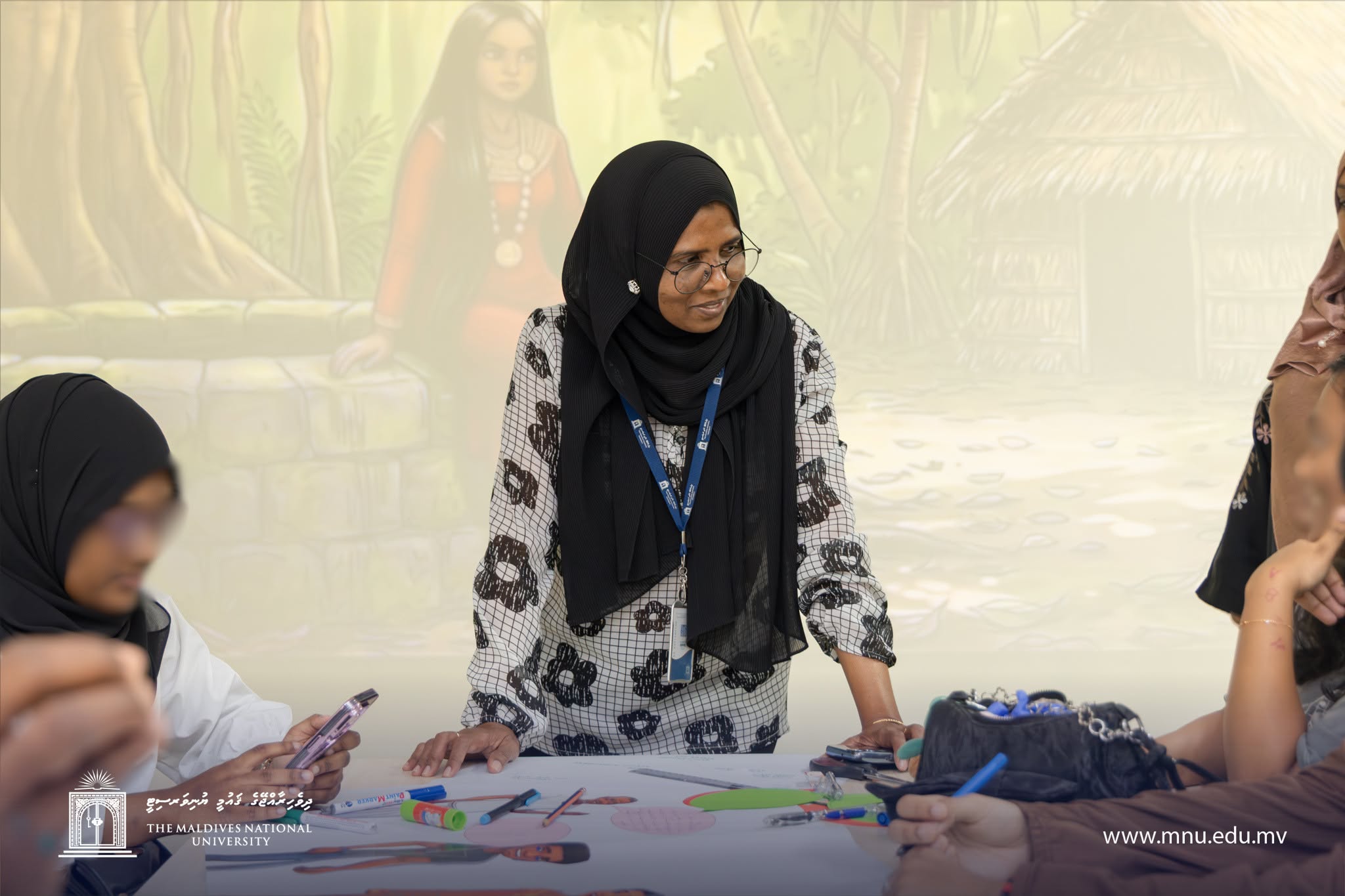
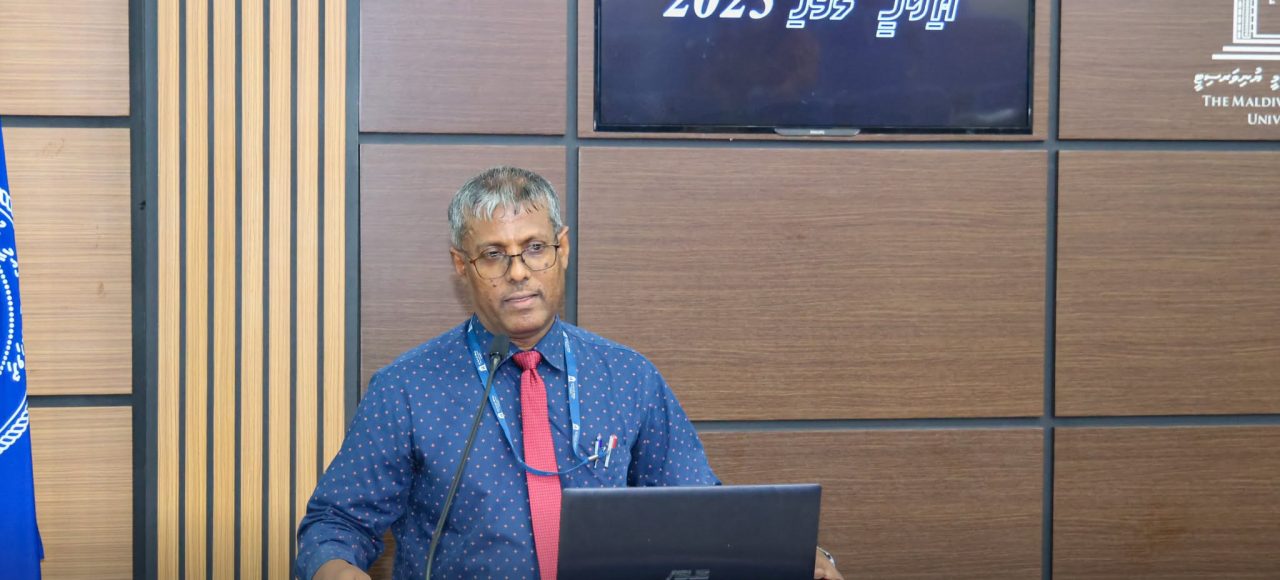
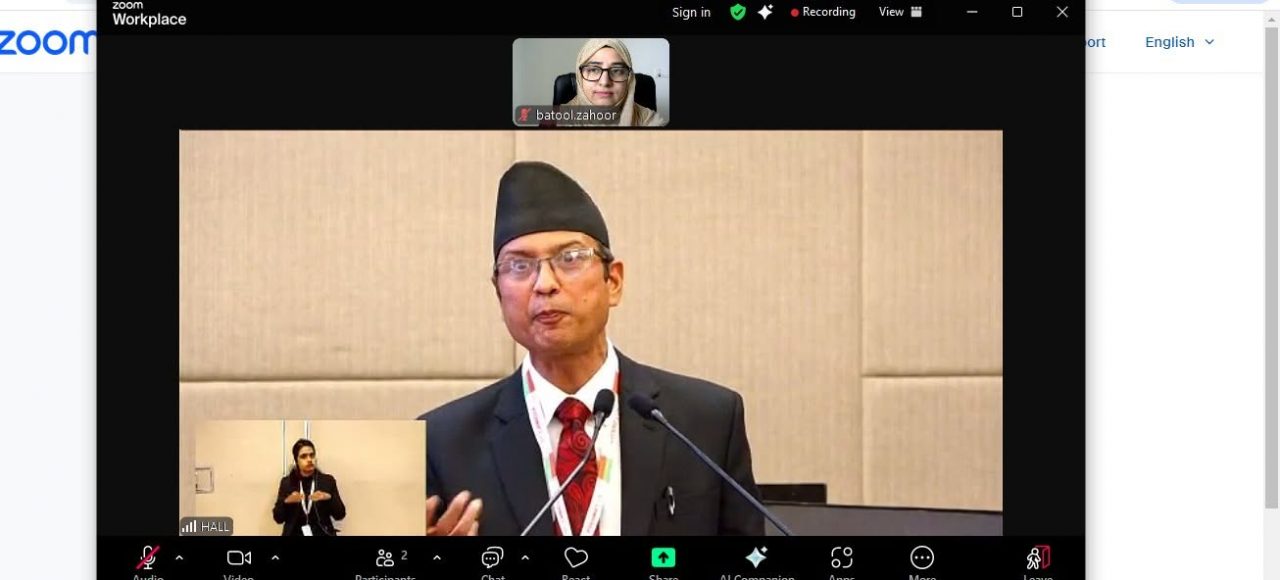
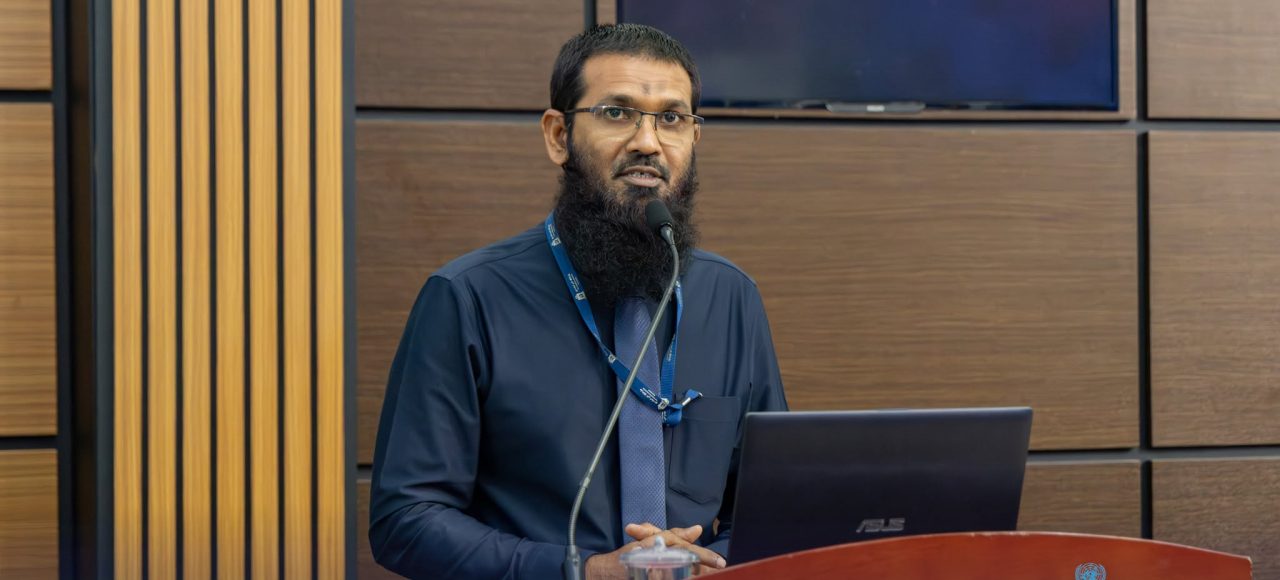
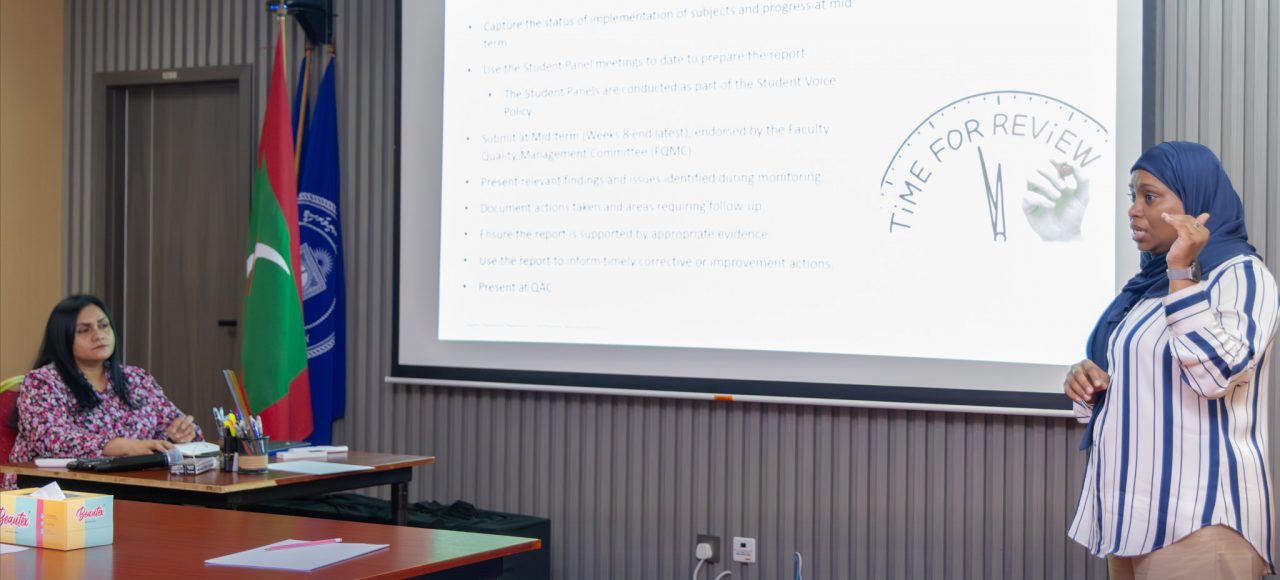
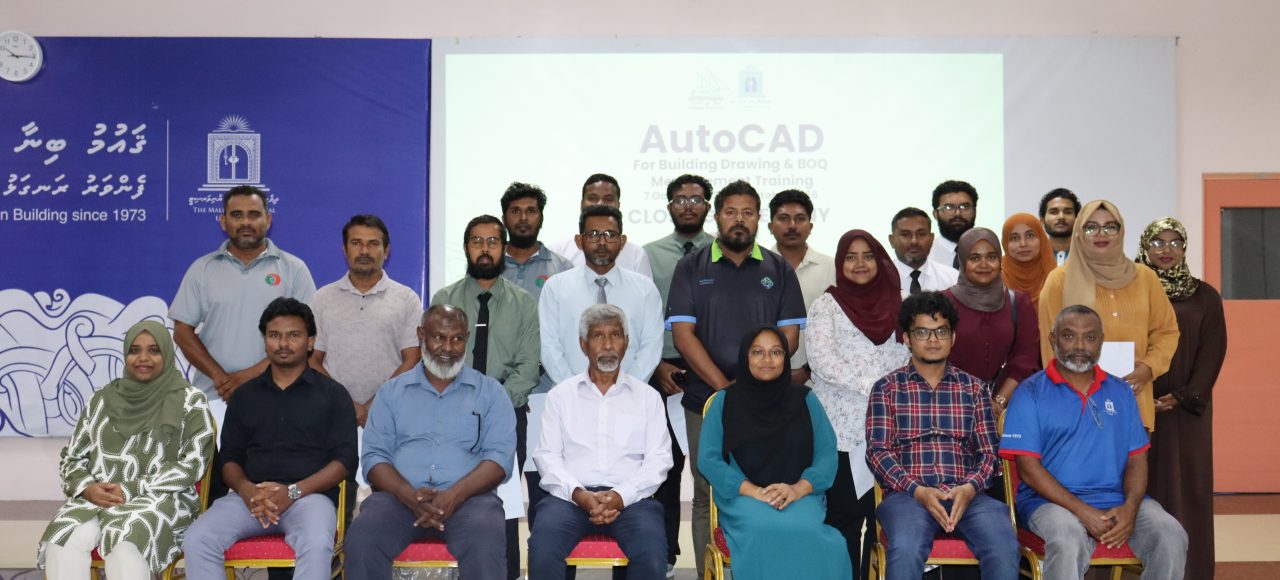
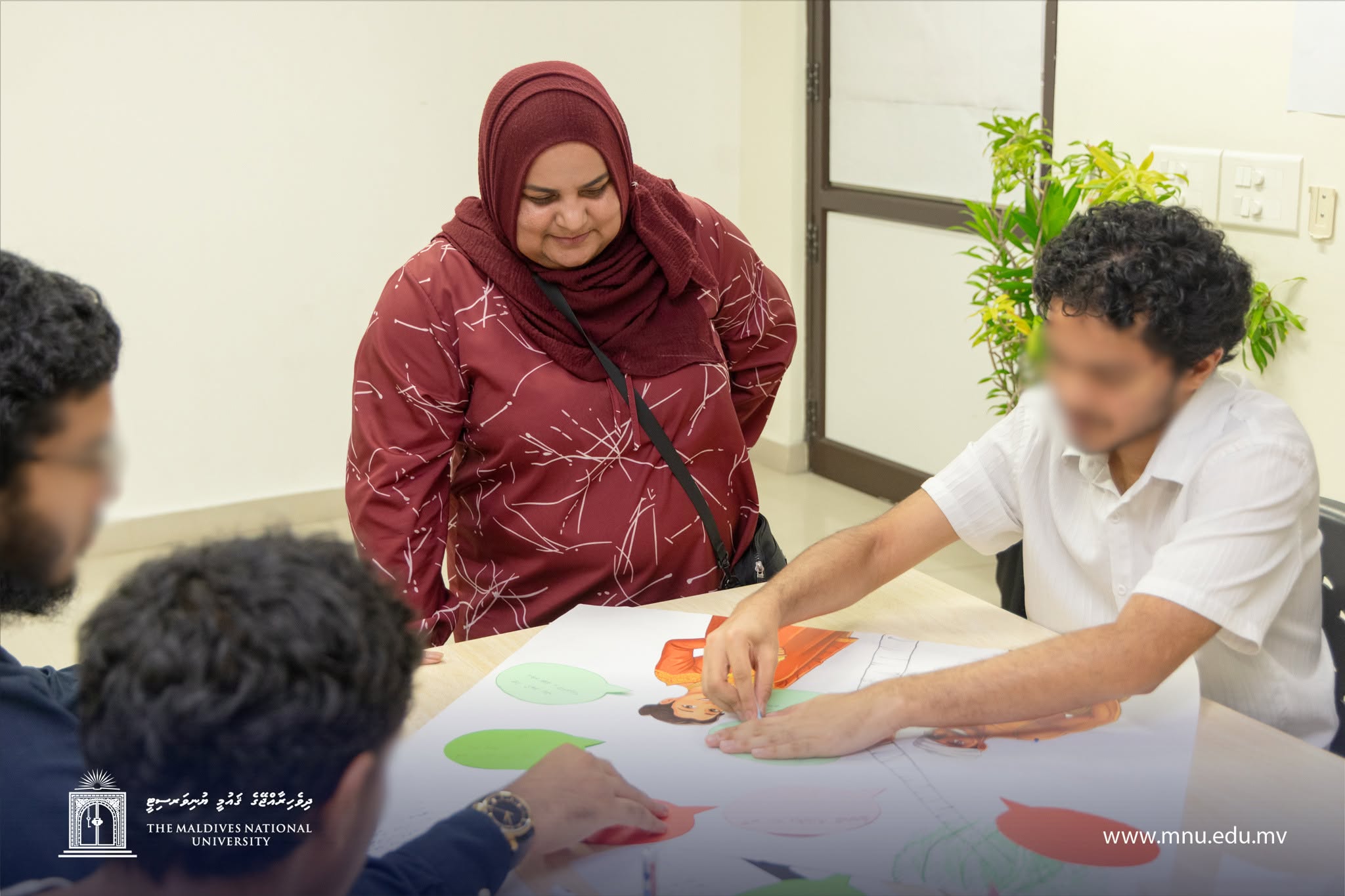
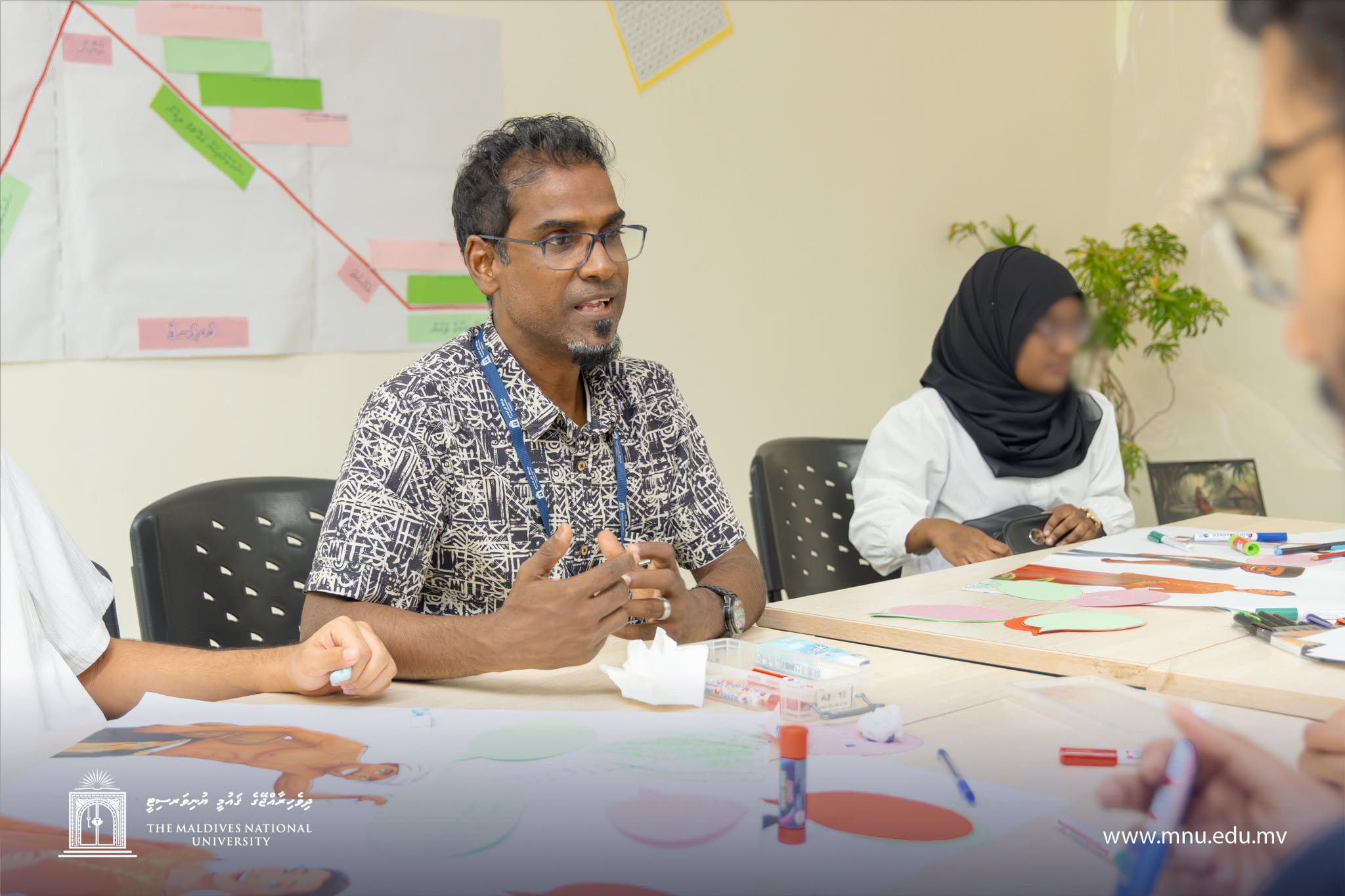
The Faculty of Arts and the Faculty of Education at The Maldives National University (MNU) collaborated to present “Vaahakaige Dhuniye,” a Dhivehi language and literary segment at MNU Mahasama (MNU Learning Festival 2026). The two-day programme provided young participants with opportunities to explore Dhivehi language and literature through creative, interactive, and age-appropriate learning activities.
Designed for three age groups—9–12, 13–15, and 16–18 years—the programme was led by a team of language and literary enthusiasts. Its activities were tailored to the participants’ age groups, encouraging them to engage with storytelling, narrative development, linguistic expression, and literary appreciation.
Through interactive discussions and creative exercises, participants explored ways to develop and communicate stories while expressing their ideas in Dhivehi. The activities encouraged creativity, confidence in language use, and appreciation of the richness of Dhivehi literature and cultural heritage.
The collaboration between the Faculty of Arts and the Faculty of Education brought together expertise in language, literature, and education to create an engaging learning experience beyond the conventional classroom. By connecting creative expression with language learning, the initiative offered young people a space to explore their linguistic and cultural identity while developing communication and creative-thinking skills.
“Vaahakaige Dhuniye” demonstrated the role of collaborative educational initiatives in encouraging young people to engage meaningfully with their language and literary traditions. The programme contributed to SDG 4 (Quality Education) by providing opportunities for creative and inclusive learning; SDG 11 (Sustainable Cities and Communities) by supporting appreciation of Dhivehi literary and cultural heritage; and SDG 17 (Partnerships for the Goals) through collaboration between MNU’s Faculty of Arts and Faculty of Education. Its focus on language expression and participation also relates to SDG 10 (Reduced Inequalities) where it supports equitable access to learning opportunities. SDGs 5 and 16 would require more specific evidence of activities addressing gender equality, peace, justice, or inclusive institutions to be strongly established.