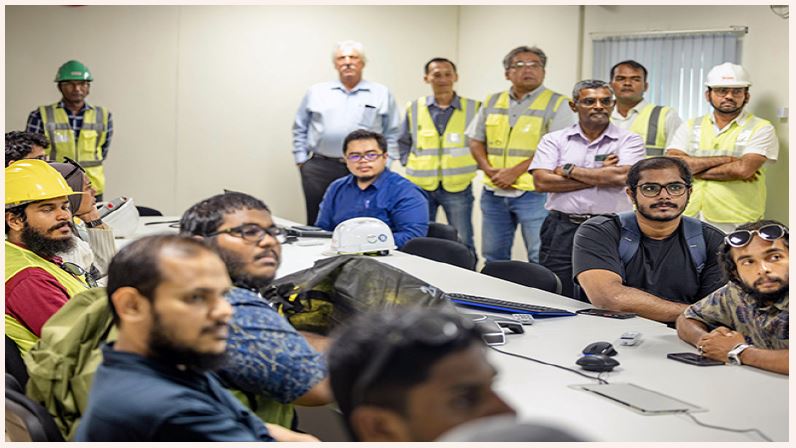
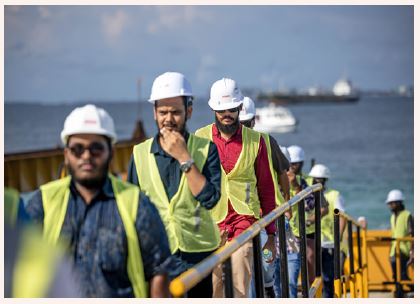
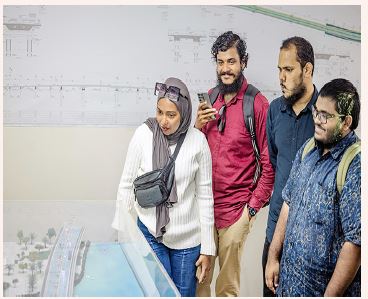
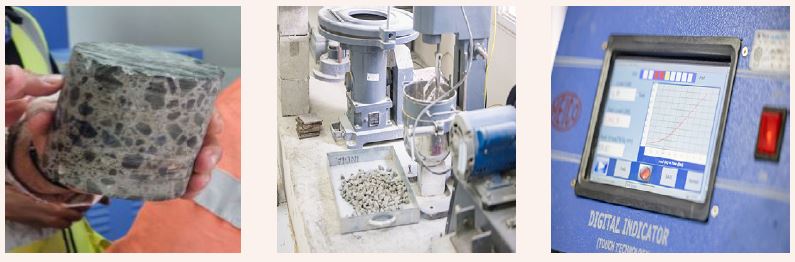
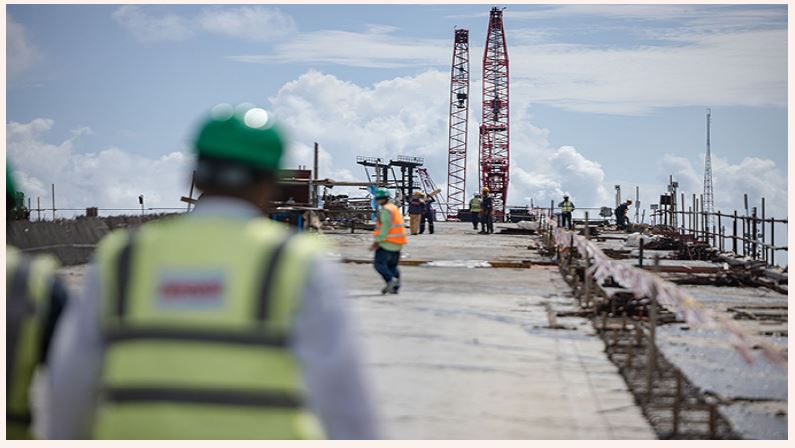
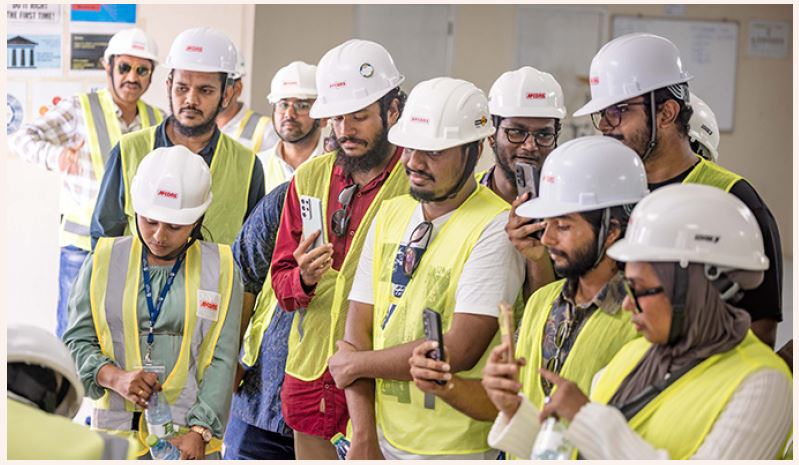
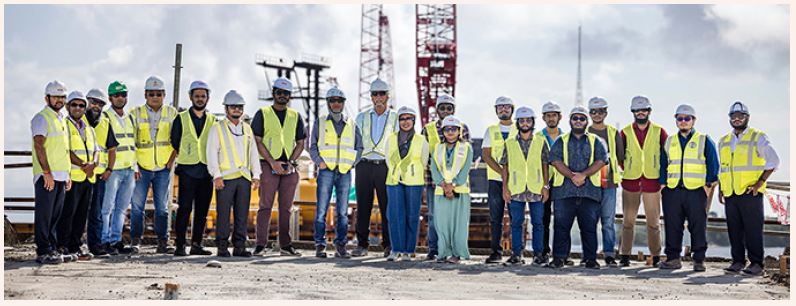
As a part of curriculum, Civil Engineering students from semester IV & V had a filed visit to Thilamale bridge site in the month of May. The Thilamalé Bridge, officially named the Greater Male’ Connectivity – Male’ to Thilafushi Link Project, is overseen by The Ministry of Construction & Infrastructure, with Project Management consultancy provided by Arup Maldives Limited and construction undertaken by AFCONS Infrastructure Limited. The bridge will stand as the largest ever constructed in the Maldives and as one of the most substantial construction endeavors in the Greater Male’ Region.
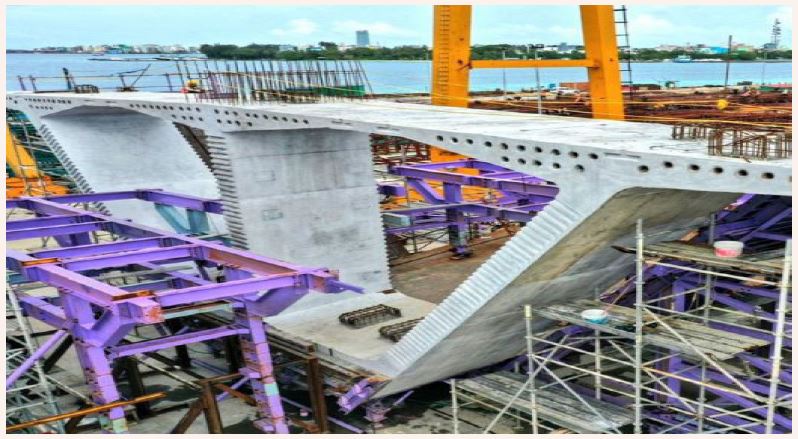
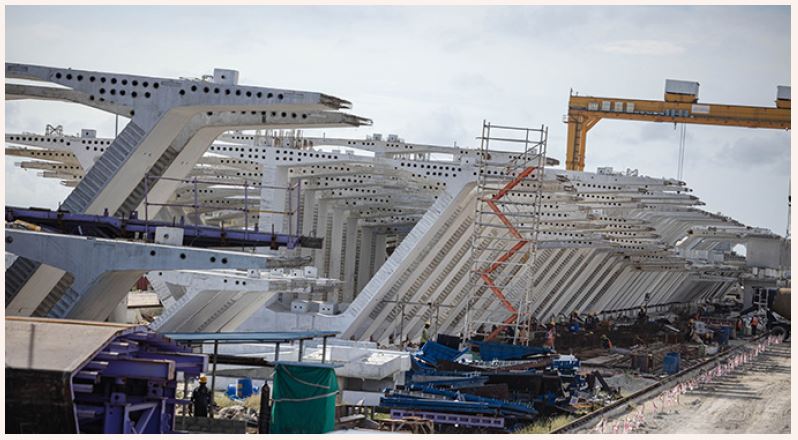
The bridge has many construction sites as this was an extremely large project, and we were able to visit two locations. The first location was in Male, serving as the starting point of the bridge at the industrial village. The second location was the casting yard in Gulhifalhu, where the precast bridge components are created and prepared for installation. The total project link was approximately 6.7km in length with three navigation bridges, 3.7km being bridge sections having 140-meter main span across the deep channel between each island, 1.41 kilometers of marine viaduct in deep water, 2.32-kilometer marine viaduct in shallow water or on land, and 2.96 kilometers of at-grade roads.
The Thilamalé Bridge site visit aligns with SDG 4 (Quality Education) by providing Civil Engineering students with practical exposure to large-scale bridge construction, precast technology, marine infrastructure, and project management, complementing their classroom learning. It supports SDG 8 (Decent Work and Economic Growth) by developing students’ technical knowledge, workplace awareness, and understanding of professional practices in major infrastructure projects. The visit contributes to SDG 9 (Industry, Innovation and Infrastructure) by exposing students to advanced construction methods, engineering technologies, and the development of major transport infrastructure. It also supports SDG 11 (Sustainable Cities and Communities) by demonstrating how improved connectivity and resilient transport infrastructure can support urban development, mobility, and stronger connections between communities in the Greater Malé Region.