Improving water quality by reducing pollution, minimizing the release of hazardous chemicals and materials, reducing untreated wastewater, and increasing recycling and safe reuse of water is one of the main targets of MNU towards ist sustainable goals. Different activities are carried out to achieve this.
1. Research on Microplastics in Bottled Drinking Water
MNU Investigates Microplastic Contamination in Commercially Available Bottled Water
MNU contributes to SDG 6 by preventing Water System Pollution through research investigating microplastic contamination in commercially available bottled drinking water in the Maldives. Supported by the 2025 University Research Grant, the study aims to identify the presence of microplastics in drinking water and generate scientific evidence to support water-quality assessment, environmental monitoring and the prevention of emerging contaminants in drinking-water resources.
2. RECOVER Project – Water Security and Groundwater Quality
MNU Supports Water Quality Protection through the RECOVER Project
MNU contributes to SDG 6 – Preventing Water System Pollution through the international RECOVER project, which focuses on water security and environmental resilience in Malé. Research activities include investigating groundwater quality, household water consumption, stormwater management and urban flooding risks. Through scientific research, stakeholder consultations and student research projects, MNU supports improved understanding of water-system vulnerabilities and the development of sustainable approaches to protect water resources and prevent environmental contamination.
3. Research and Community Engagement on Water Security
MNU Engages Communities in Strengthening Urban Water Security
MNU contributes to SDG 6 through stakeholder consultations and community engagement under the RECOVER project. Activities conducted in Malé during 2025 explored challenges related to water security, water accessibility and climate-related risks, including the experiences of vulnerable communities. The initiative supports evidence-based water-resource planning and strengthens awareness of the importance of protecting and sustainably managing water systems.
4. Infection Prevention and Control Training
MNU Promotes Improved Sanitation and Hygiene through Infection Prevention Training
MNU contributes to SDG 6 – Clean Water and Sanitation by strengthening hygiene and infection prevention practices through the SCALE project, in collaboration with Northumbria Healthcare NHS Foundation, UK. In December 2025, MNU conducted an Infection Prevention and Control training session for 20 healthcare professionals at Hulhumalé Hospital. The initiative promotes improved hygiene, sanitation and infection-control practices while strengthening healthcare workers’ capacity to maintain safer and healthier environments.
5. Handwashing Awareness Programme
MNU Promotes Safe Hygiene Practices through a Handwashing Awareness Programme
MNU contributes to SDG 6 – Clean Water and Sanitation through educational activities promoting proper hygiene and sanitation practices. On 8 September 2025, MNU conducted a handwashing awareness programme for 190 preschool children and teachers at Falah Preschool. Through demonstrations and practical activities, participants learned the correct handwashing techniques, promoting good hygiene habits and helping prevent the spread of infections. The initiative supports improved sanitation awareness and public health within the community.
6. Water Conservation and Sustainable Utility Management
MNU Promotes Sustainable Water Use and Environmental Responsibility among Staff
MNU Kulhudhuffushi Campus, in collaboration with the Utility Regulatory Authority (URA), conducted an information session for university staff on 17 August 2025. The session promoted responsible water consumption, water conservation and effective waste management. Through awareness and practical guidance, the initiative encouraged staff to adopt sustainable utility practices and contribute to the protection of environmental resources and responsible water management within the community.
Other Supporting Activities
7. South Asian Nitrogen Hub (SANH) – Nitrogen Pollution and Water Quality
MNU Contributes to Regional Research on Nitrogen Pollution and Water Quality through the South Asian Nitrogen Hub
MNU contributes to SDG 6 – Preventing Water System Pollution through its participation in the South Asian Nitrogen Hub (SANH), a regional research collaboration funded by UK Research and Innovation (UKRI). Implemented in partnership with the UK Centre for Ecology & Hydrology, the project investigated nitrogen pollution and its environmental impacts in the Maldives. Activities included groundwater and marine water sampling in AA. Thoddoo, water-quality analysis, agricultural fertiliser-use surveys and the development of the Maldives National Nitrogen Policy Report. These activities generated scientific evidence to support sustainable nitrogen management and the prevention of nutrient pollution in aquatic environments.
8. Microplastic Pollution in the Marine Environment around Thilafushi
MNU Investigates Microplastic Pollution in the Marine Environment Surrounding Thilafushi
MNU contributes to SDG 6 – Preventing Water System Pollution through its research project Bioavailability of Microplastics within the Marine Environment Surrounding K. Thilafushi. Funded through the MNU University Research Grant scheme, the research investigates microplastic contamination in seawater, marine sediments and fish to understand the distribution, composition and potential pathways of plastic pollution. The study generates scientific evidence to support marine water-quality monitoring, identification of pollution sources and improved waste-management practices, contributing to the protection of aquatic ecosystems in the Maldives.
9. CHOMV Project – Sustainable Nitrogen Management and Coastal Water Pollution
MNU and International Partners Collaborate to Prevent Coastal Water Pollution through the CHOMV Project
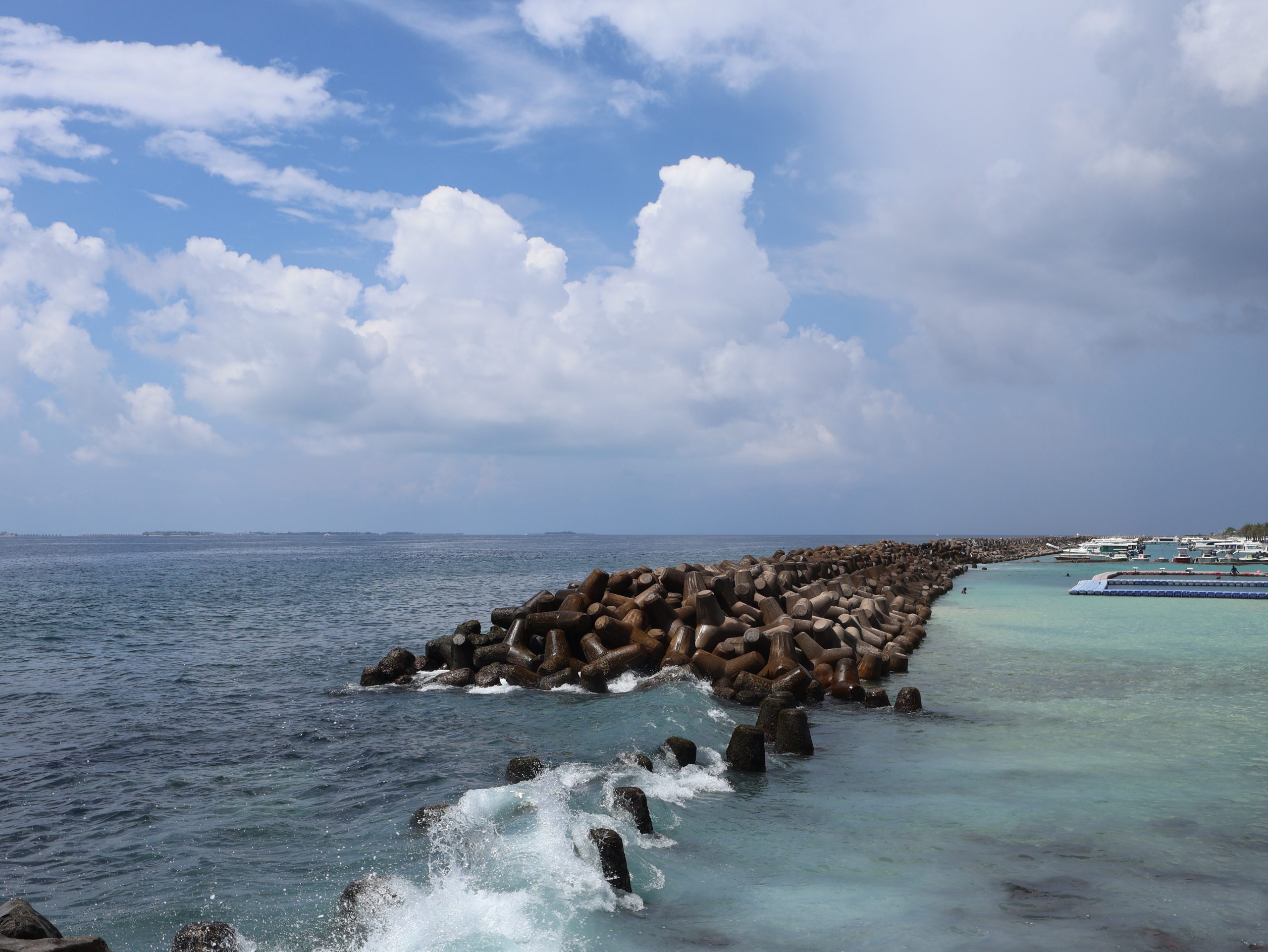
MNU contributes to SDG 6 by preventing Water System Pollution through the Sustainable Nitrogen Management for a Clean and Healthy Ocean: Maldives (CHOMV) project, implemented in collaboration with the UK Centre for Ecology & Hydrology and the United Nations Environment Programme (UNEP). Launched in May 2026, the initiative addresses nitrogen and phosphorus pollution entering coastal waters from agricultural, industrial and municipal sources. The project promotes sustainable nutrient management, stronger environmental policies, water-quality monitoring and stakeholder awareness to reduce marine pollution and protect the Maldives’ coastal and marine ecosystems.
10. Ban on Single-Use Plastic Water Bottles on MNU Campuses
MNU promotes sustainable campus practices through the ban on single-use plastic water bottles across its campuses. This initiative encourages the use of reusable drinking bottles and helps reduce plastic waste, preventing potential pollution of water resources and the marine environment. It also supports responsible consumption and contributes to a cleaner and more sustainable campus environment.