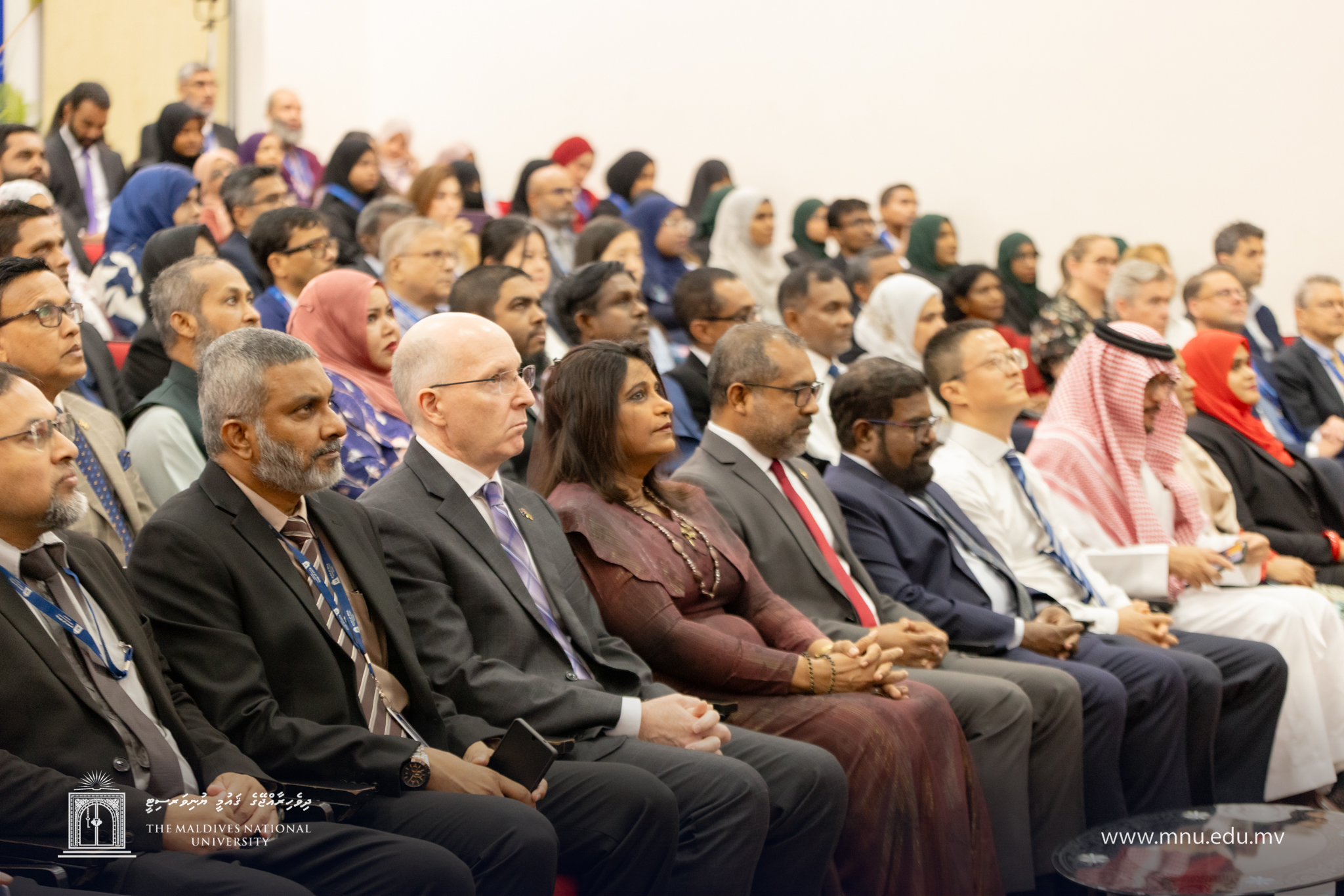
The Theveli 2025 International Conference, organized by The Maldives National University (MNU) from 18–20 August 2025, brought together researchers, academics, students, practitioners and international experts for three days of research dissemination, knowledge exchange and academic engagement.
As one of MNU’s important annual research events, Theveli 2025 featured paper presentations, international keynote speeches and post-conference workshops, providing participants with opportunities to share research across 17 sub-themes spanning a wide range of disciplines.
The conference received significant interest, with 239 abstracts submitted and 198 abstracts accepted. The event brought together 156 local and 50 international participants, with international representation from 17 countries: the United Arab Emirates, Thailand, Germany, Malaysia, the United States of America, Nigeria, India, Egypt, Kenya, Pakistan, Sri Lanka, the United Kingdom, Palestinian Authority, Hungary, France, Australia and Bangladesh.
A Multidisciplinary Platform for Research
Research presented at Theveli 2025 addressed diverse areas including ocean and environmental sciences, education, public health, clinical practice and patient-centred care, social and human development, arts and culture, fisheries and agriculture, business and organizational management, emerging technologies, the built environment, tourism and hospitality, Islamic studies, law and access to justice, international relations, and sports and performance.
The conference programme reflected contributions to several United Nations Sustainable Development Goals (SDGs), particularly SDG 3 – Good Health and Well-being, SDG 4 – Quality Education, SDG 5 – Gender Equality, SDG 8 – Decent Work and Economic Growth, SDG 9 – Industry, Innovation and Infrastructure, SDG 10 – Reduced Inequalities, SDG 11 – Sustainable Cities and Communities, SDG 12 – Responsible Consumption and Production, SDG 13 – Climate Action, SDG 14 – Life Below Water, SDG 15 – Life on Land, SDG 16 – Peace, Justice and Strong Institutions, and SDG 17 – Partnerships for the Goals.
First-Ever Undergraduate Student Research Symposium in the Maldives
A significant milestone of Theveli 2025 was the introduction of the first-ever Undergraduate Student Research Symposium in the Maldives.
The dedicated symposium provided undergraduate students across MNU’s bachelor’s degree programmes with a platform to showcase their research. It was designed to strengthen students’ research capabilities, scientific writing skills and ability to present research findings in line with academic standards.
The symposium received 31 abstracts, of which 29 were accepted. As part of the initiative, the Undergraduate Research Excellence Award and the Best Faculty Award were presented to recognize outstanding student research and faculty contributions to the development of undergraduate research.
International Keynote Speakers
Theveli 2025 featured four distinguished international keynote speakers who brought expertise from different disciplinary and professional backgrounds.
Prof. Dr. Christian Bueger, Professor of International Relations at the University of Copenhagen, Denmark, delivered the keynote “Translating Research, Making Practitioners Think.”
Assoc. Prof. Dr. Nurazzura Mohamad Diah, Associate Professor at the Department of Sociology & Anthropology, AHAS KIRKHS, International Islamic University Malaysia, delivered “Innovative Learning Spaces for Lifelong Learning Transformation.”
His Honour Judge Malcolm Simmons, Judge of the Supreme Court of the Falkland Islands, South Georgia and South Sandwich Islands and British Antarctic Territory, presented “Judicial Evolution and Its Place in Contemporary Governance.”
Dr. Scott G. Blair, Sustainability Literacy in Higher Education Expert and Content Development Editor at Sulitest Impact, delivered “Rays of Hope – Assessing & Building Sustainability Knowledge Across Higher Education.”
The keynote sessions attracted approximately 220–260 participants per session, creating opportunities for participants to engage with international perspectives on research translation, education, governance and sustainability.
Extending Knowledge through Post-Conference Workshops
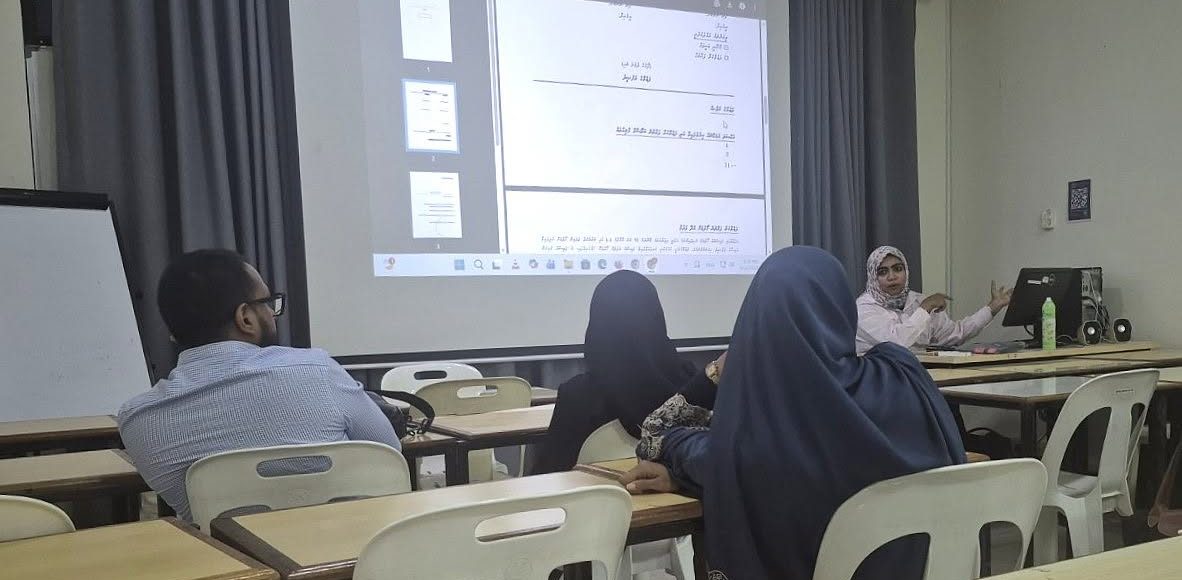
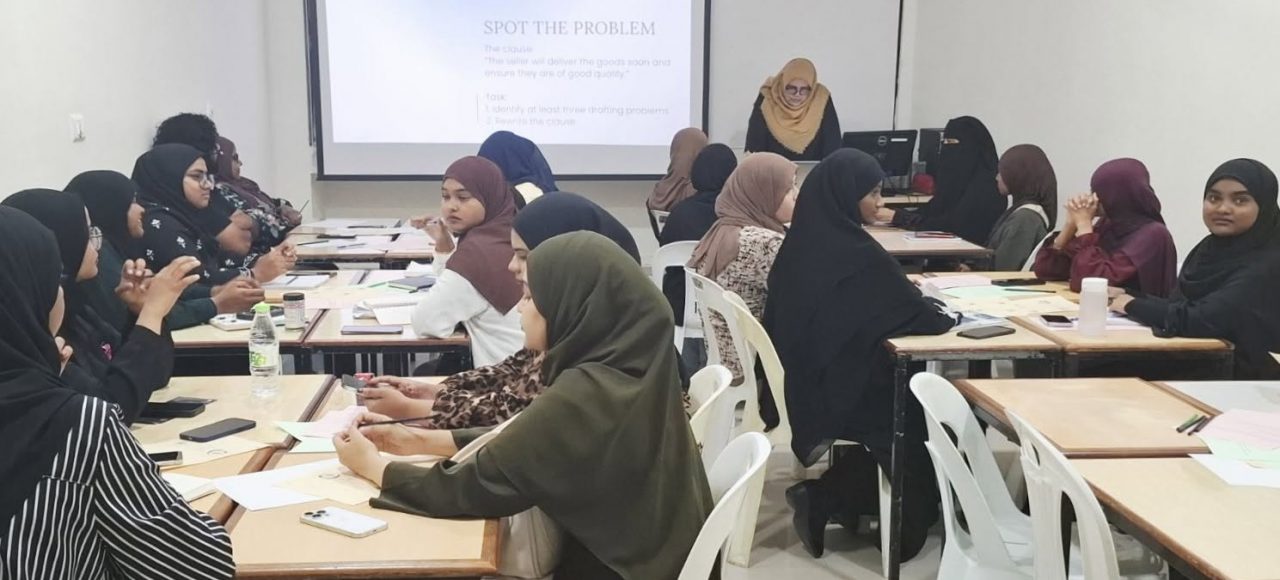
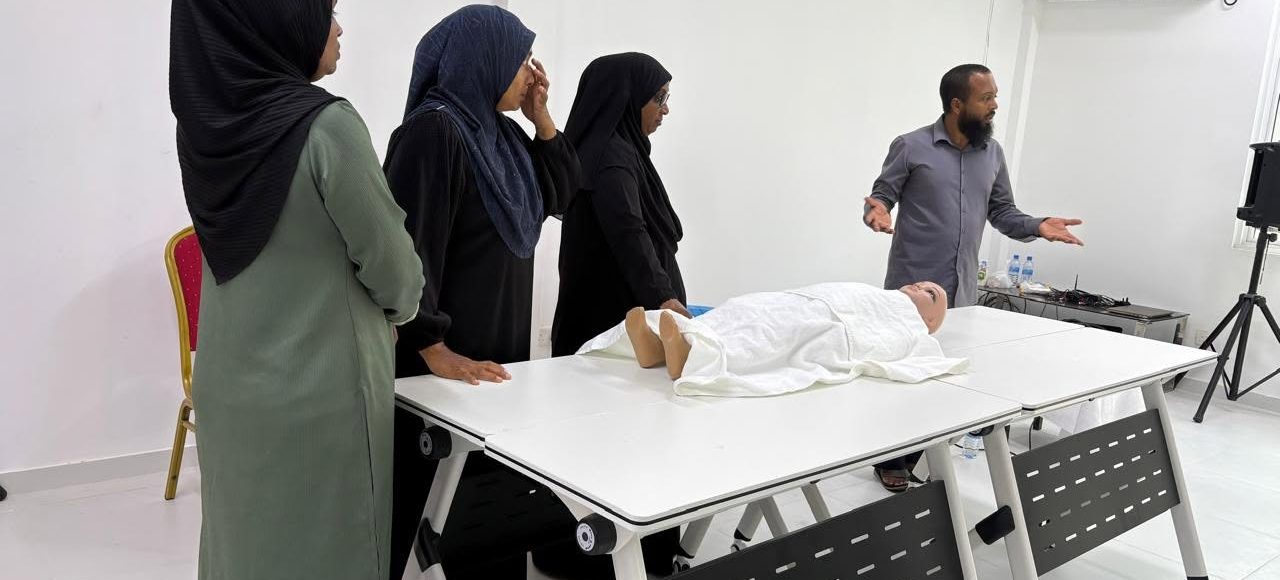
The conference was complemented by five post-conference workshops, extending opportunities for professional development, knowledge exchange and capacity building.
The sessions addressed global ocean politics and connections between security, economic, environmental and justice agendas; empowerment of disabled female students through digital entrepreneurship; remote courts and the delivery of justice; sustainability across campuses, curricula and student learning; and academic reviewing and citation practices.
The workshops attracted approximately 220–250 participants per session, further extending the reach and academic contribution of Theveli 2025.
Advancing Research and Sustainable Development
Through its research presentations, Undergraduate Student Research Symposium, international keynote sessions and post-conference workshops, Theveli 2025 strengthened interdisciplinary research dissemination, student research development, international academic engagement and knowledge exchange at MNU.
By bringing together research across multiple disciplines and connecting academic inquiry with contemporary social, health, environmental, educational, technological and governance challenges, the conference provided a platform for strengthening research collaboration, knowledge sharing and partnerships for sustainable development.
Theveli 2025 further reinforced The Maldives National University’s commitment to fostering a strong research culture and creating opportunities for researchers and students to contribute knowledge relevant to the Maldives and the wider international community.