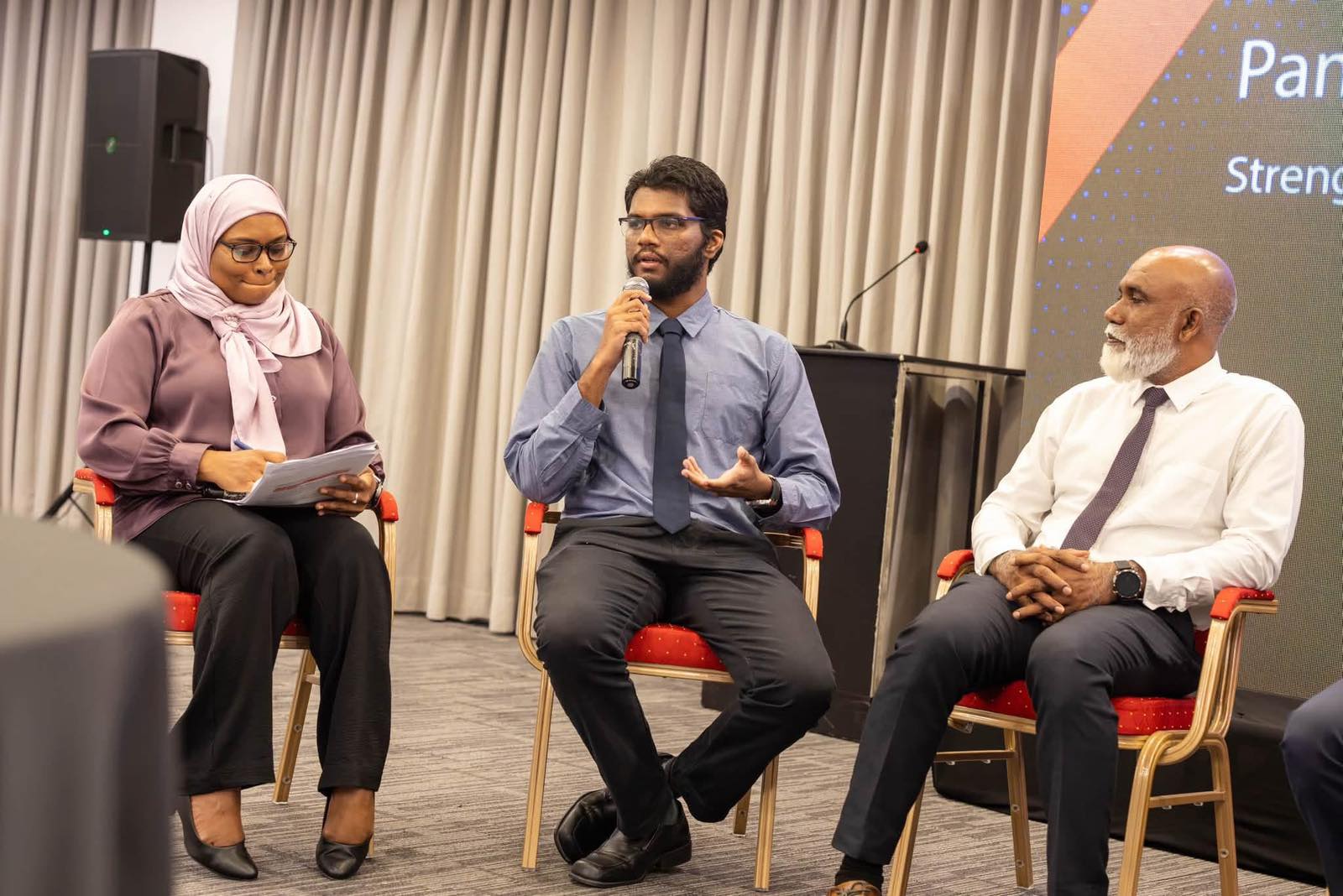
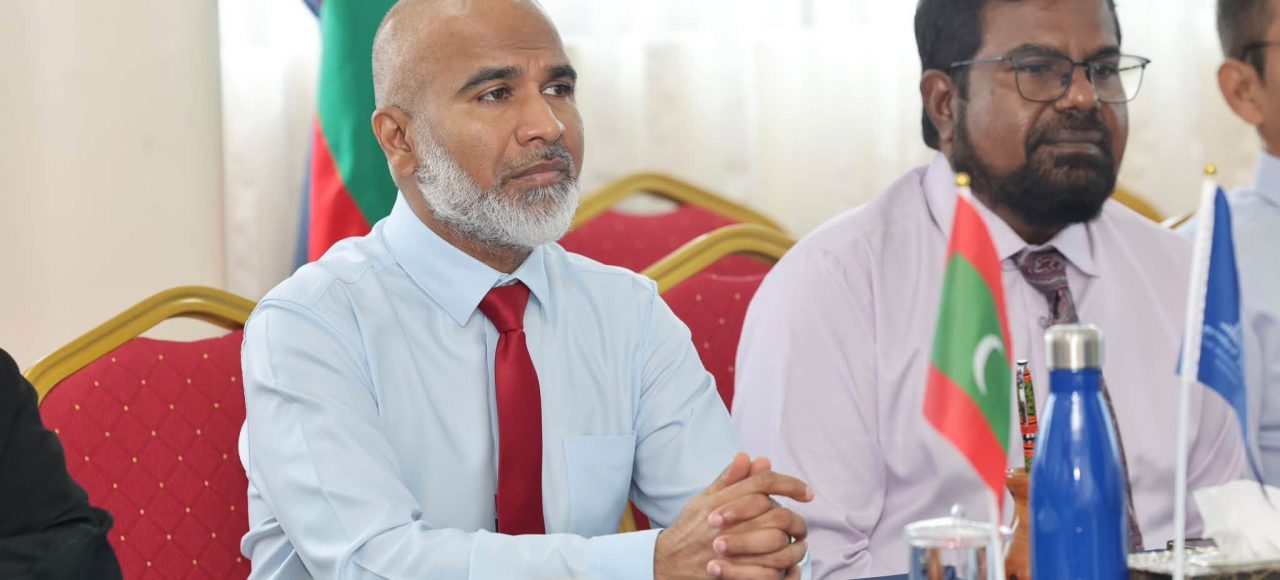
The Maldives National University (MNU), in collaboration with the Ministry of Education, Higher Education and Skills Development, launched a landmark study, Lost in Transition, at the World Youth Day 2026 Policy Dialogue on 12 August 2026. The study examines young people’s transitions from lower to higher secondary education and from higher secondary education to higher education and/or employment.
Using a mixed-methods approach, the study draws on ten years of education data and the experiences of 2,606 students and participants in 76 focus group discussions, including students, school leavers, educators, policymakers, employers, parents and higher education stakeholders.
The findings reveal a significant “Grade 11 cliff”, with fewer than 40% of students nationally transitioning from Grade 10 to Grade 11, alongside persistent regional and gender disparities. The study identifies financial and access barriers, limited career guidance and school support, sociocultural factors, student wellbeing and motivation, infrastructure and resource constraints, and gaps in the relevance of the education system, including limited subject offerings and vocational pathways, as key barriers to successful transitions
While acknowledging positive changes to the Maldivian education system since 2024, including more inclusive Grade 11 entry criteria, increasing higher secondary enrolment and expanded academic and vocational pathways, the study proposes 10 recommendations. These include equitable access, career guidance, gender-responsive retention, labour-market-aligned curricula, financial support, teacher development, inclusive education, stronger governance, national transition monitoring and public awareness of diverse education and career pathways.
Through “Lost in Transition,” MNU contributes evidence and practical recommendations to support more equitable and relevant education pathways for young people across the Maldives.