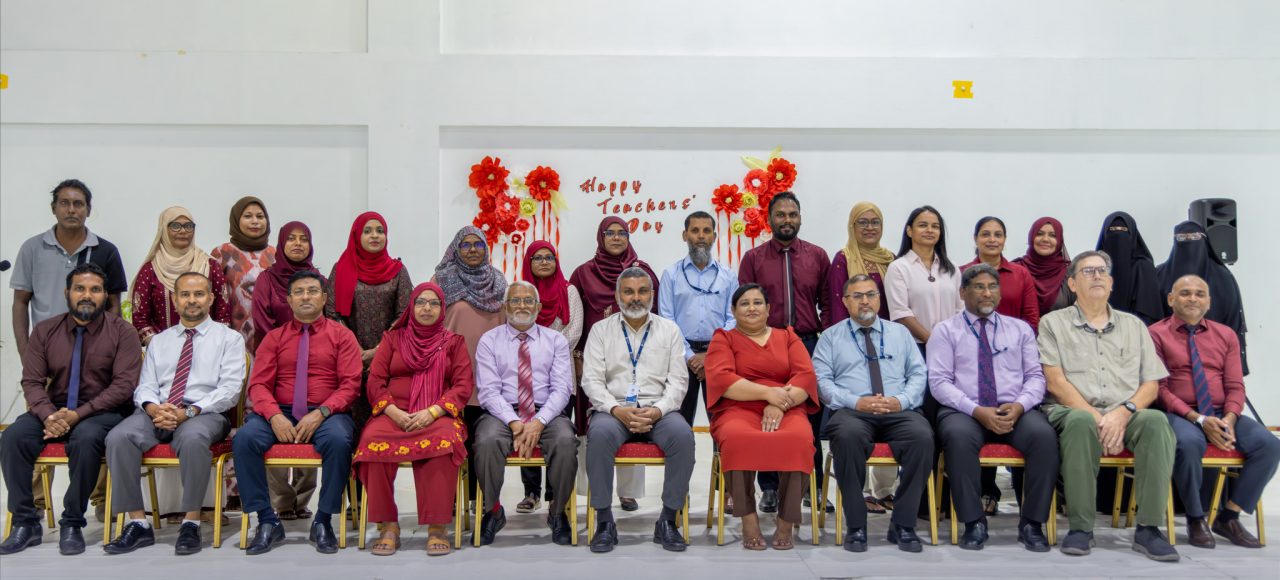
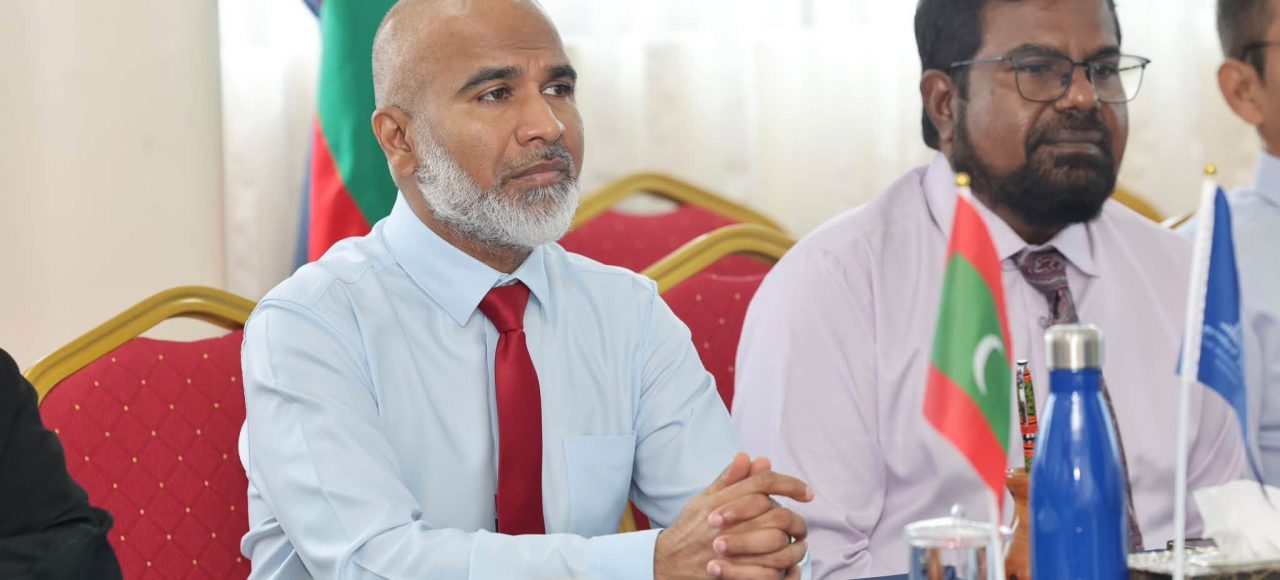
MNU joined key national stakeholders at the World Youth Day 2026 Policy Dialogue, held on 12 August 2026, focusing on “Skills for a Shared Future: Building Future-Ready Competencies and Strengthening Learning-to-Earning Transitions in the Maldives.”
The high-level policy dialogue, convened by UNICEF in collaboration with the Ministry of Education, Higher Education and Skills Development and MNU, brought together representatives from government, education and training institutions, employers, development partners, civil society and youth to explore practical strategies for strengthening young people’s pathways from education to employment.
The dialogue addressed critical challenges facing young people, including gaps between education and labour market needs, limited career guidance and labour market information, and the need to strengthen future-ready competencies such as digital skills, critical thinking, communication, leadership, entrepreneurship and workplace readiness.
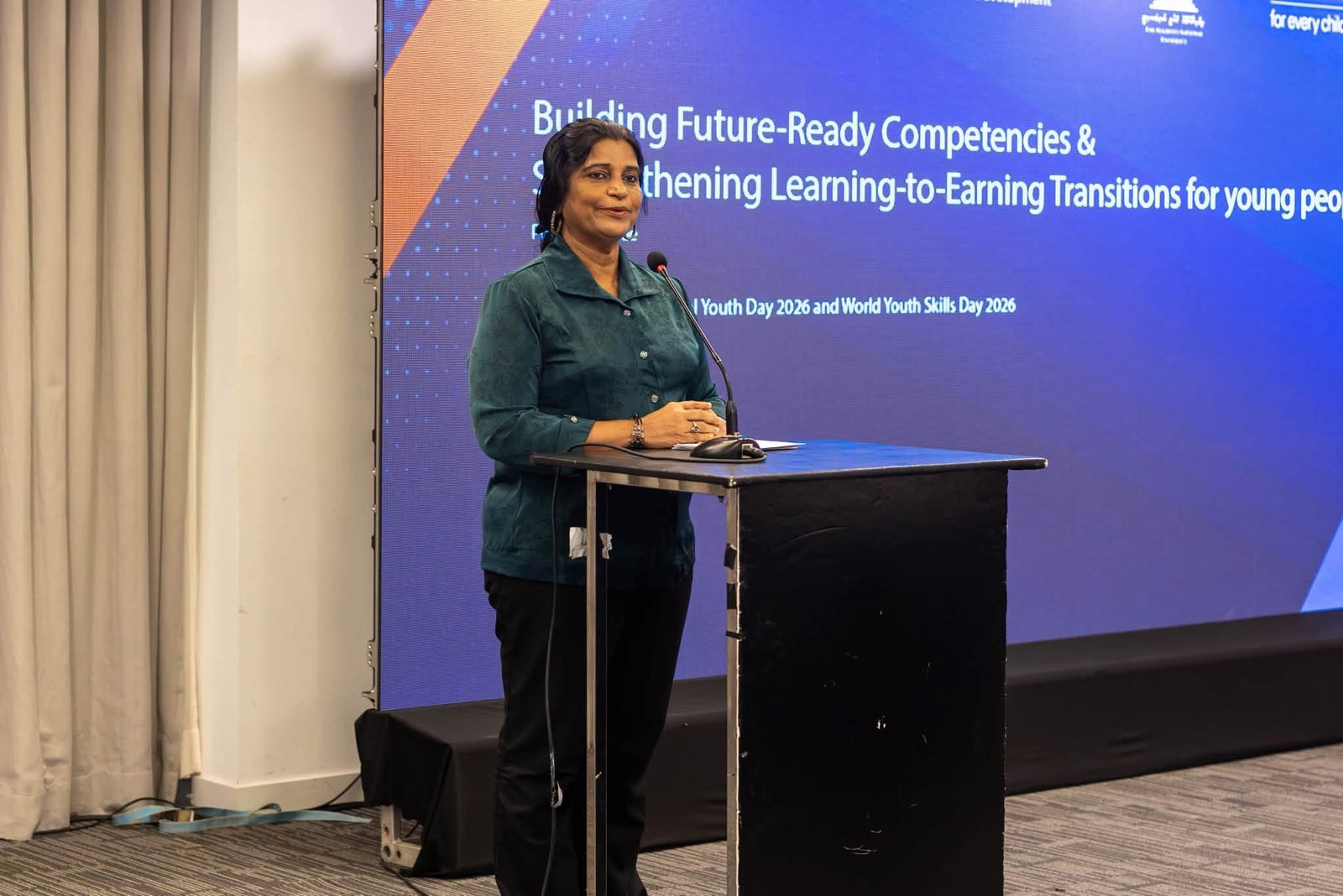
Representing MNU, the Vice Chancellor Dr Aishath Shehenaz Adam delivered remarks during the opening session, highlighting the important role of higher education in preparing young people for an evolving world of work and in strengthening pathways that connect learning, skills development and employment. She emphasized how MNU uses evidence in decision making and developing strategies highlighting the new career guidance initiative ‘MNU Future Ready series’ that will be initiated in the upcoming semester
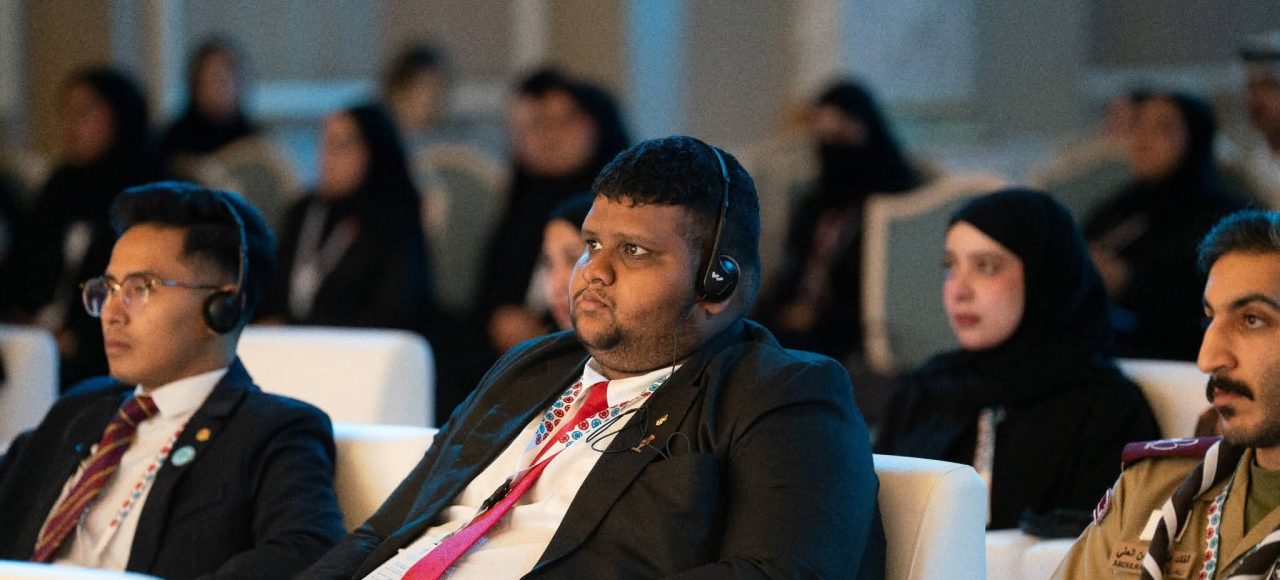
MNU also played a substantive role in the policy dialogue through its contribution to the ‘Voices from the Ecosystem: Multi -Stakeholder Panel Discussion’. The session explored how education can be better connected with employment opportunities, how entrepreneurship can be made more attractive to young people, and how young people from the outer islands can be better supported in accessing opportunities and livelihoods.
The policy dialogue adopted a collaborative, evidence-driven approach, bringing together multiple perspectives through presentations, panel discussions, thematic roundtables, youth perspectives and consensus-building activities. The discussions aimed to generate practical recommendations for strengthening career guidance, labour market intelligence, education-industry alignment, skills ecosystem governance and partnerships.
The event also featured the launch of the ‘Lost in Transition’ study, developed by MNU for the Ministry of Education, Higher Education and Skills Development.
MNU’s participation reflects the University’s continued commitment to contributing to national conversations on youth development, education, employability and the future of work, while strengthening partnerships that support young people in making successful transitions from learning to earning.
The outcomes of the dialogue are expected to inform UNICEF Maldives’ five-year plan and associated partnerships, as well as shape future policies, programmes, and collaborations with key stakeholders, with the aim of strengthening youth employability, workforce readiness, and meaningful participation in society.