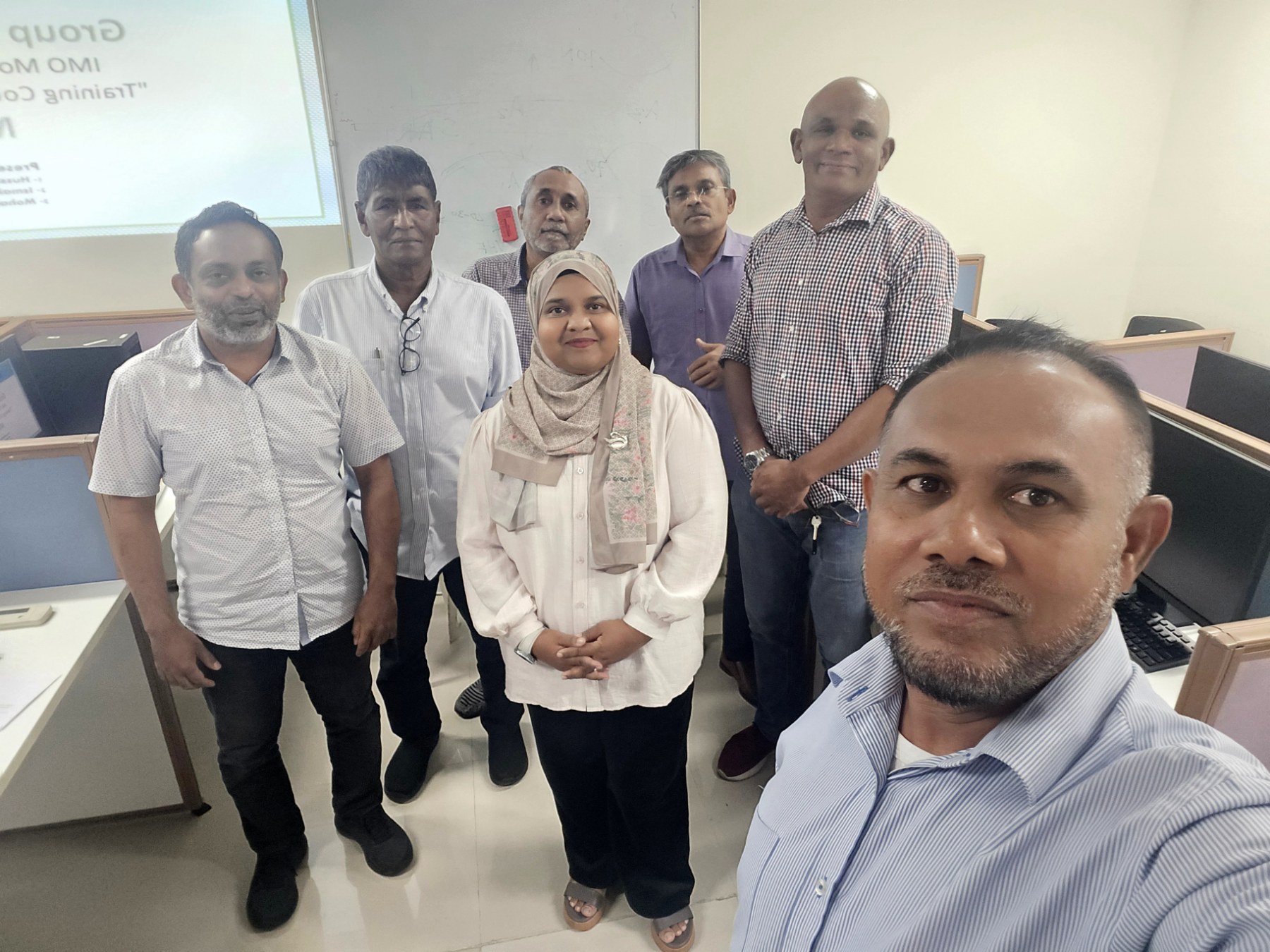
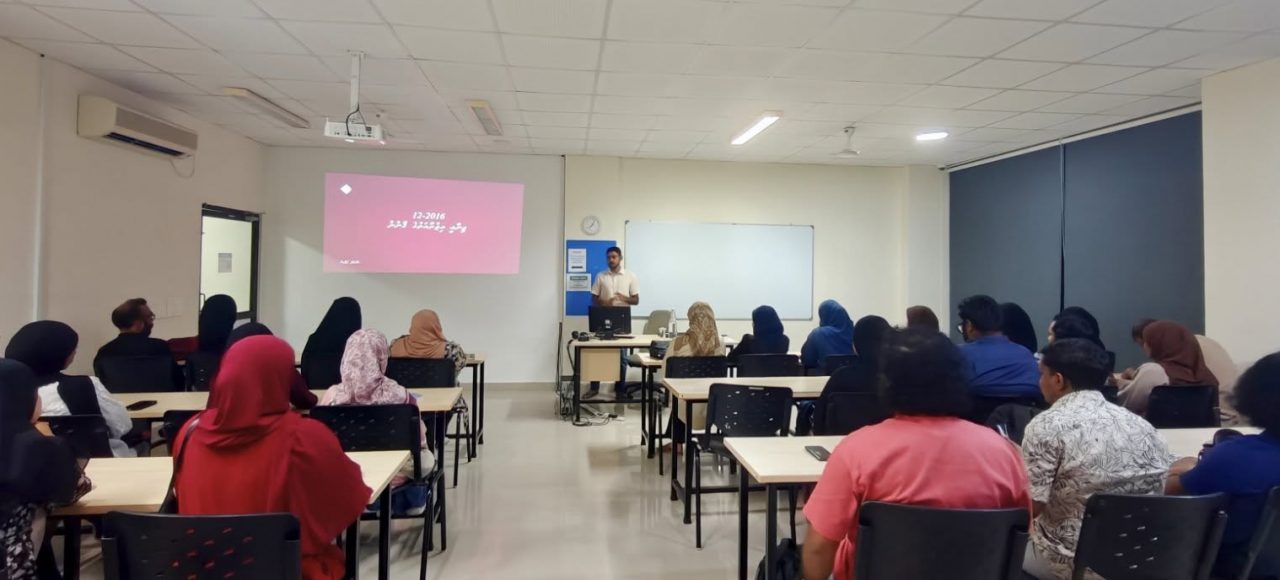
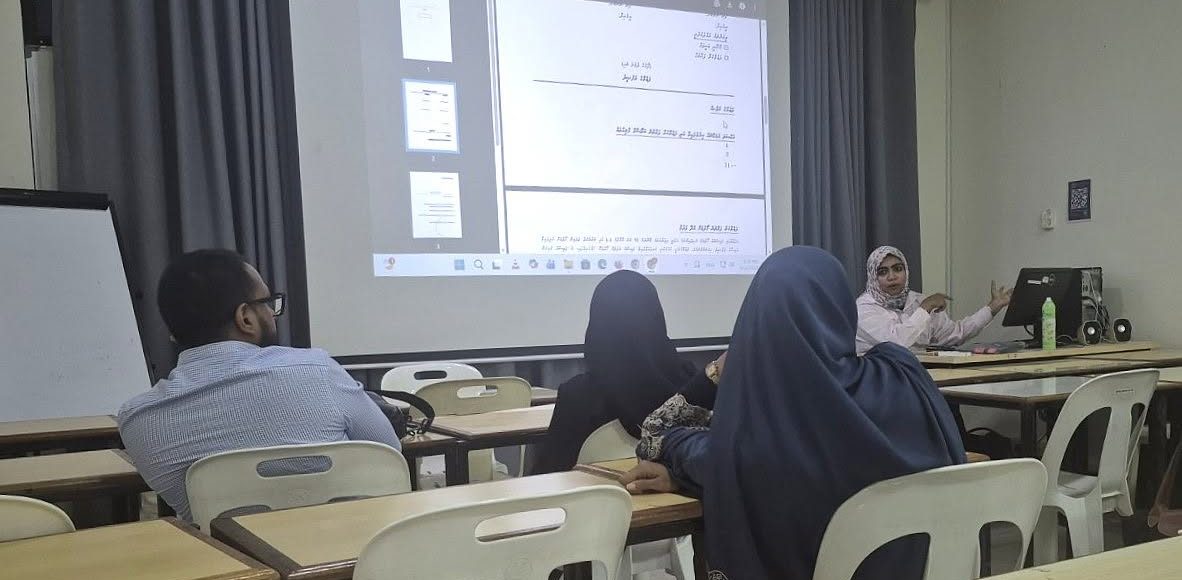
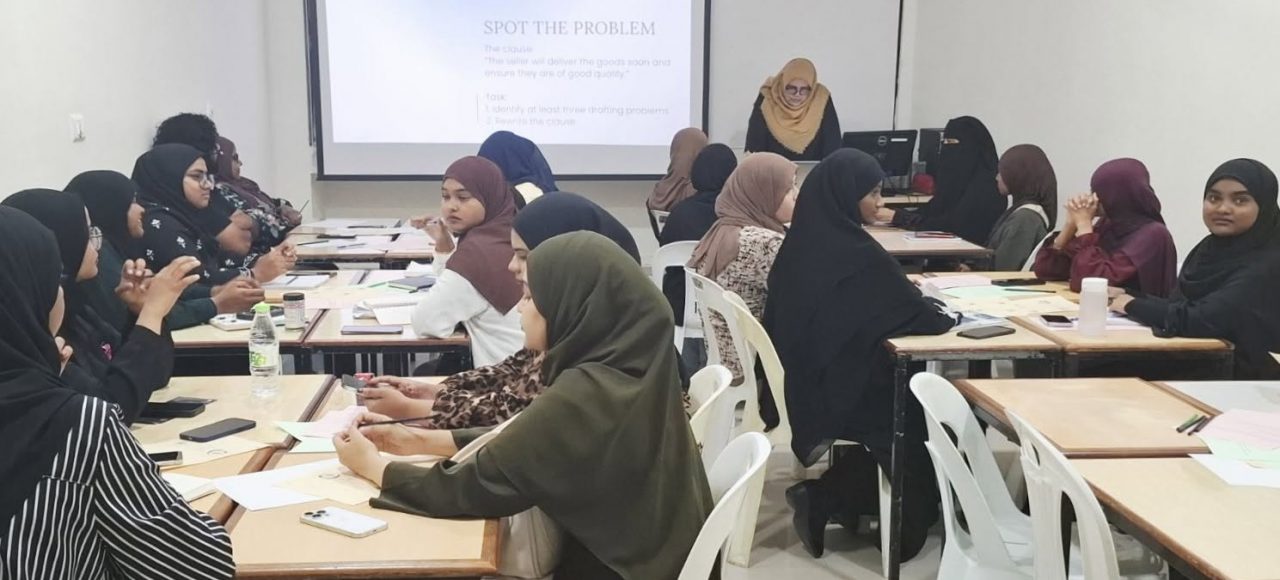
The Training Course for Instructors (IMO Model Course 6.09) Batch 1 was successfully completed in June 2025, marking an important milestone in strengthening maritime education and instructional capacity. The Training Course for Instructors (IMO Model Course 6.09) was developed by the Centre for Maritime Studies at Maldives National University and was offered for the first time in the Maldives in June 2025.
The course was delivered by Ms. Nasiha Muhaimin, The Head of Centre of Centre for Foundation Studies, The Maldives National University
This course is a mandatory requirement under the Standards of Training, Certification and Watchkeeping (STCW) Convention for maritime lecturers. Prior to its introduction, prospective maritime instructors were required to travel overseas to complete this certification.
The local delivery of this course has had a significant impact on the maritime community by improving access to essential professional training, reducing financial and logistical barriers, and supporting capacity building within the national maritime education sector. From a Sustainable Development Goals (SDG) perspective, the initiative contributes to SDG 4 (Quality Education) by enhancing access to accredited training, SDG 8 (Decent Work and Economic Growth) by strengthening the qualifications of maritime educators, and SDG 17 (Partnerships for the Goals) through institutional development and knowledge transfer within the maritime industry.The programme was designed to enhance the teaching and training competencies of maritime instructors, ensuring alignment with international standards set by the International Maritime Organization (IMO). Participants engaged in structured learning sessions focused on instructional techniques, training delivery methods, assessment strategies, and effective communication in maritime education settings. The course emphasized improving the quality of maritime training by equipping instructors with the skills required to deliver competency-based education and ensure consistent training outcomes. Through interactive workshops and practical exercises, participants demonstrated strong engagement and commitment to professional development. The successful completion of this course contributes to building a more qualified cadre of maritime educators, thereby strengthening institutional capacity and supporting the development of competent seafarers for the maritime industry.