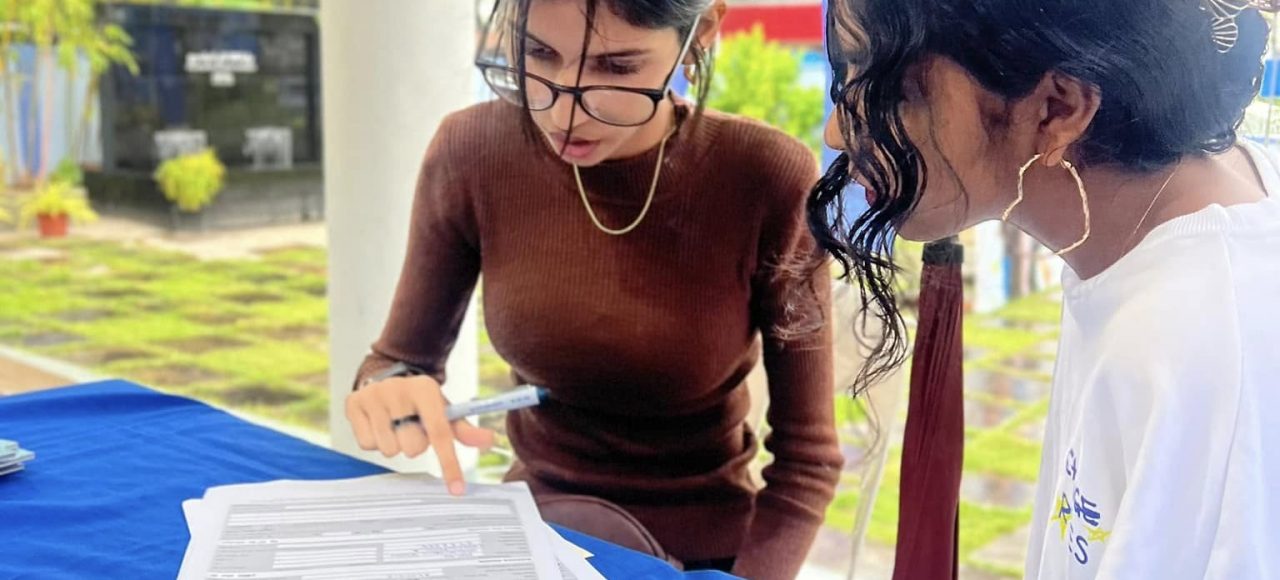
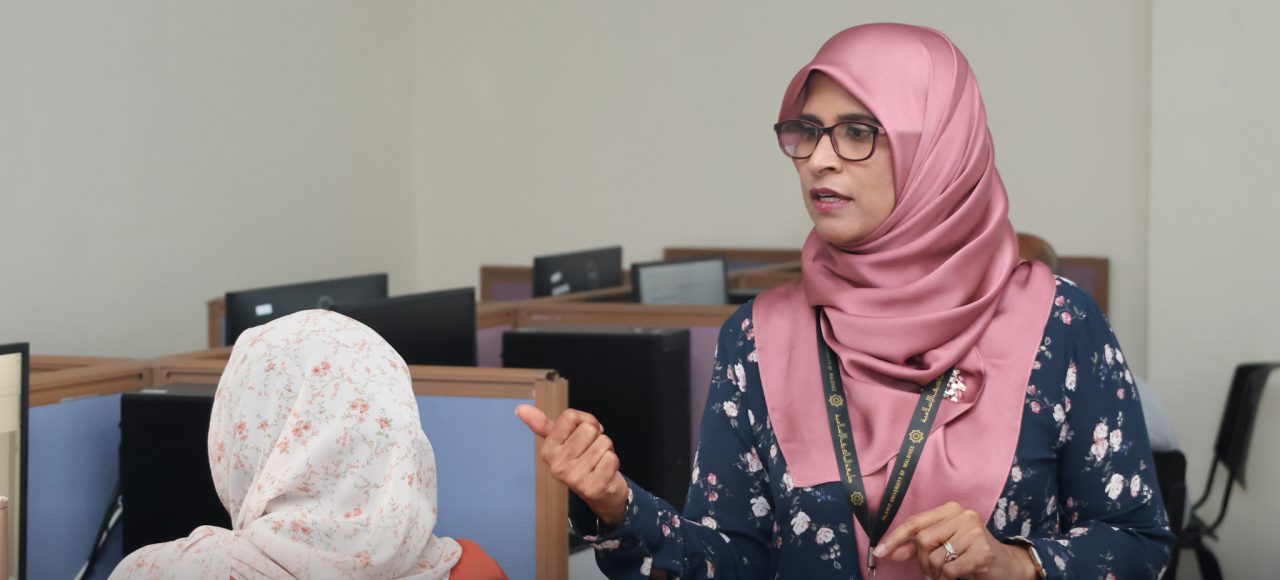
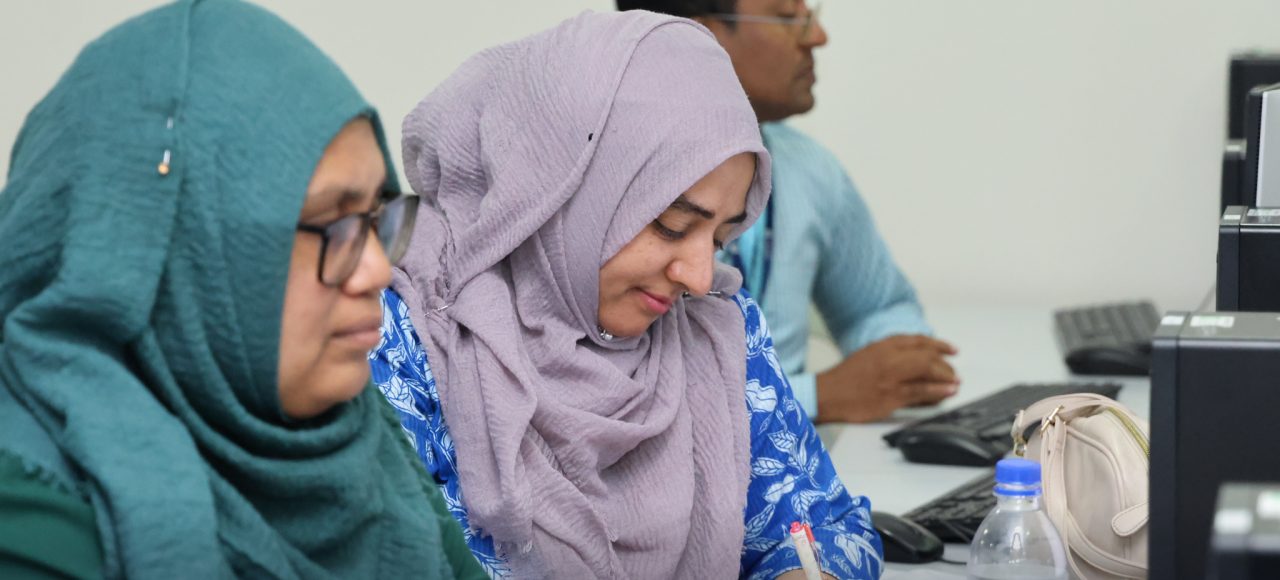
Students from the Bachelor of Arts in Political Science and International Relations (BAPIR) programme at The Maldives National University (MNU) participated in a simulation-based learning activity focused on the Palestine conflict. The activity provided students with an opportunity to examine a complex international issue through structured debate, negotiation, and diplomatic engagement.
The simulation encouraged students to consider the political, diplomatic, and humanitarian dimensions of the conflict, as well as the challenges involved in addressing international disputes. Through assigned roles and negotiation exercises, students explored different perspectives, competing interests, and the complexities of international decision-making.
The activity connected theoretical knowledge from political science and international relations with practical learning. Students engaged in structured dialogue, evaluated arguments, and considered how diplomatic processes can contribute to conflict resolution and peacebuilding. The exercise also highlighted the importance of understanding humanitarian concerns and the challenges of achieving consensus in international affairs.
Through participation in the simulation, students had opportunities to strengthen their critical thinking, analytical reasoning, communication, and negotiation skills. The activity encouraged them to engage thoughtfully with international issues, assess differing viewpoints, and consider the responsibilities of states and international actors in responding to conflict.
The initiative reflects the Faculty of Arts’ commitment to experiential learning that prepares students to understand complex global challenges and participate in informed discussions on international affairs. It contributed to SDG 4 (Quality Education) by providing practical, simulation-based learning; SDG 10 (Reduced Inequalities) by encouraging consideration of humanitarian concerns and the experiences of affected populations; SDG 16 (Peace, Justice and Strong Institutions) by exploring diplomacy, conflict resolution, and peaceful approaches to international disputes; and SDG 17 (Partnerships for the Goals) through its focus on negotiation and international cooperation as approaches to addressing global challenges.