Goal 13: Climate Action
Research for Climate Action

Advancing Climate Research, Innovation and Knowledge Dissemination

The Maldives National University plays an important role in advancing climate action through locally relevant research, interdisciplinary collaboration, international research partnerships, and the dissemination of scientific knowledge. Recognising the unique climate vulnerabilities of Small Island Developing States (SIDS), MNU undertakes research addressing climate resilience, environmental sustainability, disaster risk reduction, marine ecosystems, pollution, and the socio-economic impacts of climate change. These initiatives contribute to evidence-based policymaking and reporting, strengthen national research capacity, and support the Maldives’ climate adaptation and mitigation priorities.

Strategic Framework for Climate and Environmental Research

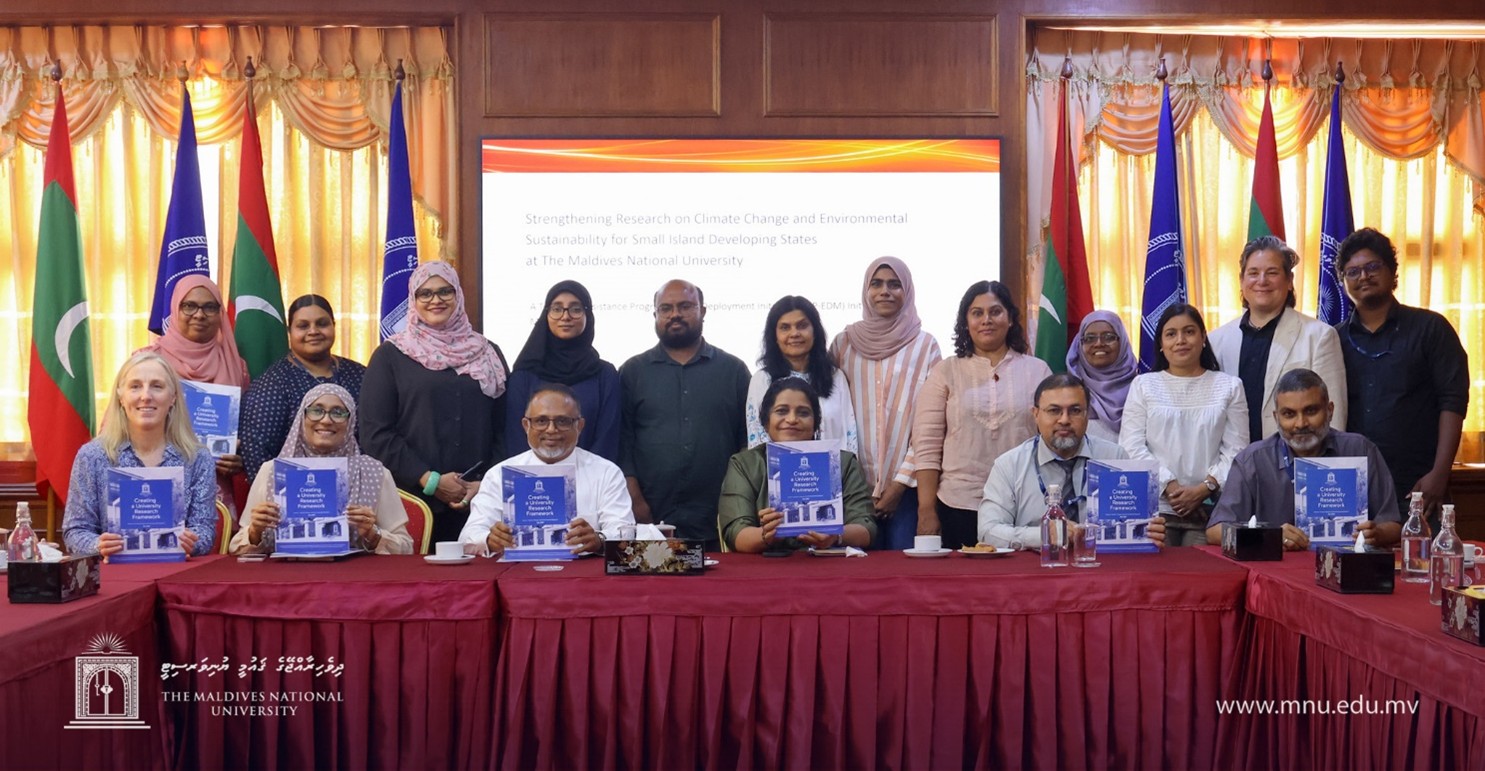
MNU has established the Climate and Environment Research Framework 2025–2030, which provides a strategic roadmap for strengthening climate and environmental research across the University. The Framework identifies priority research areas, strategic objectives, and opportunities for interdisciplinary collaboration, while promoting research that responds to national development challenges. It is aligned with the Maldives’ Third Nationally Determined Contribution (NDC, 2025) and relevant national policies, including the National Gender Equality Action Plan (2022–2026). Through this framework, MNU seeks to strengthen research capacity, generate locally relevant evidence, and promote innovative solutions that support climate resilience and sustainable development.

The framework was developed through the project Strengthening Research on Climate Change and Environmental Sustainability for Small Island Developing States, implemented in collaboration between the Maldives National University and the Ministry of Climate Change, Environment and Energy under the Canadian Technical Assistance Partnership – Expert Deployment Mechanism (TAP-EDM), delivered by Alinea International. The overarching objective of this initiative is to enhance the capacity of the Maldives National University to fund and undertake climate change and climate action research that supports healthy, climate resilient, adaptive, and environmentally sustainable Maldivian communities. The project contributes to climate action by strengthening institutional research capacity, promoting stakeholder engagement, and establishing strategic priorities for climate-related research and knowledge development.

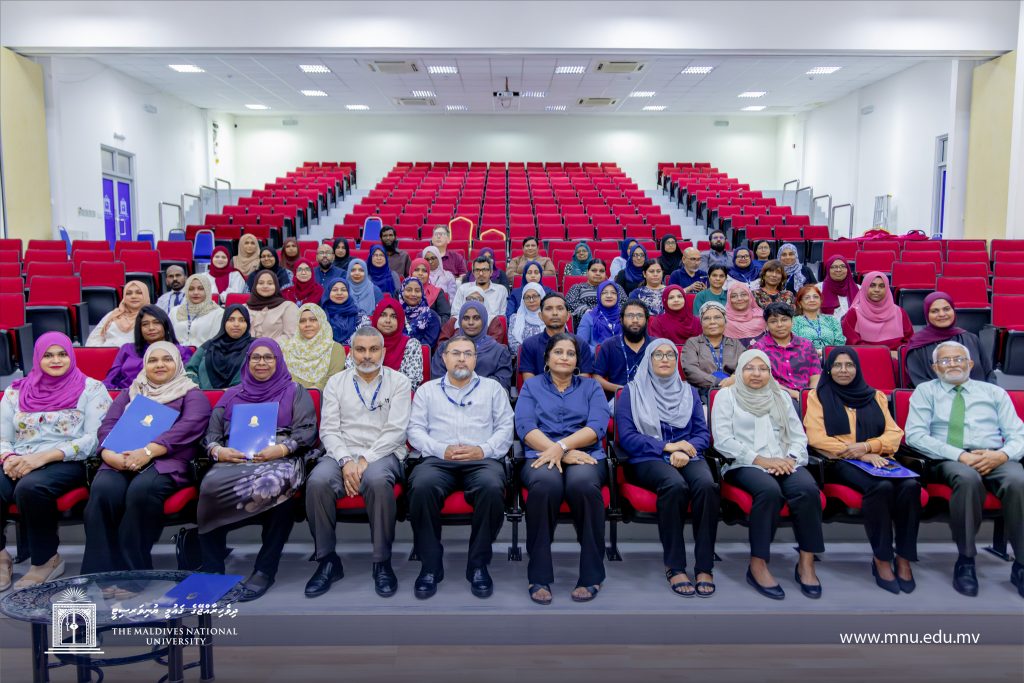
Beginning in October 2024, more than 50 individuals participated in consultative interviews and focus group discussions, including over 30 participants who engaged in collaborative workshops and meetings in February 2025 to identify research priorities and guiding principles. Between March and May 2025, the draft framework was progressively refined through validation sessions and internal reviews. The final MNU Climate and Environment Research Framework 2025–2030 was developed and officially launched in June 2025.

International Research Collaboration for Climate Action

MNU actively participates in international research consortia addressing climate change, environmental degradation, and sustainability challenges. Recent and currently ongoing key initiatives include the following:

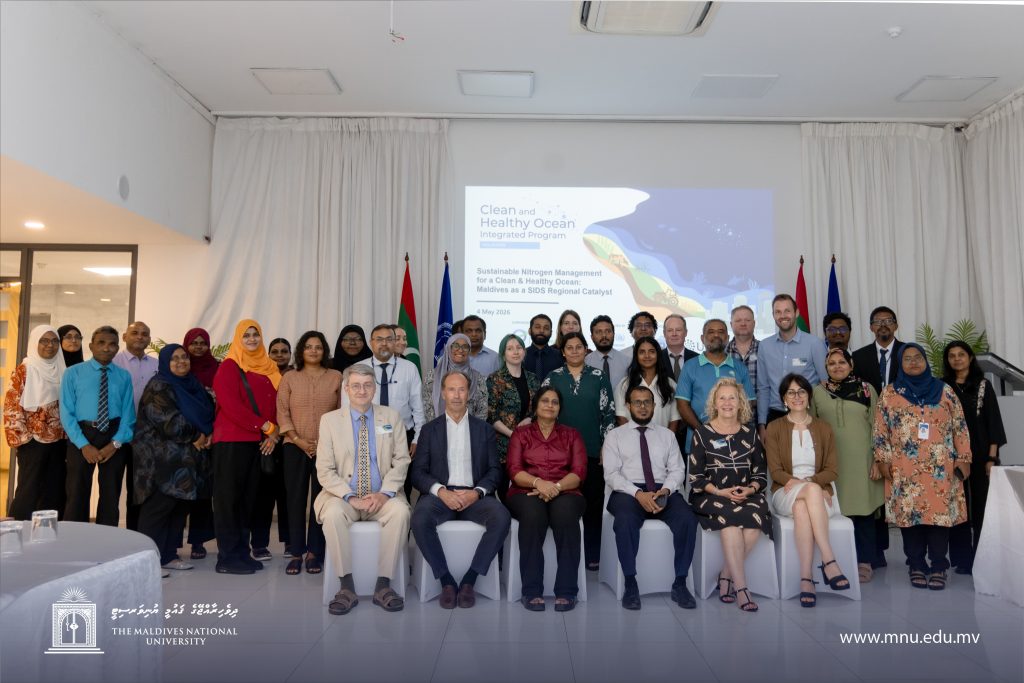
The Sustainable Nitrogen Management for a Clean and Healthy Oceans Maldives (CHOMV) Project (June 2025–July 2031) aims to address nutrient pollution in the Maldivian marine environment through the adoption of sustainable nitrogen management practices. The Maldives is recognised as a globally significant marine biodiversity hotspot, with its coral reef ecosystems facing increasing threats from climate change, particularly coral bleaching, and nutrient pollution. Degradation of the marine and coastal ecosystems can lead to social and economic impacts and can include loss of coastal water ecosystem quality (damage to coral reefs, changes in seagrass cover and condition), fish kills, air quality and climate change, all linked through nitrogen and nutrient pollution.These combined pressures threaten marine biodiversity and have significant implications for fisheries and tourism.The six-year project, funded by the Global Environment Facility (GEF) with a grant of USD 4.5 million under its Clean and Healthy Ocean Integrated Programme, is jointly executed by the Maldives National University (MNU) and the UK Centre for Ecology & Hydrology (UKCEH), in association with the United Nations Environment Programme (UNEP).The project’s inception workshop was held on 4 May 2026, followed by its official launch ceremony, officiated by the Honourable Minister for Climate Change, Environment and Energy of Maldives, Mr Ali Shareef.
The Regional Hub for Asia Climate Change and Health (REACH) project (October 2024–December 2028) is a collaborative research initiative implemented by Monash University Malaysia, Sunway Centre for Planetary Health, and the Maldives National University (MNU), with funding of CAD 4.5 million from the International Development Research Centre (IDRC) and the UK Foreign, Commonwealth & Development Office (FCDO). The project forming part of the Advancing Research for Climate and Health (ARCH) initiative aims to strengthen climate action by generating evidence on the health impacts of climate change, particularly among vulnerable populations across South and Southeast Asia. REACH focuses on improving climate and health data, strengthening research capacity, promoting climate and health literacy, and translating research findings into evidence-based policies and practices. Through research collaboration, community engagement, and knowledge sharing, the initiative supports the development of inclusive, climate-resilient health systems and strengthens regional capacity to respond to emerging climate-related health risks. To promote regional innovation, REACH launched a funding call in 2025, inviting researchers, institutions, organisations, and industry partners from 14 eligible countries across South and Southeast Asia to collaboratively develop scalable, community-driven solutions to climate-related health challenges.         
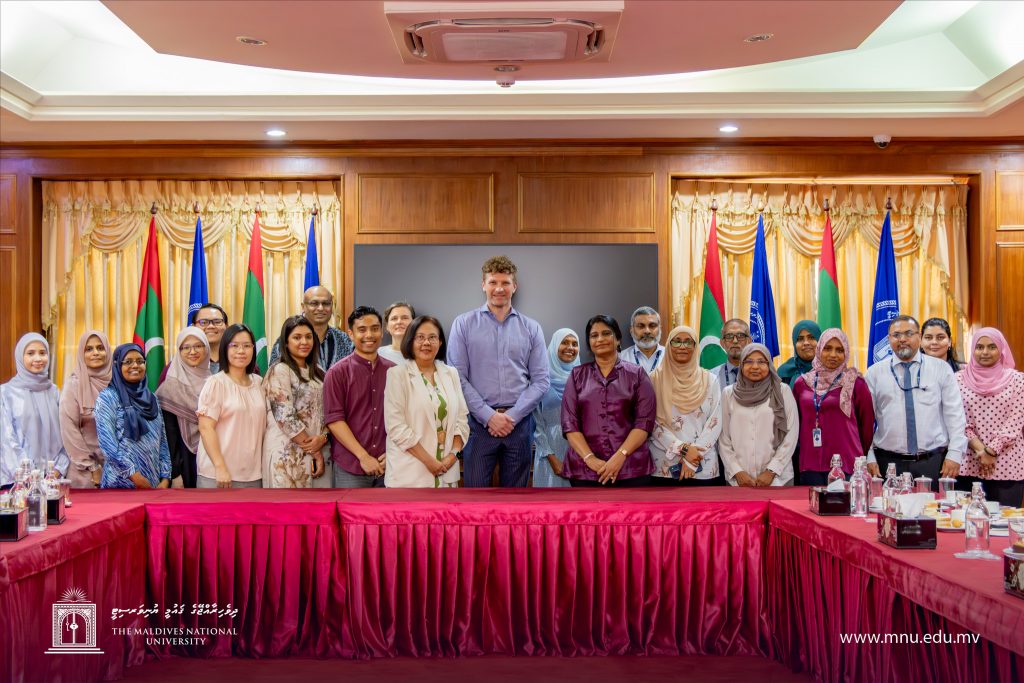


The Resilience to Climate Vulnerability and Environmental Risk (RECOVER): Focus on Small Islands project (June 2024–December 2026) is an international research initiative led by the University of Waterloo, Canada, in partnership with the Maldives National University (MNU), the University of Mauritius, and Sustainability for Seychelles. Funded through the Climate Adaptation and Resilience (CLARE) programme of IDRC Canada and the FCDO UK. With a grant of USD 1.2 million, the project aims to strengthen climate adaptation and resilience in SIDS through evidence-based research, circular economy approaches, and inclusive stakeholder engagement. RECOVER focuses on understanding socio-metabolic risks associated with resource use, developing climate-resilient and circular solutions for critical resources, including water, food, energy, and construction materials, and exploring nature-based solutions to enhance community wellbeing and resource efficiency. In the Maldives, key research activities include Hydro-Socio-Metabolic Risk (Hydro-SMR) analysis of Malé’s water system (1998–2024), groundwater quality assessments, and studies of water security and accessibility involving vulnerable communities through Real-World Labs (RWLs). Additional activities include rainfall trend and Intensity–Duration–Frequency (IDF) analysis (1993–2024), assessment of flooding risks, development of a Storm Water Management Model (SWMM), and research on household water use and biomass flows in food systems. The project also promotes social and environmental justice by engaging vulnerable and underrepresented groups in climate adaptation research and decision-making. To strengthen research capacity, RECOVER incorporates a mobility and peer-mentorship programme that facilitates knowledge exchange, collaborative learning, and skills development among researchers working on climate adaptation in SIDS. Through interdisciplinary research, regional knowledge exchange, and capacity building, RECOVER contributes to SDG 13 by generating evidence to inform climate adaptation planning, promoting resource-efficient and climate-resilient systems, and strengthening the capacity of small island communities to respond to climate-related risks.

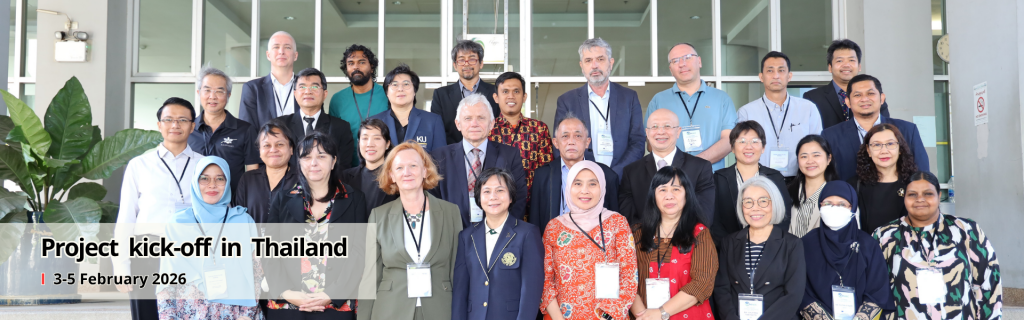
The Precision Agriculture and Sustainable Environment Curricula Modernisation Supporting Climate Changes Resilient Society (PASEC) project (2026–2028) is an Erasmus+ initiative led by the University of Zagreb, bringing together universities and partner institutions from Europe and Asia, including the Maldives National University (MNU). With a grant of EUR 799,703, the project aims to strengthen climate resilience and food security through the modernisation of higher education curricula and the promotion of precision agriculture and sustainable agricultural practices in the Maldives, Indonesia, and Thailand. Recognising the challenges posed by climate change, limited resources, and rapid technological advancements, PASEC focuses on strengthening the knowledge and technical skills of educators, students, researchers, farmers, and public and private sector stakeholders. Through the integration of digital technologies, Geographic Information Systems (GIS), remote sensing, and data-driven agricultural approaches into education and training, the project seeks to improve resource efficiency, agricultural productivity, and environmental sustainability. PASEC project contributes to Climate Action by strengthening climate change education, promoting research and capacity building in climate-smart agriculture, and supporting the adoption of innovative technologies to enhance agricultural resilience and food security.

Read more: PASEC Project Official Website
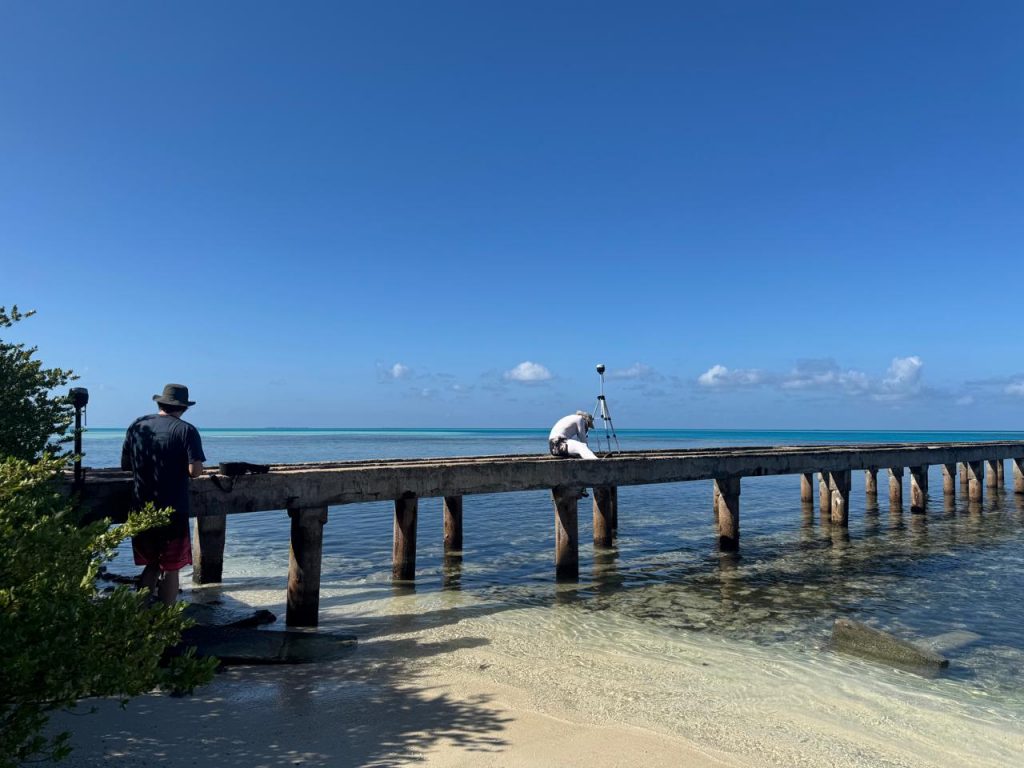
The AI Foundation Models for Sustainable Asset Management in Emerging Economies: The Benchmark Island Dataset – Pilot Phase project (December 2025 – August 2026) was a collaborative research initiative involving the Maldives National University, Imperial College London, and Google Inc. The project focused on developing a high-quality remote sensing dataset to support the application of artificial intelligence (AI) in monitoring environmental and infrastructure changes in small island environments. The pilot study was undertaken in Kudahuvadhoo, Dhaalu Atoll, where MNU collaborated with researchers from Imperial College London to design and implement a remote sensing data collection strategy. The project involved identifying critical island and offshore locations for monitoring changes in island morphology, coastal environments, and infrastructure over a six-month period. Key activities included two field campaigns involving drone-based surveys, high-precision Ground Control Points (GCPs), and radiometric calibration to generate reliable datasets for testing AI-based change detection algorithms. The project contributed to SDG 13 by strengthening research capacity in remote sensing, geospatial technologies, and AI-based environmental monitoring. The resulting datasets and monitoring approaches were intended to support climate-related risk assessment, coastal change detection, infrastructure vulnerability analysis, and evidence-based adaptation planning in the Maldives. Through international research collaboration and field-based technical training, the initiative also supported knowledge exchange and capacity building in emerging technologies relevant to climate resilience.
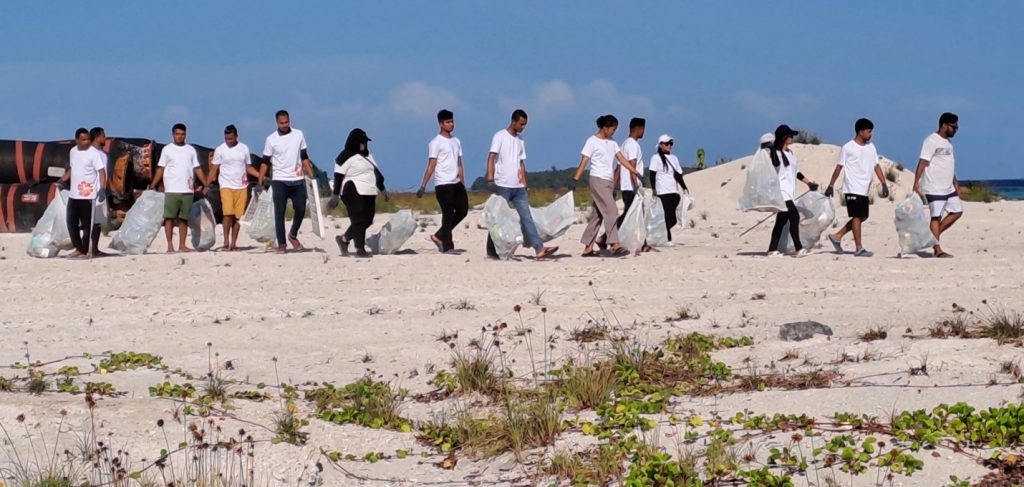
MNU has successfully completed several international research projects contributing to SDG 13 through climate change education, adaptation research, environmental monitoring, disaster risk reduction, and capacity building. Key initiatives include the EU-funded PROMISE Project (2020–2025), led by MNU, promoted sustainable waste management, circular economy practices, and marine litter prevention across the Maldives, Sri Lanka, and India, Erasmus+ CHILDRN Project (2021–2023), which strengthened climate change education, curriculum development, and institutional capacity, and the UN4DRR Project (2020–2023) focused on enhanced disaster risk reduction capabilities through geospatial technologies, training, and the establishment of a geospatial laboratory at MNU. Lakshadweep Zero-Waste Alliance (LOWA) was established under the PROMISE project and registered as an NGO in the Maldives to promote sustainable consumption and production, waste reduction, and a zero-waste future across coastal communities in the Maldives, Sri Lanka, and India.The UKRI GCRF South Asian Nitrogen Hub (SANH) (2019-2024) advanced research on nitrogen pollution and its environmental and climate implications, including the development of the Maldives Nitrogen Policy Report. Other initiatives include the collaborative project with Duke University on air quality monitoring (2020–2025) “Building Capacity to Improve Air Quality in South Asia: Reducing PM2.5 Through Low-Cost Sensor Network Driven Policy Decisions” and University of Plymouth-led research on the physical impacts of sea-level rise on atoll islands. These projects demonstrate MNU’s experience in implementing international research collaborations, generating scientific evidence, strengthening institutional capacity, and supporting climate adaptation and environmental sustainability. MNU continues to build on these achievements through ongoing research.

MNU Research Grants Supporting Climate Action and Environmental Sustainability

 The Maldives National University (MNU) has provided research grants since 2014 to strengthen its research culture, promote academic research, and support studies addressing national development priorities. Through its University Research Grants programme, MNU provides financial support for research contributing to national priority areas and SDGs including research on climate action and environmental sustainability.

University Research Grants 2025

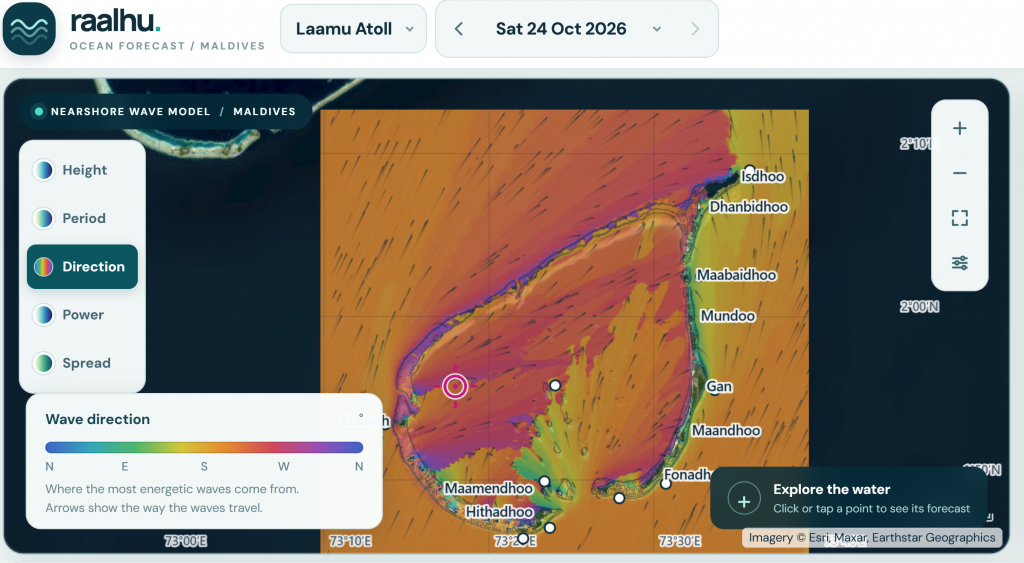
In 2025, MNU supported research projects addressing climate resilience, sustainable agriculture, and environmental monitoring. These included Estimating Ocean Wave Heights Using Atmospheric Model Forcing and Buoy Observations at Dhaalu Atoll, Maldives – Towards an Island-Scale Wave Forecasting Model, led by Dr Shuaib Rasheed, which aims to improve understanding of ocean wave conditions and strengthen coastal monitoring and climate-related risk assessment. Another project, Evaluating the Effectiveness of Area-Wide Integrated Pest Management (IPM) for Melon Fly Containment in HA. Kelaa, Maldives, led by Dr Nadhiya Abdulla, focuses on sustainable pest management practices to support agricultural productivity, environmental sustainability, and food security.

Raalhu

Link to portal: The Maldives Experimental Wave Forecast System

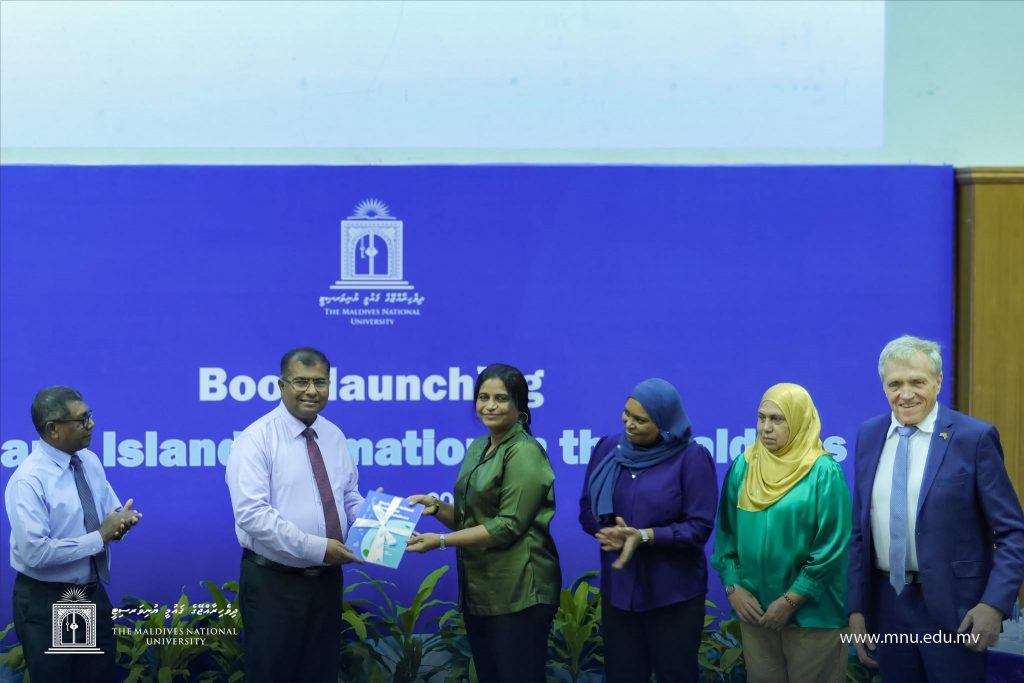
Under the University Book Writing Grants 2025, MNU also supported Pathways to Emission-Free Mobility: Designing Sustainable Urban Transport for Resilient Cities, authored by Ahmed Fariz Nizar. The publication focuses on sustainable urban transport, electric mobility, and low-carbon development, contributing to knowledge dissemination on emissions reduction and climate-resilient urban systems. In addition, Book Writing Grants also supported the development of the book Atoll and Island Formation in the Maldives, authored by Mohamed Didi, Dr Andre Droxler, Dr Aminath Shiyama and Dr Fathimath Shafeeqa. The book launched in September 2025 provides teachers and students with an understanding of the geological, ecological and environmental processes that shape the Maldives’ islands and atolls. Featuring classroom activities and detailed teacher notes, the publication serves as an educational resource to strengthen environmental literacy and understanding of island dynamics.

University Research Grants 2026

In 2026, MNU continued to support research and educational initiatives addressing environmental sustainability, biodiversity conservation, and climate change awareness. Funded projects included Exploring Diversity, Richness and Functional Roles of Terrestrial Invertebrates Across Contrasting Island Ecosystems of the Maldives, led by Dr Faruhana Abdulla. The study focuses on terrestrial biodiversity, ecosystem health, and ecological monitoring, generating knowledge relevant to habitat conservation, ecosystem management, and climate resilience. Another funded initiative, the Education for Sustainable Development and Global Citizenship (ESDGC) for Primary Schools Teacher Resource Book, led by primary author Fathimath Nasiha Abdul Muhaimin, aims to strengthen sustainability education and teacher capacity. The resource also addresses environmental awareness, climate action, biodiversity conservation, supporting the integration of sustainability concepts into primary education.

In addition, 11 MNU research projects received National Research Fund: Emerging Research Grants (NRF-ERG) in June 2026. Among these were Smart Farming in the Maldives: An AI-Based Approach to Strengthen Agricultural Productivity and Economic Diversification, led by Ibrahim Adam, and Analysis of Household Electricity Consumption for Cooling in Malé Region, led by Aminath Shazly. These projects explore technological innovation in agriculture and household energy consumption, with potential applications in climate-smart agriculture, energy efficiency, and emissions reduction.

Through its University Research Grants, University Book Writing Grants, and participation in nationally funded research programmes, MNU demonstrates its commitment to strengthening research capacity and supporting locally relevant solutions to climate change and environmental challenges. These initiatives contribute particularly to SDG Target 13 by generating knowledge that can inform climate adaptation planning, sustainable resource management, and low-carbon development.

Read more:

Open-Access Research and Knowledge Dissemination Supporting Climate Action

The Maldives National University (MNU) promotes research dissemination and knowledge exchange through open-access publications, academic conferences, research forums, and public engagement activities. The Maldives National Journal of Research (MNJR) and the Maldives Journal of Engineering Technology (MJET) provide important open access platforms for publishing research on climate change, environmental sustainability, and related development challenges. Climate and environment research data are actively peer-reviewed and published locally via MNJR (e.g., Volume 13, Issue 2 and MJET, ensuring that data remains highly accessible.MNU also facilitates research dissemination through its annual Theveli International Conference and the International Conference on Engineering, Science and Technology (ICEST), which feature themes related to climate change, environmental sustainability, and resilience. The University further supports academic staff through conference funding to present research findings at international conferences. Regular knowledge-sharing platforms include the Ilmee Foavahi Academic Forum, an academic discussion forum open to the public and the Lunchtime Talk Series, platform for researchers and academic staff to share research findings, experiences and emerging areas of scholarship with the wider university community. Below are examples of relevant research dissemination activities.

Theveli International Conference 2026 -Special Theme on Metabolism of Islands and Climate Adaptation

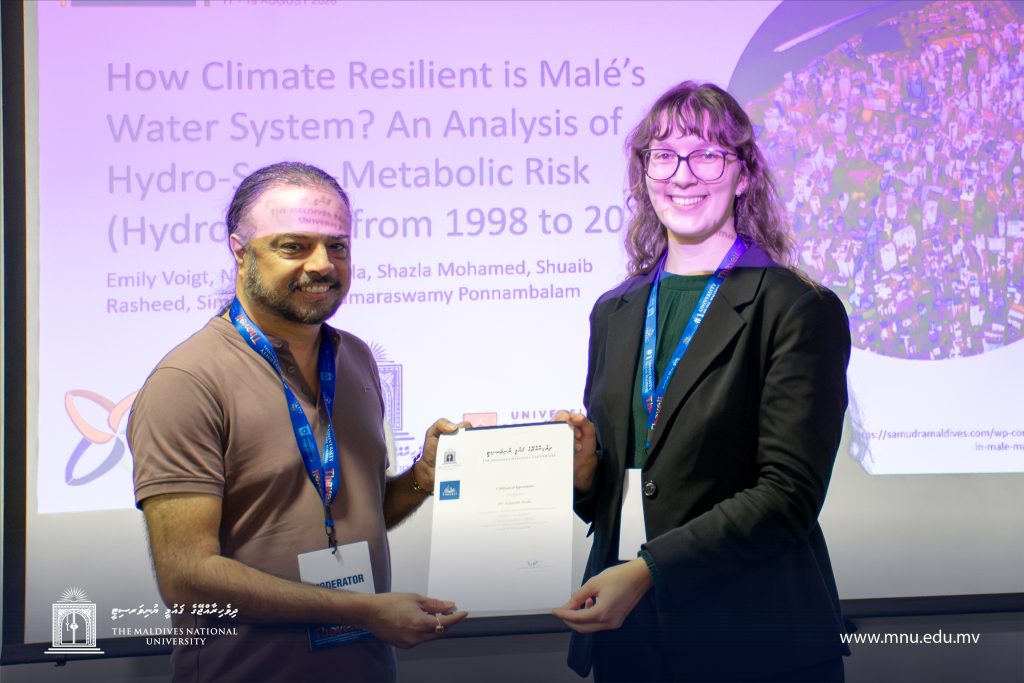
The Theveli International Conference 2026 held from 17–19 August 2026 at the Maldives National University (MNU), featured a special theme titled “Metabolism of Islands – Advancing an Island Circular Economy for Climate Adaptation in SIDS.” Organised in collaboration with the Islands Section of the International Society for Industrial Ecology, the special theme was closely aligned with the objectives of the RECOVER project and focused on advancing systems-based approaches and circular economy solutions to strengthen climate adaptation and resilience in Small Island Developing States (SIDS).

The special theme moderated by Professor Simron Singh from University of Waterloo featured research presentations by researchers, and graduate students, including members of the RECOVER project team. Topics covered included hydro-socio-metabolic risks and the climate resilience of Malé’s water system, groundwater quality degradation and water security, rainfall trends and Intensity–Duration–Frequency (IDF) analysis, and water accessibility among vulnerable communities. Other presentations explored material stock and flow dynamics, food system resilience to external shocks, energy security, circular economy transitions, and sustainable infrastructure planning. The sessions also addressed nature-based solutions and passive design, territorial planning, climate resilience of transport systems, and adaptation to sea-level rise and extreme climate events, drawing on case studies from the Maldives, Mauritius, Fiji, and Hawai‘i.

The special theme provided an international platform for sharing research findings, exchanging knowledge, and exploring innovative approaches to resource security, circular economy transitions, and climate adaptation in island communities. Through this initiative, MNU contributed to Climate Action by promoting interdisciplinary climate research, strengthening international academic collaboration, supporting researcher capacity building, and advancing evidence-based approaches to climate resilience in SIDS.

MNU Hosts Conference on Climate-Resilient Agriculture for Food Security in the Maldives (3–4 February 2025) 

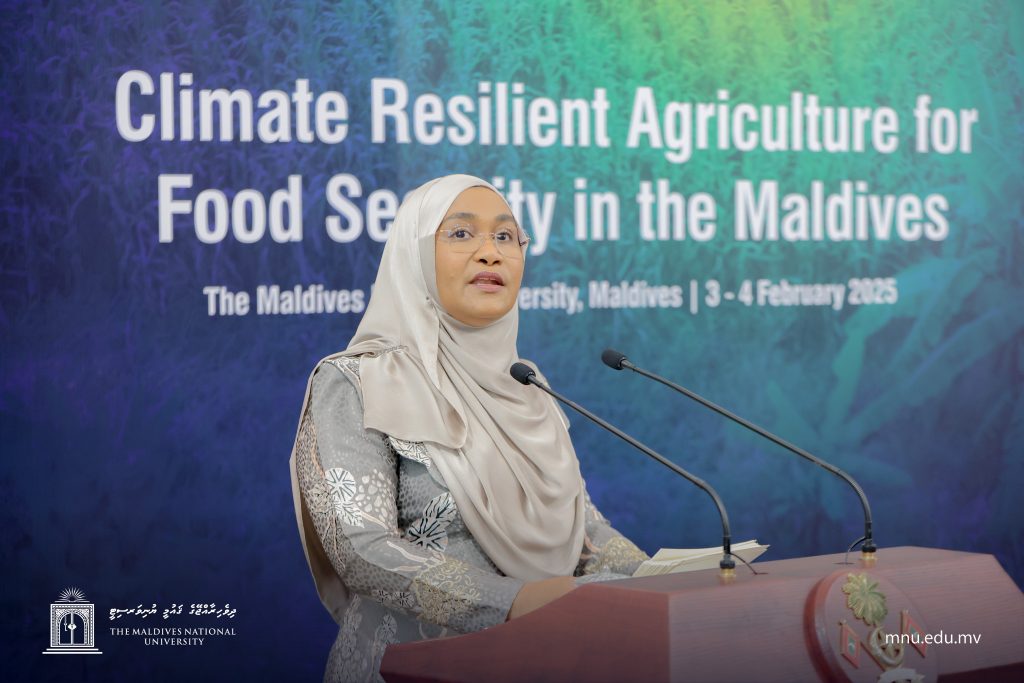
The Maldives National University (MNU) hosted the Climate-Resilient Agriculture for Food Security in the Maldives Conference on 3–4 February 2025 at the MNU Central Administration. The conference was inaugurated by the First Lady of the Maldives, Madam Saajidha Mohamed, and brought together national and international experts in agriculture, food security, and climate change to address the growing challenges facing agricultural systems in the Maldives.

The conference focused on assessing the vulnerability of agricultural production and food security to climate change and external shocks, while identifying strategies to strengthen resilience through climate-smart agricultural practices. Key areas of discussion included innovative approaches to soil, water, and crop management, sustainable agricultural technologies, and opportunities to strengthen food security through resource-efficient production systems. The conference also emphasised international collaboration, knowledge sharing, and investment in sustainable agricultural infrastructure, including aquaculture and marine fisheries.

The conference provided a platform for researchers, policymakers, industry representatives, and other stakeholders to exchange knowledge and explore practical approaches to climate-resilient agriculture. Through this initiative, MNU contributed to SDG 13 by promoting climate change awareness, strengthening knowledge exchange and capacity building, and supporting the development of climate adaptation strategies to enhance agricultural resilience and food security in the Maldives.

The Lunchtime Talk Series, organised by the Research Development Office, provides a platform for MNU researchers and academic staff to share research findings, experiences and emerging areas of scholarship with the wider university community.  Some of the talks addressing climate action and related environmental challenges are highlighted below.

Lunchtime Talk Series 2026

  • Our Earth, Our Futures: Integrating Sustainable Development and Global Citizenship in Primary Education – 14 April 2026, presented by Dr Aminath Shiyama.
  • Impact of Urbanisation on Groundwater Quality in Malé City: Sociametabolic Risks and Vulnearbilities – 12 May 2026, presented by Dr Shazla Mohamed and Mohamed Azhan Fawaz Shareef.

Lunchtime Talk Series 2025

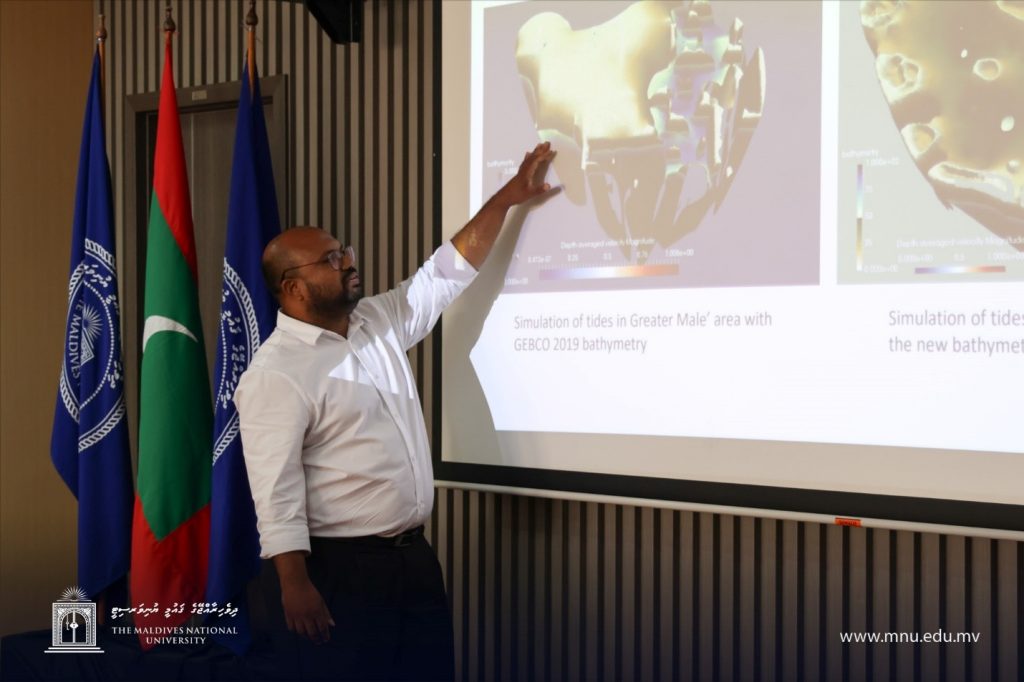
  • A New Bathymetric Chart for the Maldives Archipelago – 29 April 2025, presented by Dr Shuaib Rasheed.
  • Nearshore Tsunami Amplitudes across the Maldives Archipelago due to Worst-Case Seismic Scenarios in the Indian Ocean – 30 September 2025, presented by Dr Shuaib Rasheed.
  • Living with Rising Seas – 14 October 2025, presented by Ahmed Aslam Waheed.

Ilmee Foavahi Academic Forum, organised by the Research Development Office and open to the public, provides a platform for disseminating research findings, sharing knowledge and discussing issues of national relevance. The forum promotes public engagement, knowledge exchange and dialogue on emerging challenges and priorities. Some of the sessions addressing climate action and environmental sustainability are highlighted below.

Ilmee Foavahi 2026: Academic Forum

  • The series began on 12 February with “IMO Greenhouse Gas Strategy: The Impact on the Shipping Industry of Maldives,” led by the Centre for Maritime Studies and attended by 60 participants. The session examined greenhouse gas emissions, emissions reduction, and climate targets for the maritime sector.
  • Environmental stewardship returned on 21 May with “Let Us Not Lose Our Mangroves,” delivered by the College of Fisheries and Ocean Sciences and the Faculty of Engineering, Science and Technology, with 150 participants. The session highlighted the importance of mangrove conservation, climate resilience, environmental awareness and sustainable management of mangrove resources.

Ilmee Fovahi 2025: Academic Forum

  • The Faculty of Hospitality and Tourism Studies hosted a session on 29th May titled “Perception Towards Adoption of Green Vehicles for Last-Mile Delivery: An Exploratory Study on Greater Malé Area, Maldives”. The research presentation addressed affordable and clean energy, low-carbon energy, and sustainable cities and communities. One hundred and fifty participants attended.

MNU has contributed to SDG 13 by generating scientific evidence, strengthening research capacity, and informing climate-related policy in the Maldives and other SIDS. The University actively participates in several international collaborative research projects addressing climate change adaptation, resilience, environmental sustainability, and low-carbon development, building on its experience in completed research initiatives. University Research Grants and National Research Grants have further supported climate-related studies, while MNU researchers have contributed to scientific knowledge through peer-reviewed and Scopus Indexed publications.

MNU also released environmental and climate related datasets and monitoring tools, including rainfall Intensity–Duration–Frequency (IDF) analysis for Malé, air quality data and an experimental wave forecasting system. Research findings have also contributed to national policy development, including the Maldives Nitrogen Policy Report and air-quality policy decisions. MNU’s Climate and Environment Research Framework aligns with the Maldives’ Third Nationally Determined Contribution (NDC), supporting national climate priorities. MNU promoted research for climate action through conferences, research forums, and public engagement activities, strengthening knowledge exchange, collaboration, and evidence-informed climate policy. Over 360 participants attended MNU’s climate-related forums, with women representing more than 50%, supporting inclusive participation in line with the National Gender Equality Action Plan.

Explore all 17 goals