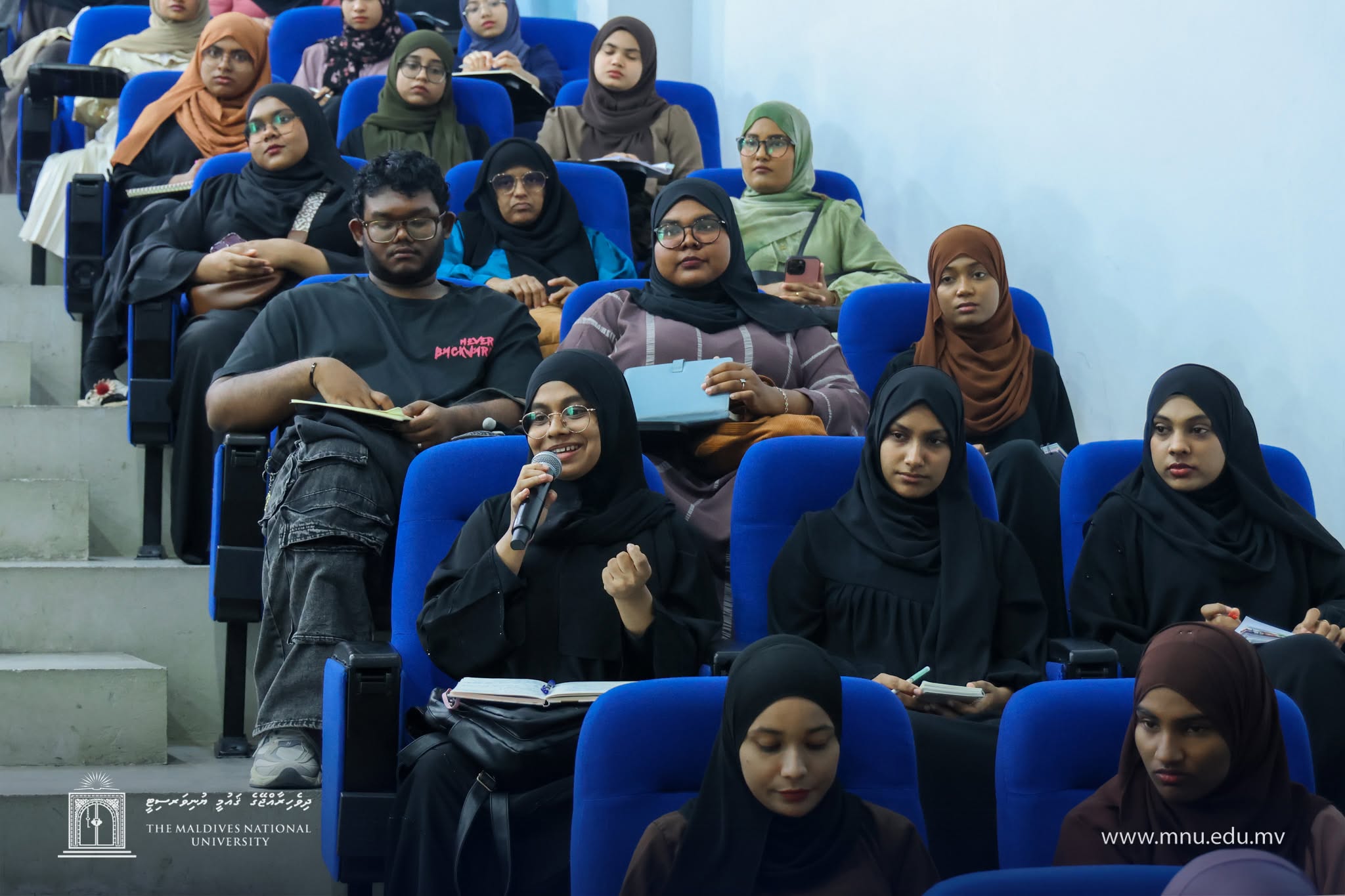
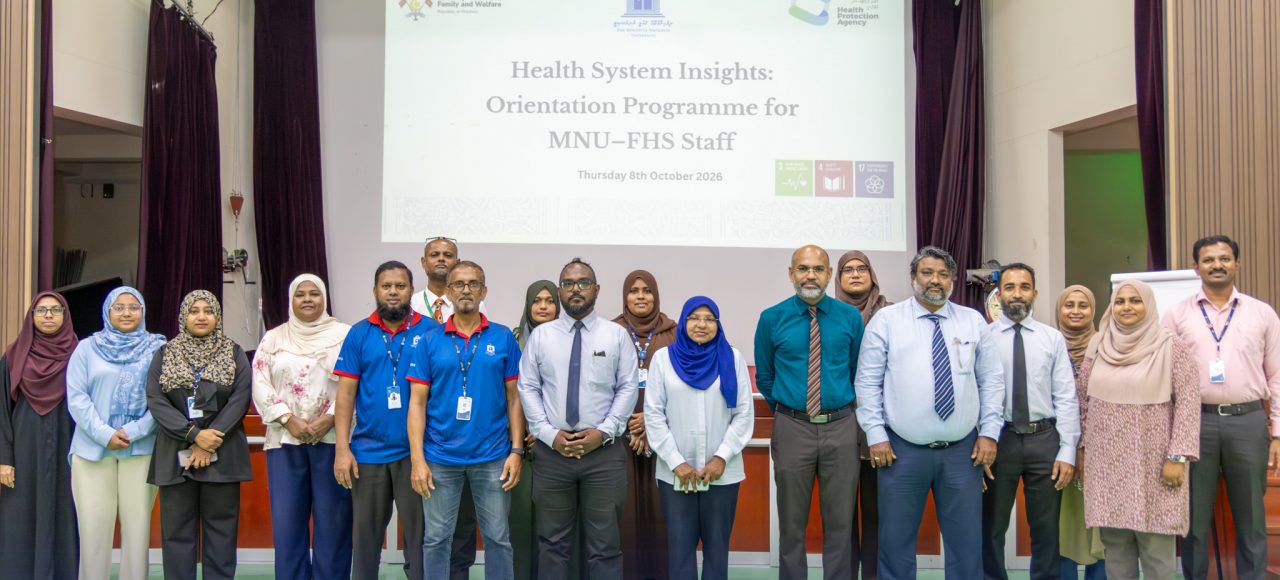
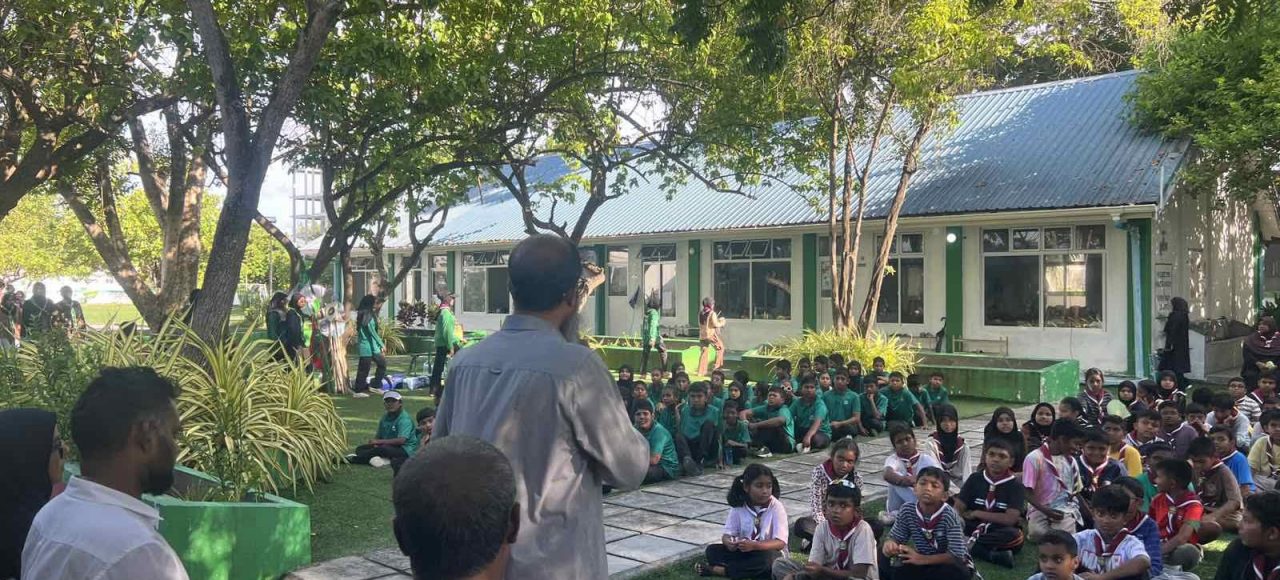
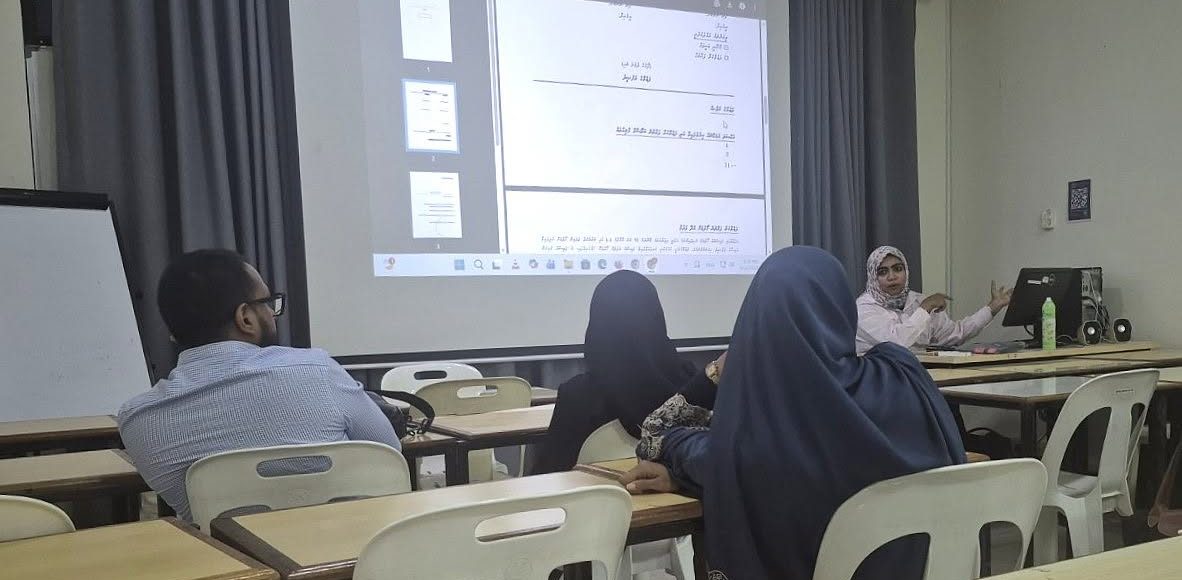
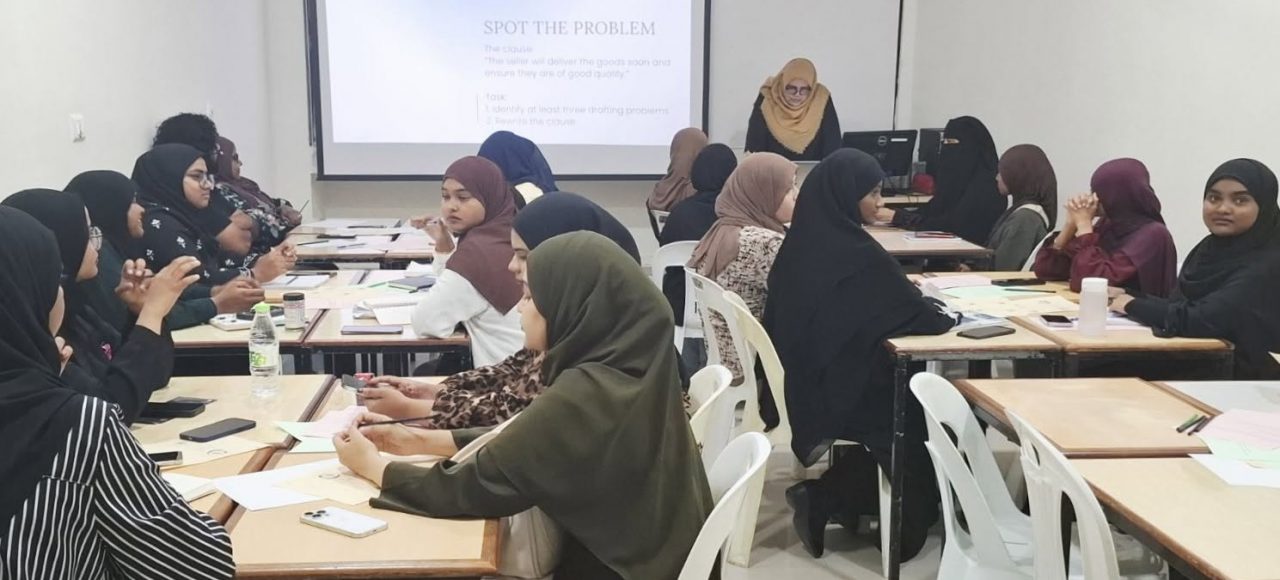
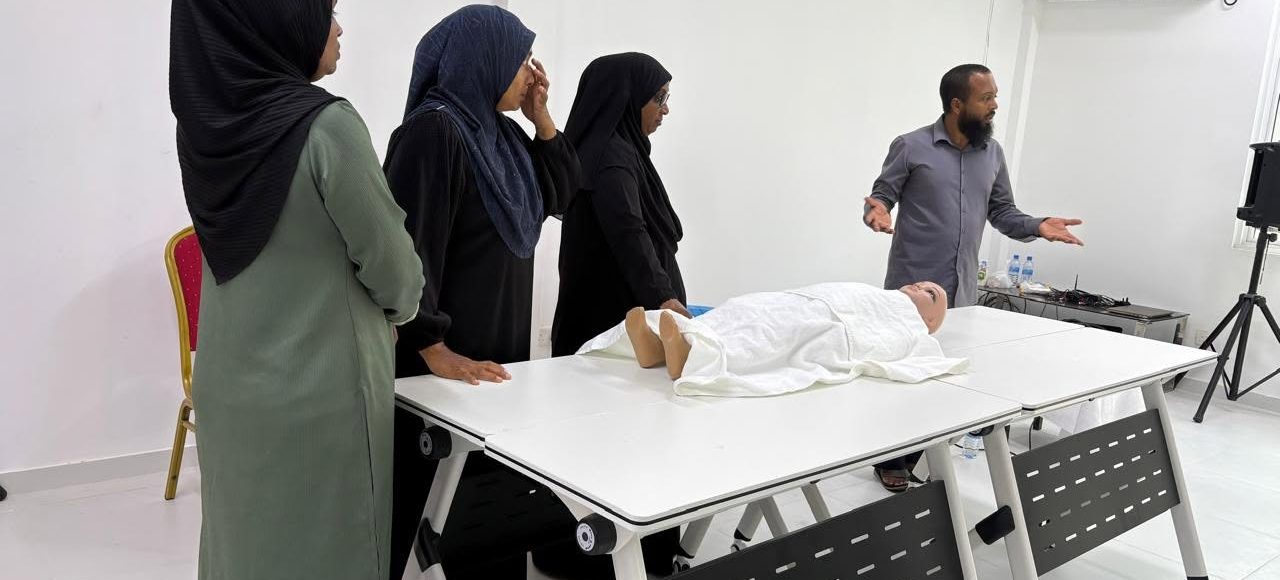
The Ilmee Foavahi series opened on 20th February with “Promoting Reading”, led by the Faculty of Arts. The session provided research-informed strategies to encourage reading habits across all ages, reinforcing quality education and lifelong learning within the community. One hundred participants from the public and the MNU community attended. On 6th March, the Faculty of Sharia and Law hosted “Getting Ready for Ramazan”, offering scholarly guidance on spiritual and practical preparation for the holy month. The session highlighted good health and well-being and health information and education, drawing 150 attendees. The Centre for Maritime Studies led a session on 17th April titled “Empowering Women in Maritime Industry”, focusing on gender equality, women in leadership, and women’s progress in a traditionally male-dominated sector. The academic session also underscored the importance of life below water and conservation and sustainable utilization of marine resources. Eighty participants attended. On 15th May, the School of Nursing presented “Digital Technology and Association with Non-Communicable Diseases”, examining the intersection of technology and community health. The session provided health information and education on how digital tools influence the prevention and management of non-communicable diseases, reaching 150 participants. The Faculty of Hospitality and Tourism Studies hosted a session on 29th May titled “Perception Towards Adoption of Green Vehicles for Last-Mile Delivery: An Exploratory Study on Greater Malé Area, Maldives”. The research presentation addressed affordable and clean energy, low-carbon energy, and sustainable cities and communities, while also touching on health research and industry and innovation. One hundred and fifty participants attended. On 19th June, MNU Business School led an interactive academic session on “Data Driven Decisions”, emphasizing the role of data in evidence-based policy, research and innovation, and quality education. The session, attended by 200 participants, the largest audience of the year, highlighted the importance of partnerships for the goals and SDG data gathering in organizational and community decision-making. The Faculty of Health Sciences hosted “One Team, Many Voices – Advancing Interprofessional Learning and Collaboration for Better Practice and Health Outcomes” on 28th August. The session promoted good health and well-being, health services, and healthcare access through interdisciplinary collaboration, reaching 150 participants. On 11th September, the School of Medicine presented “Providing Information and Increasing Community Awareness on Dementia and Alzheimer’s Disease”. The session offered health information and education and mental health support awareness, with 150 attendees from the community and MNU. The Faculty of Engineering, Science and Technology led “Cyber Security: Everyday Life” on 25th September, addressing the growing need for digital safety. The academic session aligned with peace and justice, strong institutions, and quality education, providing practical guidance on protecting personal and institutional data. One hundred participants attended. The series concluded on 16th October with the Faculty of Education’s session, “Digital Wellbeing: How Important is it for Children’s Upbringing”. The session explored good health and well-being, quality education, industry and innovation, and responsible consumption and production, focusing on healthy digital habits for children. One hundred and fifty participants attended.