MNU Book Fair 2025
The fifth MNU Book Fair ran from 11 to 13 September 2025. It brought together readers, local authors, publishers, booksellers, students, staff and the wider community to celebrate reading and Maldivian literature. More than 33 authors and publishers had stalls where visitors could browse and buy locally produced books and educational resources, and over 2,000 community visitors attended. The fair gave Maldivian authors a platform to present their work and connect with readers. It also supported local publishers and booksellers and encouraged reading habits among students and the public. Visitors and vendors praised the event as a valuable platform for local literature and a well-organised community gathering.
News story · Facebook · MNU Book Fair
Library Book Donation Week 2025
MNU Library ran Book Donation Week from 27 August to 3 September 2025 with the MNU Student Union. Staff, students, alumni and members of the community were invited to donate books that others could use. Collection points were set up at libraries in Malé and on the Kulhudhuffushi, Thinadhoo and Hithadhoo campuses. The University accepted academic books, research publications, theses, and Dhivehi and English storybooks. At Hithadhoo Campus alone, about 100 donors and community members took part. The campaign extended access to educational and recreational reading for people who may have few books of their own. It also showed that one book can serve many readers.
Library Launches Book Donation Week · Kulhudhuffushi Campus · Hithadhoo Campus
Saruna Digital Repository Upgrade
In October 2025, MNU Library and IT upgraded Saruna, the University’s open-access digital repository, to the latest version of the DSpace platform. Saruna holds research publications, theses, e-books, multimedia resources and local literature. The public can use it free of charge online. The upgrade added better search and navigation and a redesigned interface, and publication covers now appear on screen to make resources easier to find. During the year, the Library introduced Saruna to 2,098 MNU students, around 150 school children and about 80 visitors. The repository supports open access, makes MNU research more visible and preserves Maldivian knowledge in digital form for the long term.
Saruna
Dhivehi Children’s Storybook Translation Project
In December 2025, MNU Library began a project to translate 100 children’s storybooks into Dhivehi, with support from UNICEF and technical support from The Asia Foundation. The translations will be free to read online through the Let’s Read platform. Children, families, schools and libraries across the Maldives will be able to use them, including those with limited access to printed books. The project involves 100 translators, 10 editors and a 10-member coordination committee. So far, 1,000 students have been introduced to Let’s Read, and the Library has held online meetings with atoll and island councils and schools. A deputy principal at Maalhos School said the stories are already used in school libraries and that more translations are needed.
Assistance form UNICEF to Translate 100 children story books to Dhivehi
Training for Island Librarians in Baa Atoll
On 29 and 30 January 2025, MNU’s Faculty of Arts ran a training programme on library technical services, at the request of the Baa Atoll Education Centre. The Faculty worked with the Maldives Library Association and Reading Room. Ten librarians from six islands in Baa Atoll learned practical skills in acquisition, cataloguing, classification and integrated library systems, and 15 school teachers also took part. Holding the training in the atoll removed travel barriers that often keep island librarians from professional development. Stronger skills help local librarians organise their collections and improve community access to reading and information.
News story · Facebook
World Book Day 2025
MNU Hithadhoo Campus marked World Book Day on 23 April 2025 with an event for about 100 participants. The event promoted reading, books and the library as resources for learning beyond the classroom. Students and members of the community were encouraged to read for curiosity, vocabulary and knowledge. The campus presented reading as the basis of lifelong learning and informed citizenship. The event also made the campus library more visible as a place for independent learning.
Instagram · TikTok
E-Bookshelf Digital Collection
On 25 September 2025, MNU Library added an E-Bookshelf to its Online Public Access Catalogue (OPAC). Library users can now find and read e-books and sample exam papers on a phone, tablet or computer, at any time and from anywhere. E-books appear in the same catalogue as the print collection, so users can find digital and print material in one search. The E-Bookshelf supports students, academic staff and researchers, whether they are on or off campus, and makes it easier for students on island campuses to reach learning resources. It is part of the Library’s wider work to expand digital access and offer flexible support for teaching, research and lifelong learning.
Library Services
Promoting Library Services to the Community
Throughout 2025, MNU Library staff shared information about library services and resources on the Library website and social media. In total they created and published 207 posts for MNU staff, students and the local community. The posts announced updates and changes to services, promoted new and improved features in the library system, and reminded users of existing resources and support. Regular, public updates help more people know about the Library’s services and use them, from print and digital collections to Saruna and information literacy sessions.
MNU Library News & Events
Puzzle, Scrabble and Coffee Corners at the Central Library
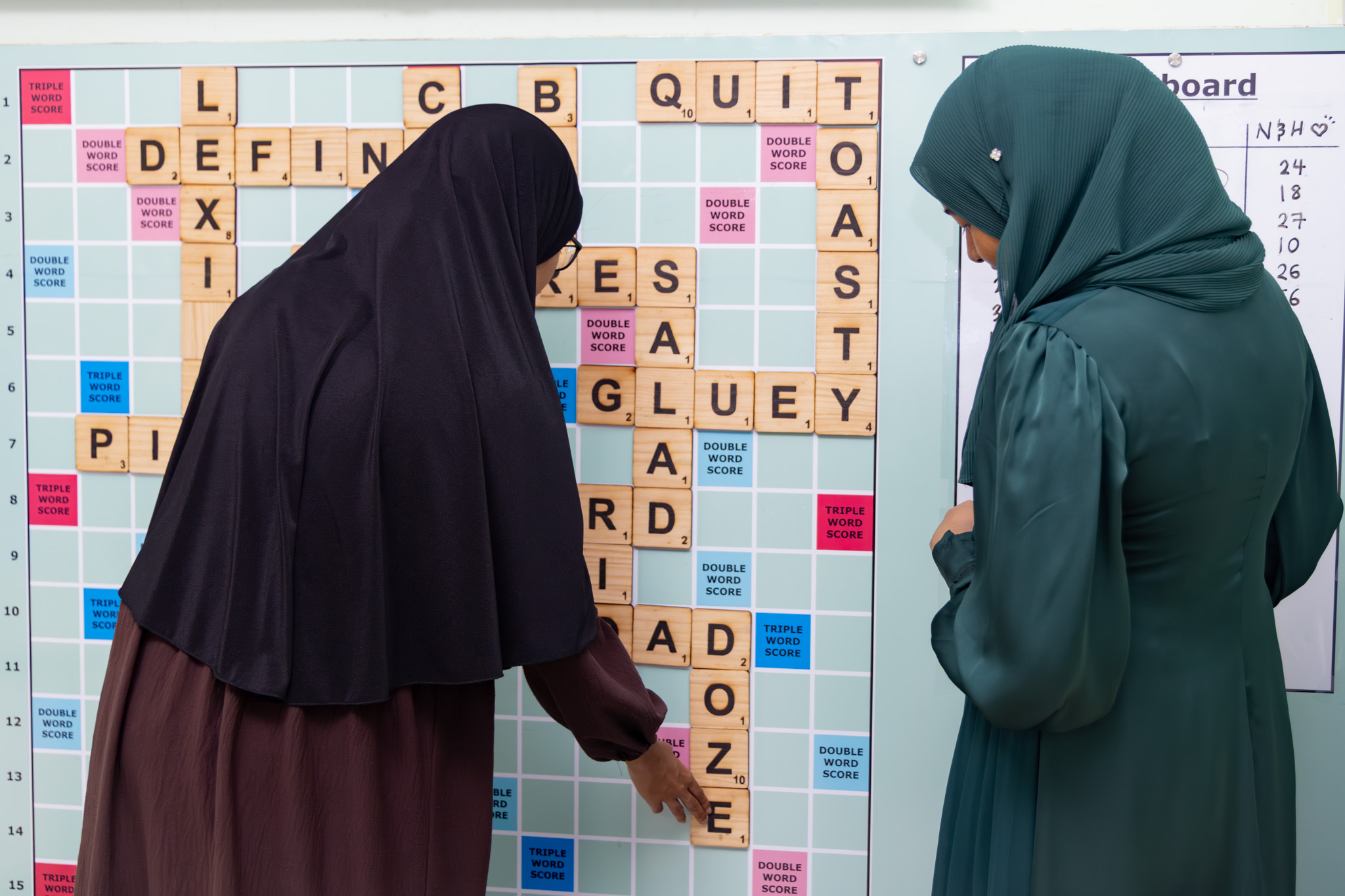
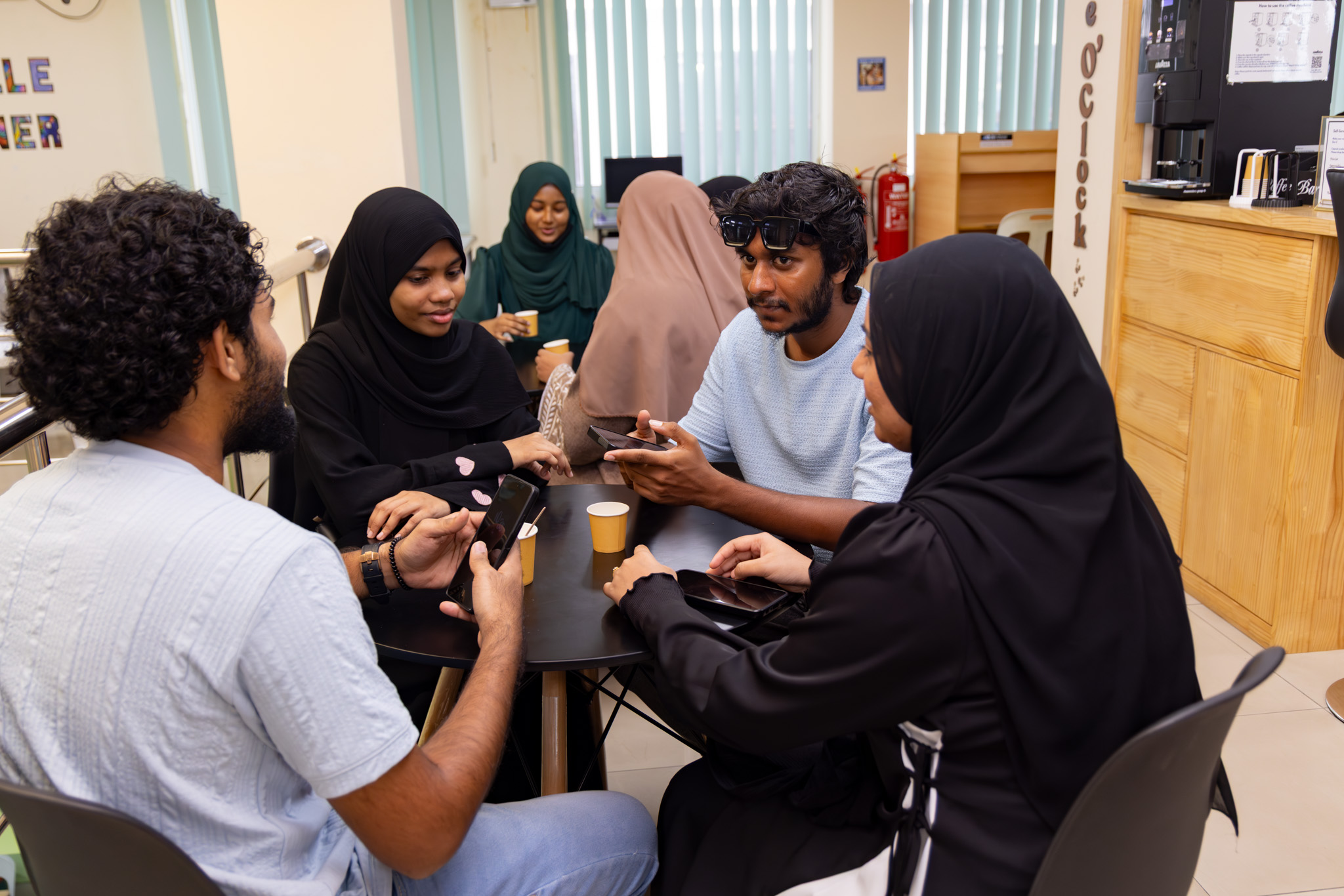
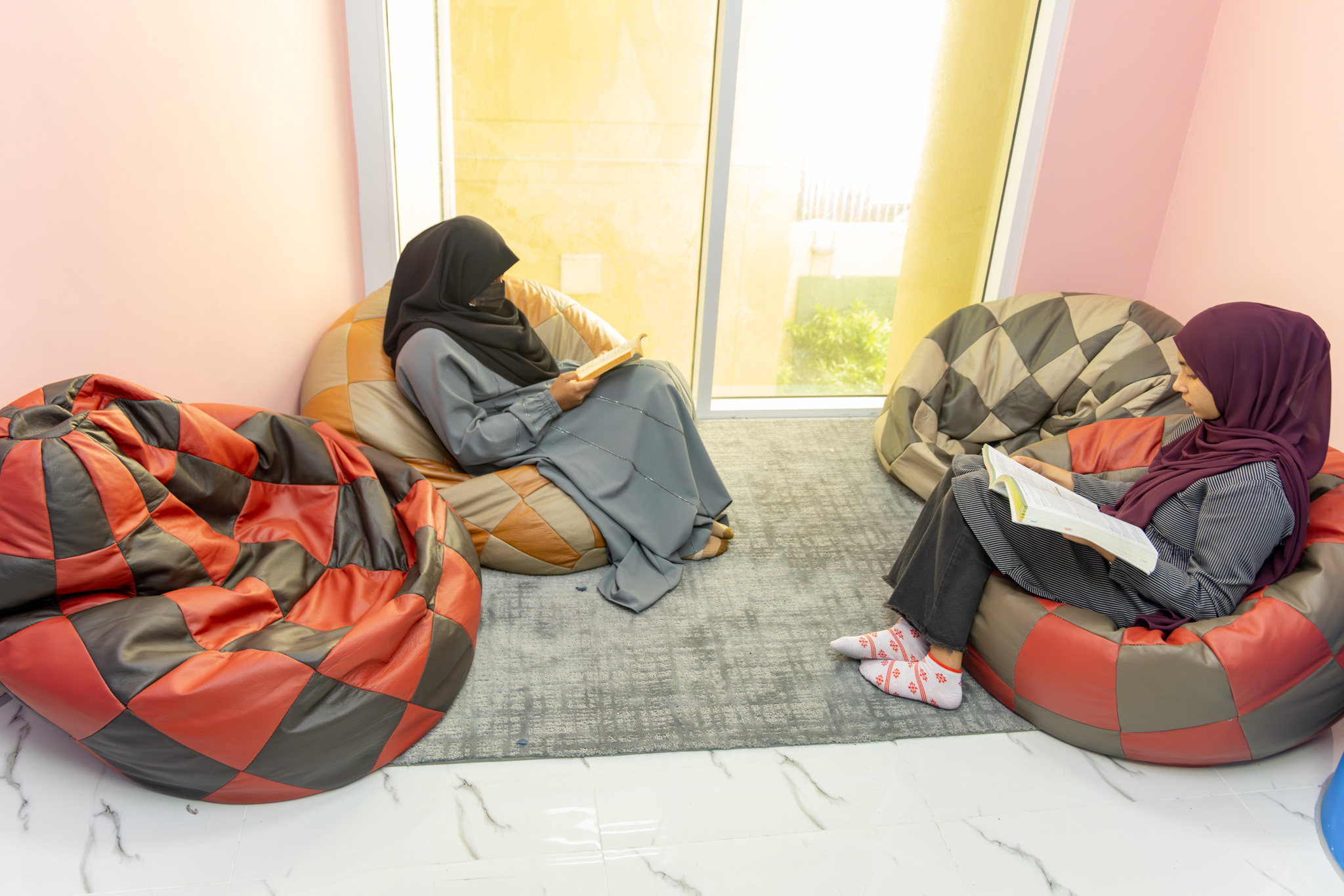
In 2025, MNU’s Central Library opened three new spaces to make the Library a more welcoming place to read, learn and relax. These were a Puzzle Corner (10 March), a Scrabble Corner (28 May) and a Coffee Corner (24 June). The corners combine reading and learning with recreation. They encourage library members to visit more often and spend more time in the Library. The initiative supports both well-being and literacy, and it makes the Library a social and learning space for the MNU community as well as a place to study.
MNU Library