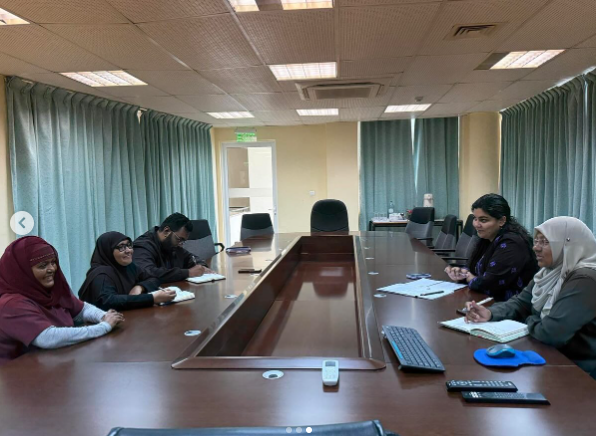
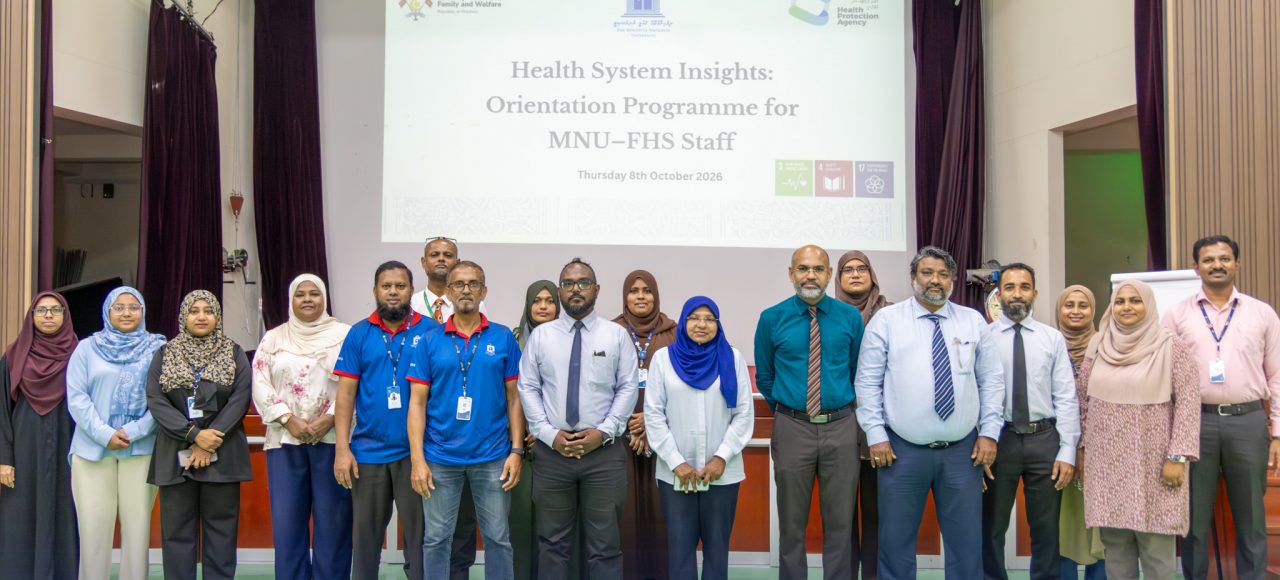
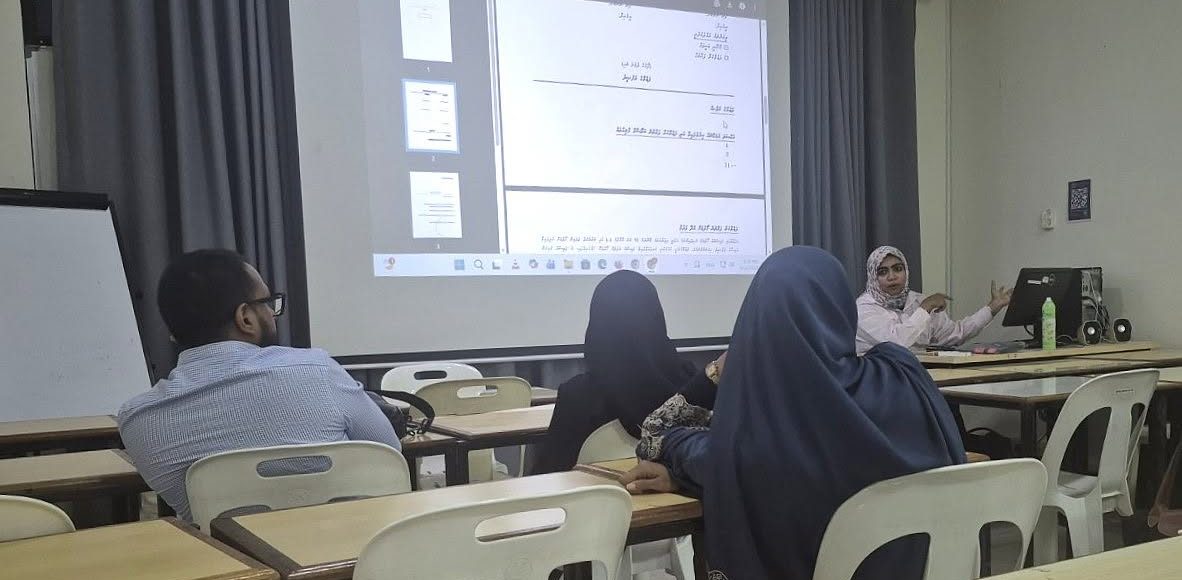
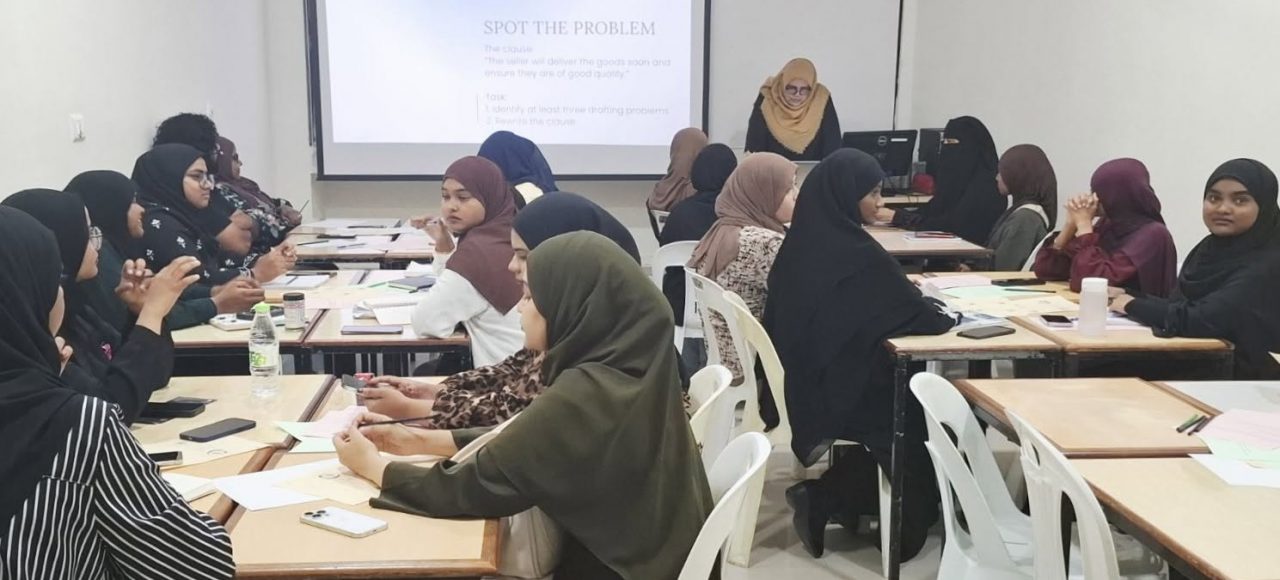
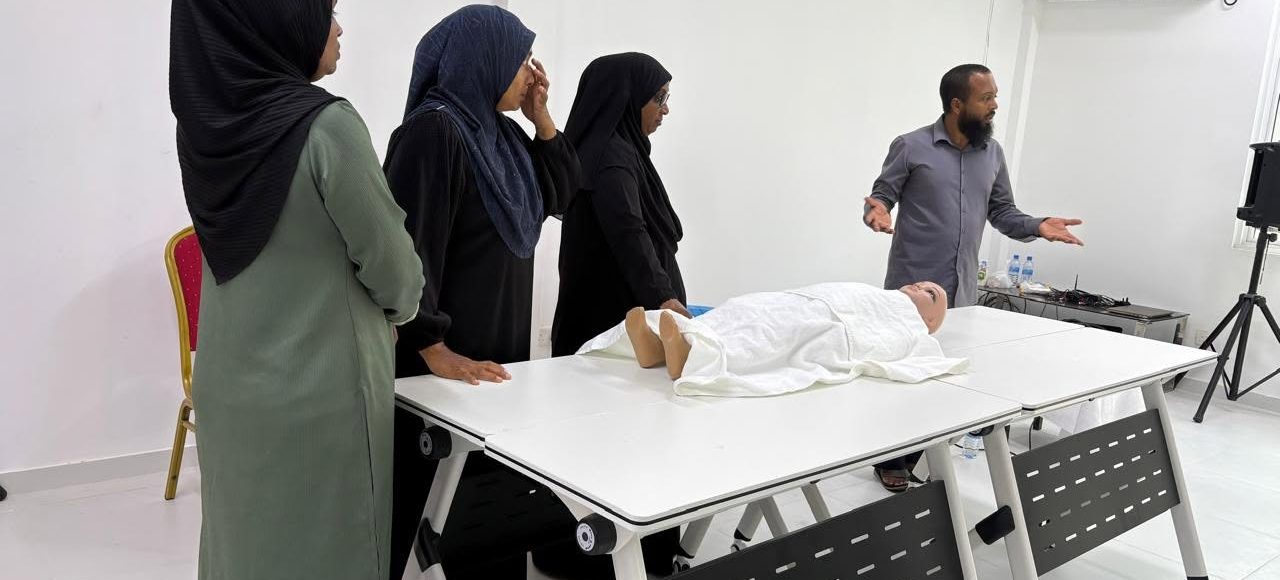
The Faculty of Health Sciences (FHS) at The Maldives National University (MNU) convened a stakeholder meeting on 28 October 2025 to discuss the role of occupational therapy in patient rehabilitation and the development of the newly established Bachelor of Occupational Therapy programme at MNU.
The meeting brought together six MNU staff members and approximately 20 stakeholders representing physiotherapy, occupational therapy, the Maldives Allied Health Council (MAHC) and the Ministry of Health (MoH). The cross-sector discussion provided a platform to strengthen understanding of occupational therapy and consider its role within rehabilitation services in the Maldives.
Ms. Thooha Adley initiated discussions on the Bachelor of Occupational Therapy programme, including the role of occupational therapists, student development, employment opportunities and the contribution of occupational therapy services to the community. Information was also shared on professional roles and referral pathways, supporting greater understanding of how occupational therapy can work alongside other health professions in patient care.
The engagement is particularly relevant to the development of occupational therapy education and the health workforce in the Maldives. Bringing academic staff together with representatives from the health and allied health sectors provides an opportunity to connect programme development with professional practice and service needs.
The discussion also highlighted the importance of collaboration between occupational therapy and other rehabilitation disciplines, including physiotherapy. Clear understanding of professional roles and referral processes can support coordinated approaches to rehabilitation and help strengthen communication between healthcare professionals.
For MNU, stakeholder engagement of this nature provides a direct link between health sciences education and the wider healthcare sector. It also creates opportunities for dialogue around the preparation of students for professional practice, workforce requirements and the development of occupational therapy services within the community.
The meeting contributes to Sustainable Development Goal 3 (Good Health and Well-being) through its focus on rehabilitation and healthcare services, SDG 4 (Quality Education) through engagement around occupational therapy education, and SDG 17(Partnerships for the Goals) through collaboration among the University, professional stakeholders and government representatives.