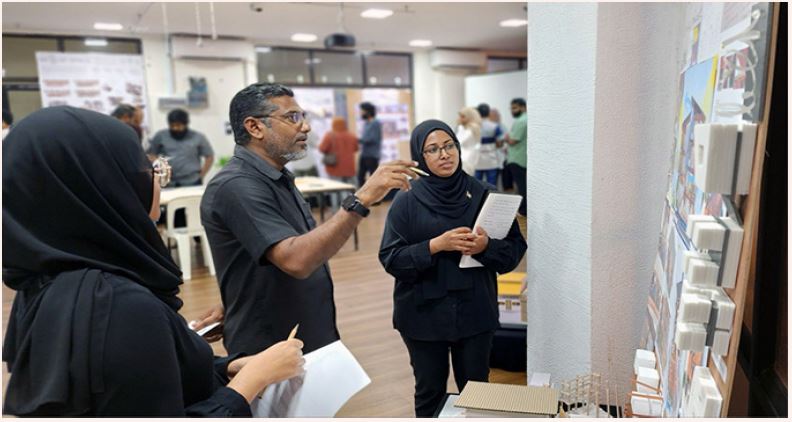
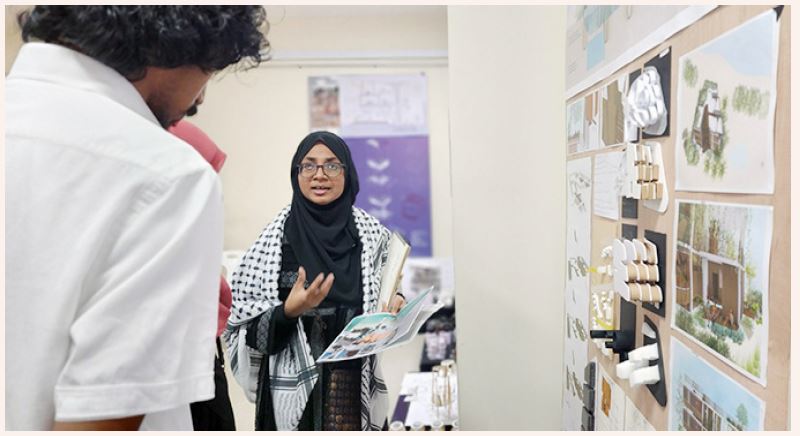
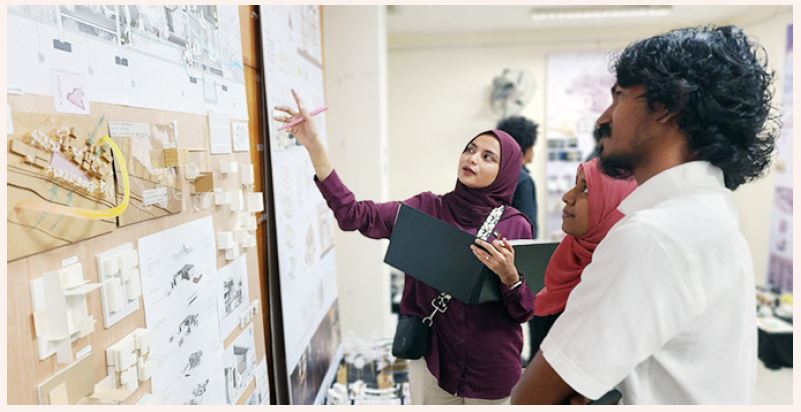
The architectural critique, commonly known as “crit,” remains a cornerstone of our architectural educational process. From June 10th to June 12th, FEST conducted final crit sessions for our semester 1, semester 3, and semester 5 students. Each session, featuring 15 to 20 visiting architects, provided invaluable feedback on student projects.
Students presented their architectural design projects to panels of visiting architects, faculty members, and peers using presentation boards, models, and digital representations. The crit sessions provided constructive feedback on design quality, functionality, sustainability, and contextual relevance, helping students identify strengths and areas for improvement. Through interactive discussions, students refined their concepts, defended their design decisions, and strengthened their critical thinking, communication, and problem-solving skills. Overall, the sessions enhanced students’ design capabilities, presentation skills, and professional readiness while fostering collaborative learning and innovation.
The architectural critique sessions align with SDG 4 (Quality Education) by providing experiential learning, constructive feedback, and opportunities for students to strengthen their design, communication, critical thinking, and problem-solving skills. They support SDG 9 (Industry, Innovation and Infrastructure) by encouraging innovative architectural solutions and exposing students to professional perspectives on design, functionality, and sustainability. The sessions contribute to SDG 11 (Sustainable Cities and Communities) by encouraging students to consider contextual relevance, sustainable design, and the needs of communities in their architectural proposals. They also advance SDG 17 (Partnerships for the Goals) by bringing together students, faculty members, and visiting architects, strengthening industry–academia collaboration and promoting knowledge exchange.