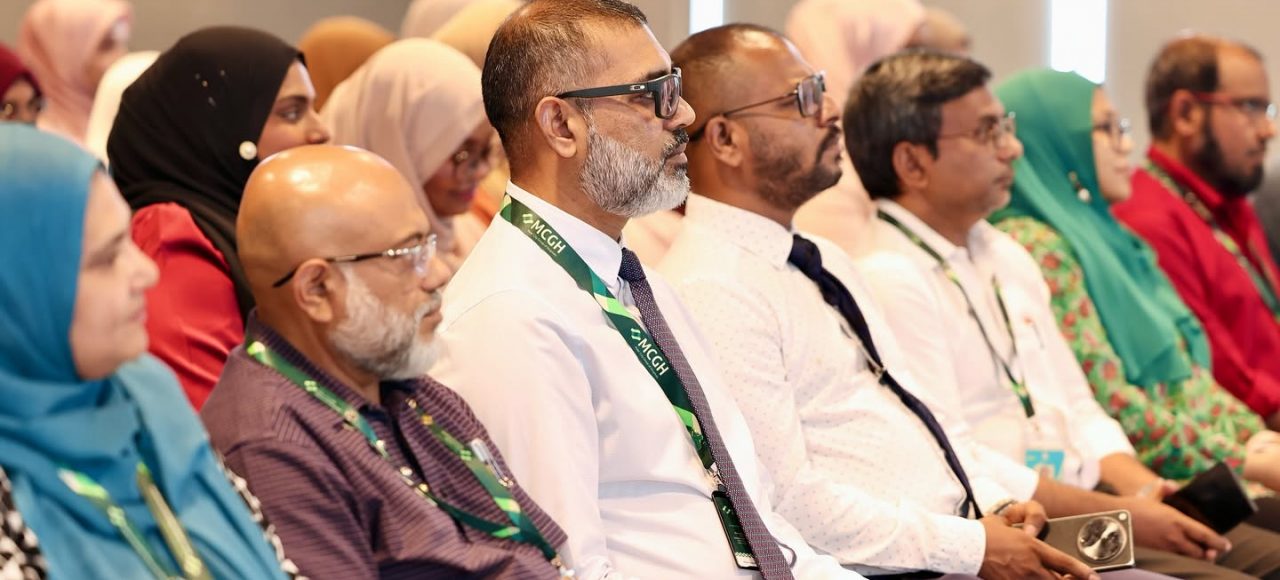
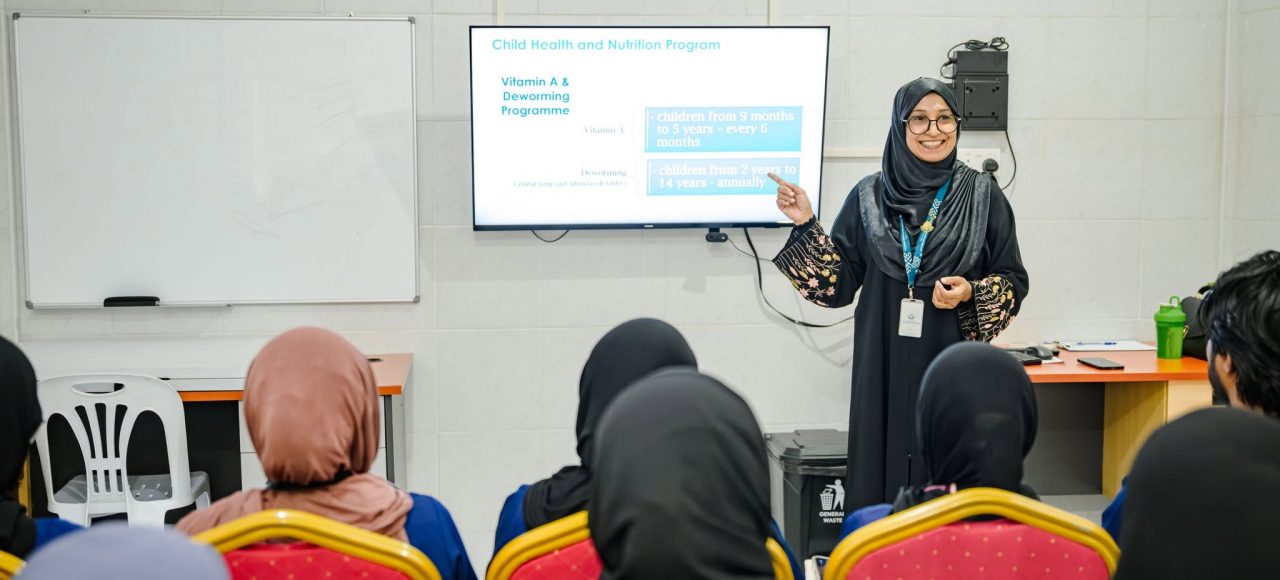
SANH is funded by the UK Research and Innovation (UKRI) Global Challenges Research Fund (GCRF). It brings together partners from India, Pakistan, Bangladesh, Nepal, Sri Lanka, Bhutan, Maldives, and Afghanistan to address the rapidly growing nitrogen pollution problem in the region
Humans have massively altered flows of nitrogen on our planet, leading to both benefits for food production and multiple threats to the environment. There are few places on Earth more affected than South Asia, with levels of nitrogen pollution rapidly increasing. The result is a web of interlinked problems, as nitrogen losses from agriculture and from fossil fuel combustion cause air and water pollution. This damages human health, threatens biodiversity of forests and rivers, and leads to coastal and marine pollution that exacerbates the effects of climate change, such as by predisposing reefs to coral bleaching. Altogether, it is clear that nitrogen pollution is something we should be taking very seriously.
The amazing thing is that so few people have heard of the problem. Everyone knows about climate change and carbon footprints, but how many people are aware that nitrogen pollution is just as significant? One reason for this is that scientists and policy makers have traditionally specialised. Different experts have focused on different parts of the nitrogen story, and few have the expertise to see how all the issues fit together. This challenge is taken up by a major new research hub established under the UK Global Challenge Research Fund. The “GCRF South Asian Nitrogen Hub” is a partnership that brings together 32 leading research organisations with project engagement partners from the UK and South Asia.
All eight countries of the South Asia Co-operative Environment Programme (SACEP) are included in the project. The hub includes research on how to improve nitrogen management in agriculture, saving money on fertilizers and making better use of manure, urine and natural nitrogen fixation processes. It highlights options for more profitable and cleaner farming for India, Pakistan, Bangladesh, Nepal, Afghanistan, Sri Lanka, Bhutan and the Maldives. At the same time, the hub considers how nitrogen pollution could be turned back to fertilizer, for example by capturing nitrogen oxide gas from factories and converting it into nitrate. The fact that all the SACEP countries are included is really important. It means that lessons can be shared on good experiences as well as on whether there are cultural, economic and environmental differences that prevent better management practices from being adopted.
OVERALL AIM: To reduce the adverse global impacts of nitrogen pollution on environment, health and wellbeing by using nitrogen sustainably with less waste
Research Programs
Research Programme 1 will investigate how South Asian policies currently deal with the nitrogen issue and discover socially and culturally acceptable ways which governments and society can help in reducing nitrogen waste.
Research Programme 2 focuses on discovering practical ways to reduce nitrogen pollution across South Asia to maximise the benefits while also minimising the consequences.
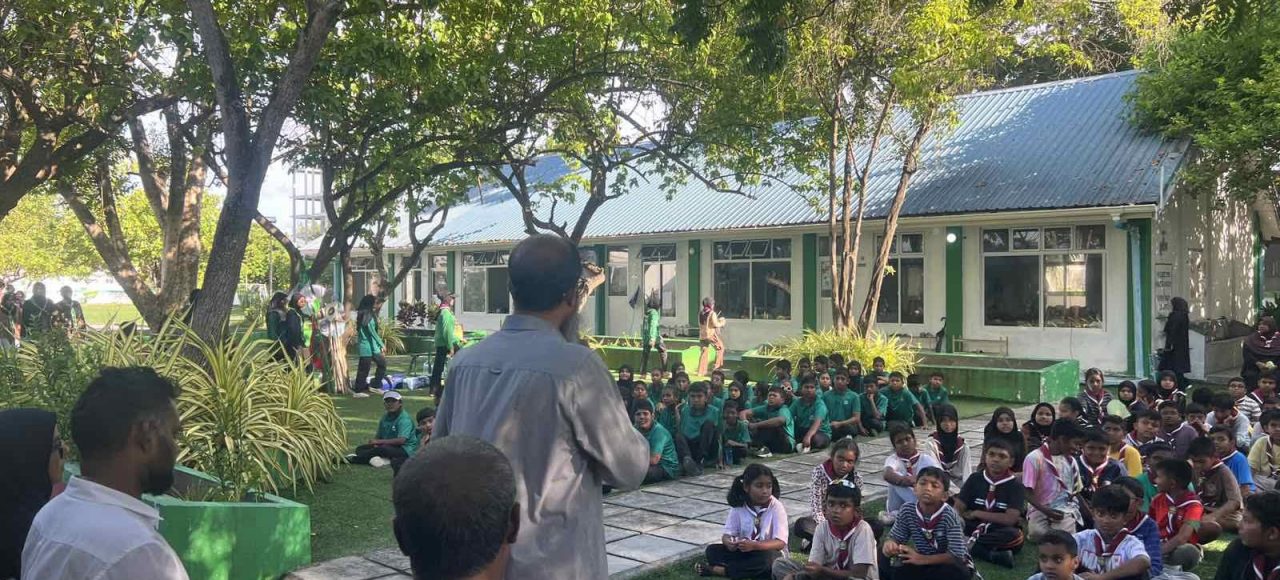
Research Programme 3 aims to understand better the impacts of nitrogen pollution on some of the most world’s most vulnerable ecosystems as well as finding ways to increase public awareness on nitrogen.
Research Programme 4 aims to model and investigate how nitrogen flows through the environment from its sources through both the air and the water. It also looks at the impacts of waste nitrogen on the natural world and communities.
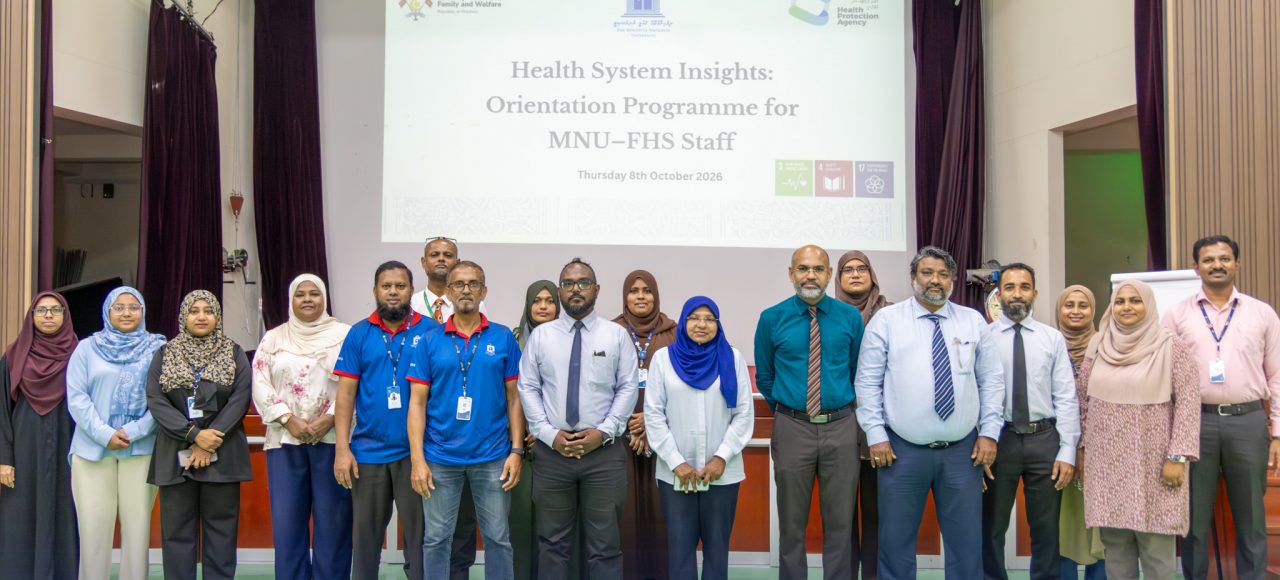
In the Maldives SANH Project was implemented by MNU in association with UK Center for Ecology and Hydrology (UKCEH).
Key outcomes
Maldives published its first national nitrogen assessment report
Conduct research to establish baselines for nitrogen pollution and its adverse effects on the environment.
- Completed and published the National Nitrogen Policy Report for Maldives during the first Quarter of 2023.
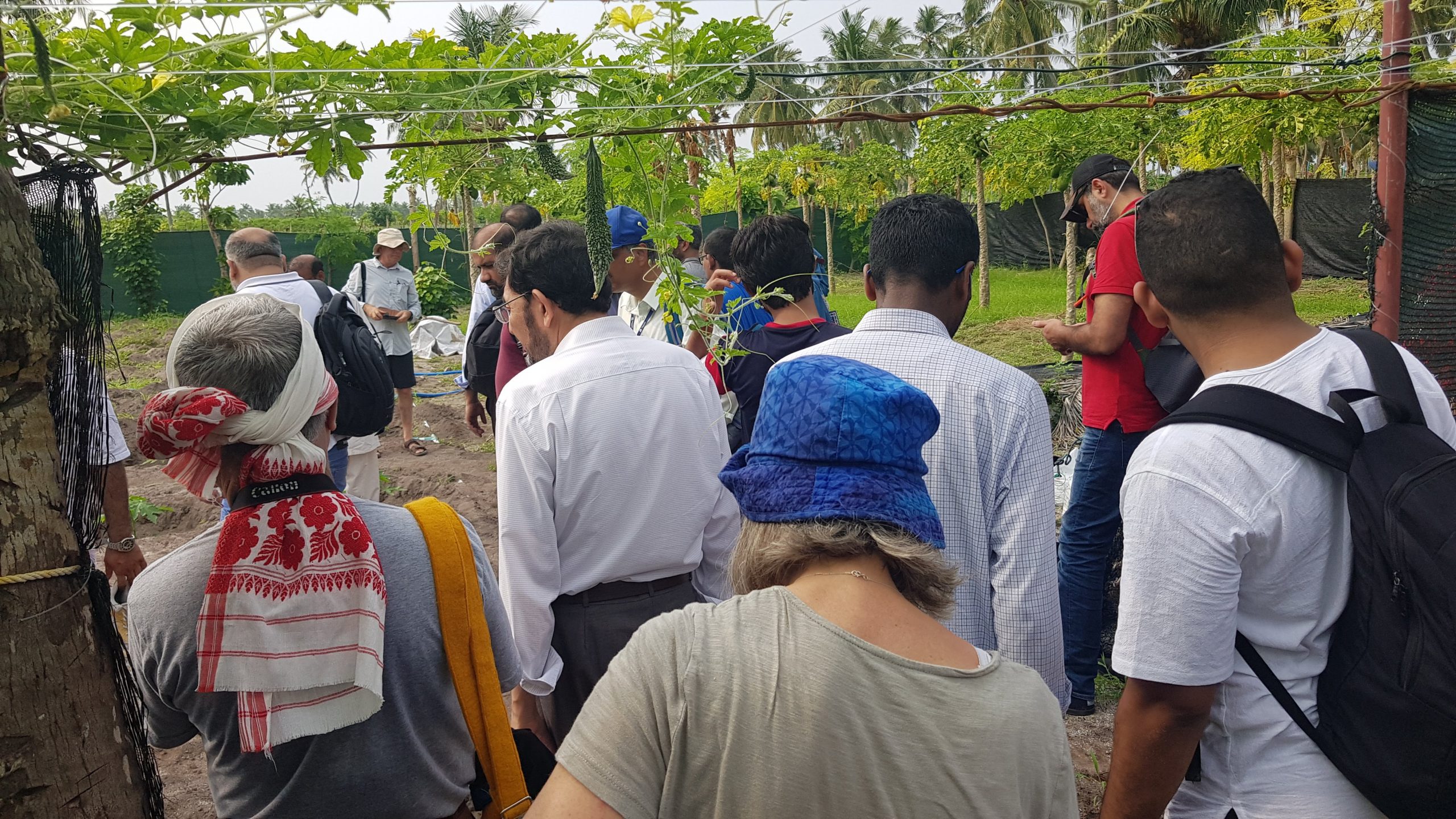
- Completed socio-economic surveys of farmers to assess the use of farming techniques, common crops grown, use fertilizers and perceptions on the use of both organic and chemical fertilizers and pesticides and the effects on farming. The surveys were completed in AA. Thoddoo and L. Gan in 2023.
- The project management team of MNU and UK-CEH engaged the Marketing team of MNU to produce village videography for 3 villages across South. Asia. Videos were completed for AA. Thoddoo in Maldives, Dharusha Village in Bangladesh and Lekhani in Nepal.
- Water sampling from Thoddoo including groundwater and marine samples were conducted and analysed.
- A hand-held probe was purchased and handed over to FEST for use in the study. Additional equipment/ materials sourced for the study includes a chest freezer, cooler boxes and sample collection bottles. An MOU has been signed with MWSC in order to institutionalize assessments required for the study.
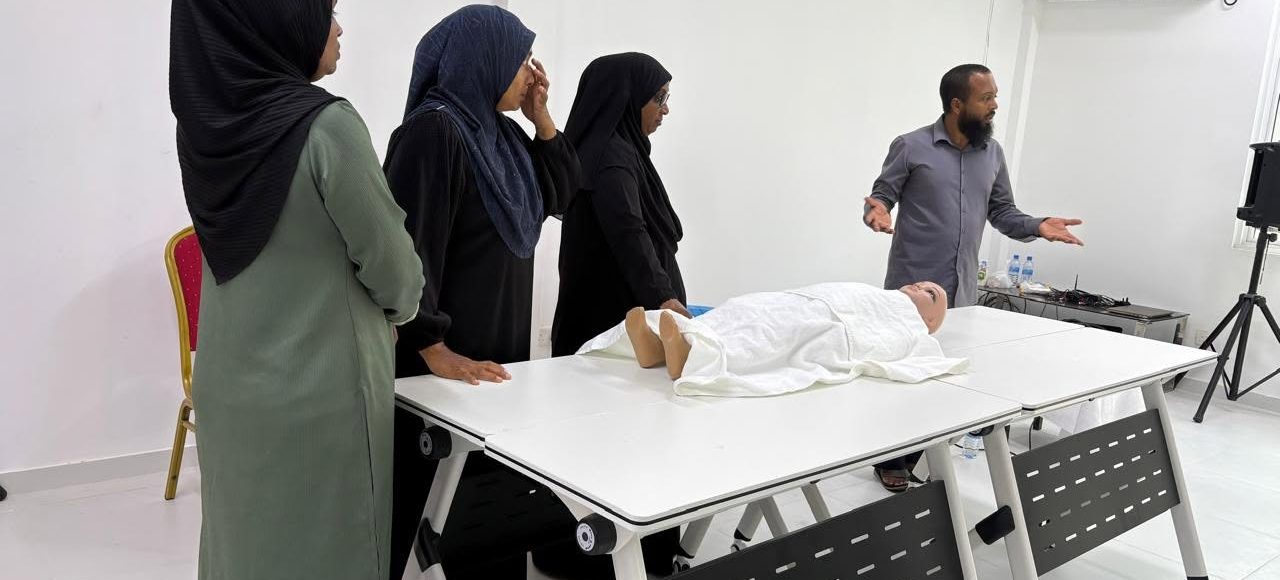
- Two Massive Open Online Courses (MOOC) developed by SANH is available as a free source for study on the Ed Ex online courses platform. The Introductory MOOC is also available in Dhivehi language.
- DELTA system and Wet deposition sampler set-up has been completed with assistance from Maldives Meteorological Services (MMS) at K. Hulhule’ and H. Dh. Hanimaadhoo Met stations. To formalize this partnership an MOU has been signed by MMS
- Air and water samples are collected daily and for each rain event respectively.
Links to Sustainable Development Goals
- SDG 2 (Zero Hunger) Best nitrogen management practices in agriculture can enhance soil fertility and crop yields, contributing to food security.
- SDG 14 (Life Below Water), research conducted in the project focused on nitrogen pollution sources and nitrogen management practices that could reduce marine pollution.
- SDG 12 (Responsible Consumption and Production): By promoting sustainable nitrogen management practices across various sectors, the project encourages responsible consumption and production patterns.
- SDG 13 (Climate Action): The project will investigate the role of BMPs in agriculture and nitrogen pollution through the emission of nitrous oxide (N2O).
|
Duration: 4.5 years (September 2019 to August 2024)
|
|
Grant Amount: GBP 202,555 (for MNU)
|