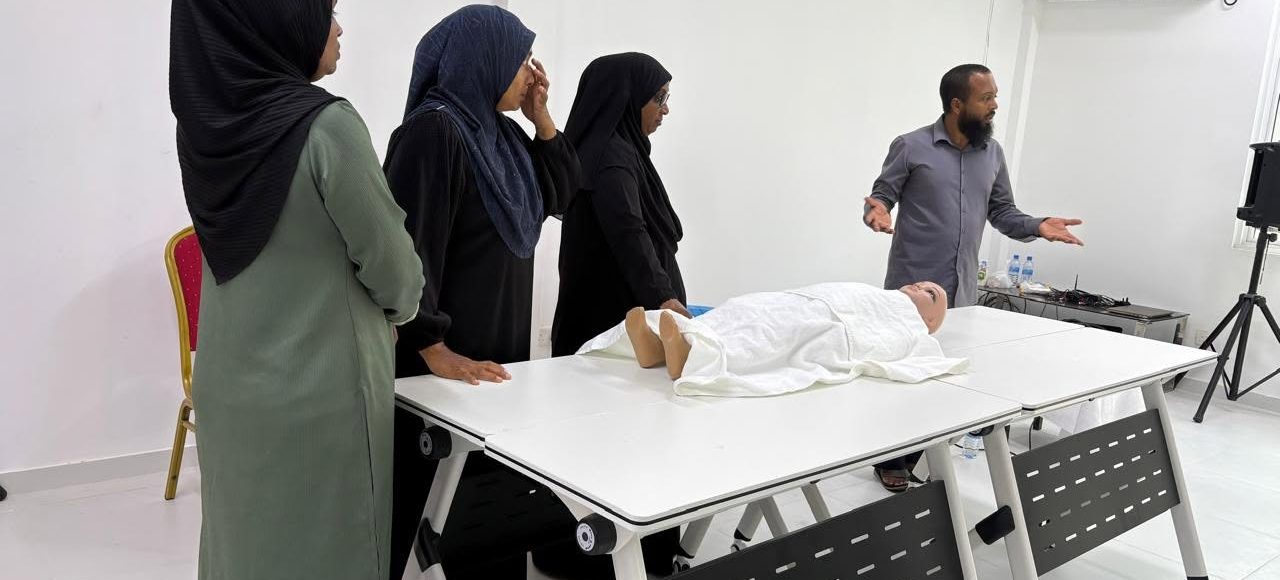
The Faculty of Health Sciences (FHS), The Maldives National University (MNU), strengthened evidence-based learning and scientific dialogue through its Medical Science Seminar Series, bringing together students and academic and professional staff to explore emerging issues in immunology, climate-related health, and reproductive medicine.
The first session, “The Immunological Imperative of Quality Sleep,” was presented by Aishath Majidha Hassan, Senior Lecturer, Department of Medical Sciences. Drawing on recent scientific research, the session examined how sleep deprivation affects immune function, including changes in cellular and humoral immune responses and their relationship with susceptibility to clinical infections. The seminar also explored how sleep deprivation can stimulate inflammatory cytokine release and contribute to neuroinflammation, with implications for learning and memory. The session was attended by 60 students and three MNU staff members, promoting greater awareness of sleep as an important component of health and cognitive function.
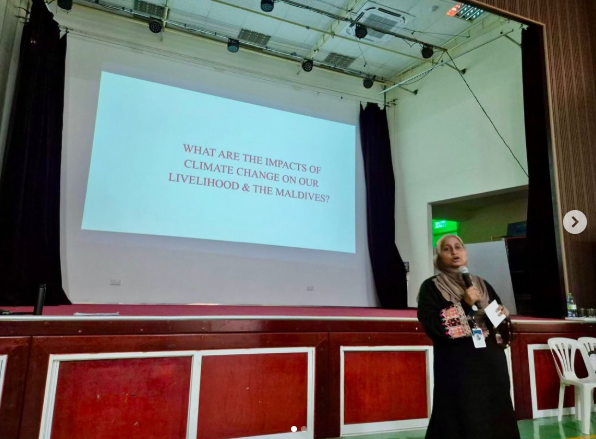
The second session, held on 23 September 2025, examined “Impacts of Climate Change on Human Health: Immune Dysfunction and Disease.” Presented by Fathimath Zimna, Associate Lecturer, FHS, the seminar used published scientific evidence to explore how climate-driven environmental stressors—including pollen, air pollution, and heat stress—can alter the human exposome and contribute to immune dysregulation. Particular attention was given to compromised epithelial barriers and inflammatory pathways associated with conditions such as asthma, allergies, and autoimmune diseases. With 60 students and four MNU staff members participating, the session encouraged discussion of the interconnected effects of environmental change on individual and community health.
The third session, held on 2 October 2025, brought a clinical laboratory perspective to reproductive medicine. Imrana Abdul Aleem, Chief Medical Laboratory Technologist, Department of Medical Laboratory, Tree Top Hospital, led a scientific discussion on the impact of female age on in vitro fertilisation (IVF) success rates, with particular emphasis on its influence on oocyte quality. The session, attended by 60 students and five MNU staff members, provided evidence-based insights into factors influencing fertility outcomes and created an opportunity for students to engage with perspectives from professional practice.
Together, the seminars demonstrate FHS’s approach to connecting current scientific evidence, classroom learning, and professional expertise. By engaging students with contemporary research and perspectives from both academia and the health sector, the series supports the development of scientific awareness and evidence-informed thinking relevant to future healthcare practice in the Maldives.
The activities also contribute to Sustainable Development Goal 3 (Good Health and Well-being) through health and scientific education, and SDG 4 (Quality Education) through the dissemination of current knowledge. The climate-health session additionally reflects the relevance of SDG 13 (Climate Action), while engagement with a healthcare professional in the reproductive health session demonstrates the value of academic–health sector knowledge exchange.