Introduction
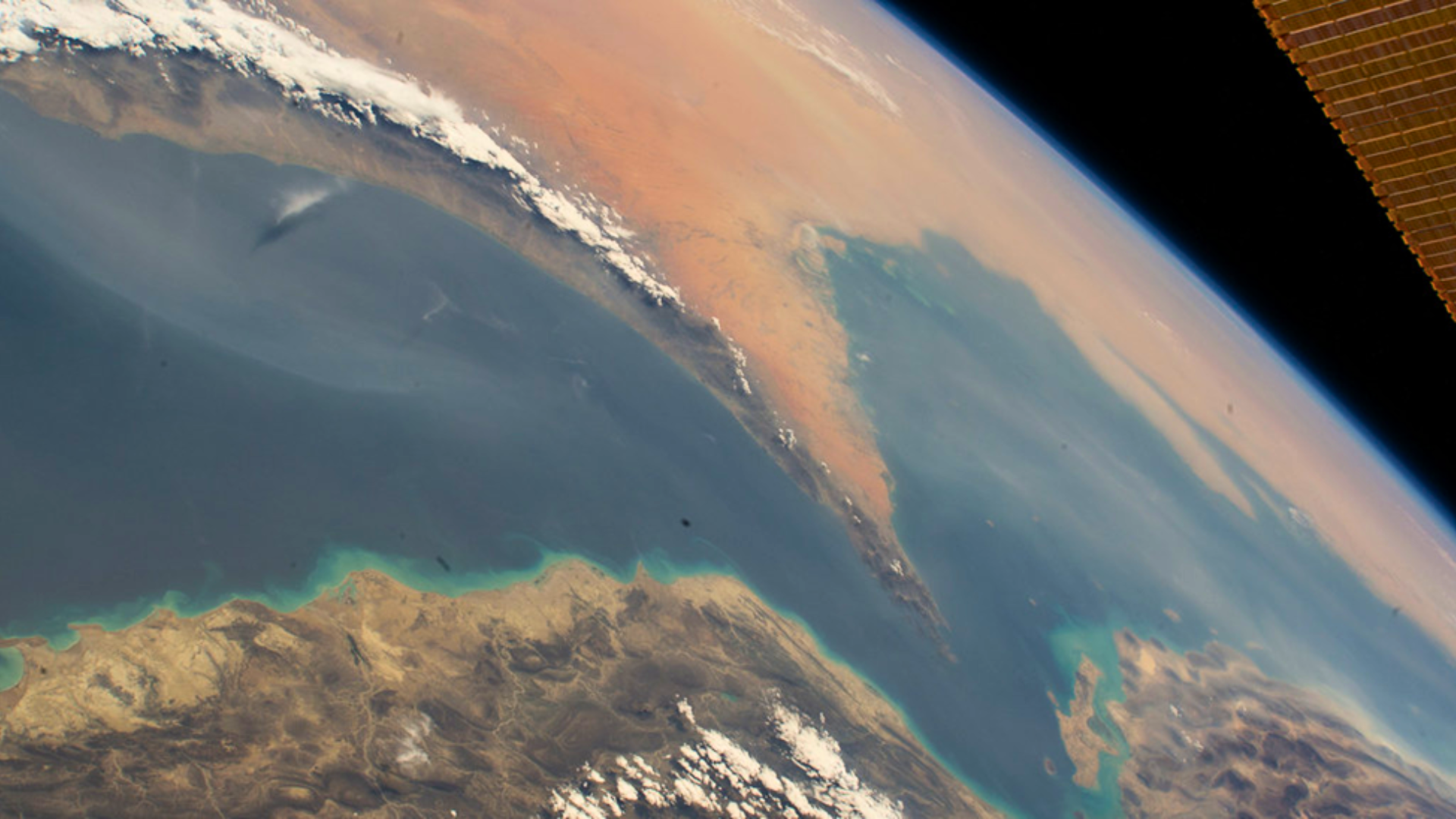
28 February 2026 was a hard day for the Persian Gulf states. It was the start of a new war in the region. American and Israeli bombs that began falling on Iran on the same day continued unabated for about 40 days before a two-week ceasefire came into force. A ceasefire that gave peace a chance, though both sides of the conflict kept fingers on the trigger. As President Trump wrote on his Social Truth, if the peace talks failed, “shootin’ starts” bigger and better and stronger”.
Apart from Iran, other Gulf countries in the region also sustained damage to airports, desalination plants, and oil and gas fields, affecting fuel production capacity, mostly from falling debris following interceptions of Iranian missiles or from becoming direct targets. The Gulf states had their airspace closed, resulting in the cancellation of thousands of passenger and cargo flights that linked the affected Middle Eastern airports to America, Europe, and the Far East.
The closure of the Strait of Hormuz was an immediate outcome of the ongoing war with Iran – i.e., on 28 February, Tehran closed the strait, disrupting the flow of about 20 per cent of global fuel and natural gas supply and affecting major Asian manufacturing hubs such as China, Japan, and India. Apart from fuel, 20 per cent of world’s nitrogen fertilisers also came to a halt. In addition, Qatar, the largest supplier of 30 per cent of global needs of Helium used in high-precision cooling for semiconductor manufacturing, too, dwindled, making the current war with Iran an alarming global economic concern.
This analysis shows how maritime small states like Maldives can navigate to stay safe amid the war-affected currents of the global economy.
Dependency and global connection
The war against Iran and the resulting battle over the closure of the Strait of Hormuz have triggered a shock of global proportions. The modern economy is profoundly interconnected, and disruptions in one region reverberate across continents. Maritime states, particularly those heavily reliant on imported oil, gas, and food commodities, face immediate consequences. Their dependence on steady flows of energy and essential goods means that any interruption to shipping translates into problems across their domestic and regional economies. The impact is not abstract; it is direct, visible in rising prices, shortages, and strategic vulnerabilities that ripple outward from the Gulf.
For small states in the Indian Ocean, the stakes are even higher. These nations are directly tied to the shipping lanes that pass through the Strait of Hormuz, and their food security often depends on imports carried along this vital waterway. A blockade or disruption in the strait does not merely affect Gulf exporters; it destabilises the supply chains of the countries from which smaller states source their food and energy. In this way, global connectivity becomes both a lifeline and a liability. The inevitability of these links forces small states to shape their strategies around the war, underscoring how deeply entwined their futures are with the geopolitics of the Gulf.
War ripples in Maldives
Maldives, although geographically located away from the conflict zone, would acquire its share of hardships. The country is largely dependent on the Gulf region for energy security, especially to fuel its tourism, fishing, transport, and electricity sectors. In 2025, Maldives spent MVR10 billion on fuel imports, purchasing approximately 2.9 million barrels of oil. This expenditure accounted for 10 per cent of the country’s GDP. Unlike the 2024 budget, which included MVR 2.1 billion as fuel subsidies, the 2025 budget allocated MVR433 million. This shows an 80 per cent reduction from the previous year. The subsidy for 2026 is estimated at MVR1.06 billion (about US$68.5 million). It is worth noting that in 2022, when Russia invaded Ukraine, the fuel price was above US$100 per barrel, forcing the Maldivian Government to increase fuel subsidies by sixfold, to MVR3.2 billion (about US$207 million).
According to the Asian Development Bank (ADB), the ongoing war, especially with the resulting rise in oil prices, might cause the fuel subsidy to increase this year to US$110 million. What this shows is that a heavy dependence on fossil fuels will always keep countries vulnerable to any global fuel price fluctuations, putting their entire economies susceptible to increased inflationary pressures.
For example, the scarcity of US dollars in Maldives is already a concern, creating a potential hyper-economy. US dollars at the official bank rate, i.e., MVR15.42, are not readily available to small and large businesses, and citizens travelling abroad for health, education or business purposes. This can create a systematised black market for US dollars, with an average cost ranging as high as MVR20 per US$. This was hence another important factor that pushed the price of consumer goods. Given the global rise in freight charges, imported products would probably stay higher even after the end of the war. The increase in fuel costs and the high demand for foreign currency can further increase the exchange rate of US$, potentially raising Maldives’ inflation above 5 per cent.
Furthermore, the United Arab Emirates (UAE), Qatar and Oman are vital to the business and financial sectors of Maldives. For example, 35 per cent of all tourists visiting Maldives arrive via these Gulf states. Apart from the war with Iran, disrupting the security environment of these states, a steep rise in global fuel costs would cause a rise in inflation, leading to a fall in visitor arrivals and a loss of much-needed tourism revenues.
Tourism accounts for about 30 per cent of Maldives’ Gross Domestic Product (GDP) and nearly 60 per cent of foreign exchange inflow. A downward spiralling of these numbers means the country will dampen economic growth, making it harder to manage foreign debt and finance loan repayments.
According to ADB, any increase in fuel subsidy will surge the budget deficit, becoming a challenge to take additional loans and manage the difficulties arising from the war, especially having paid up in full US$ 500 million Sukuk, the Islamic Bond, along with US$24.68 million coupon payment, which matured in early April this year.
On previous occasions of war in the Gulf, Maldives has taken swift measures, such as shortening business hours, early closure of offices and restricting travel. When the war against Iran began, the country was already undergoing a political campaign for the recently concluded local elections and public referendum. Being amid an election campaign and an important referendum, the repercussions of the war with Iran on Maldives’ economy were largely overshadowed.
Notwithstanding the local political environment, the government informed the public that measures were being taken to protect the economy. Developments have been closely monitored, and steps have been taken to prepare the economy for inadvertent external shocks. This can come with heavy financial burdens, especially with the full payment of the Islamic Bond; the country’s usable foreign reserve was reduced to $150 million. ADB says it will be a challenge for Maldives to take additional loans and increase the deficit to manage the difficulties arising from the war.
In the likely event of the ceasefire becoming a truce to stock up on weapon supply before launching a second round of ‘shootin’, the ‘difficulties in global energy and raw material supply chains and high oil prices’ are expected to remain unchanged for some time. Hence, the looming financial threat of the Maldives sliding into high-risk debt distress is a reality that must not slip from public discourse.
Despite the global realities of this war, a long-term solution may lie with investments in alternative energy sources, making the nation’s top priority energy, hand in hand with a diversification of supply chains, including tourism markets, will provide more leeway in managing a more balanced economy.
Conclusion
Maldives’ economic vulnerability to global shocks – especially rising fuel prices and foreign currency shortages – underscores the urgent need for energy diversification and supply chain resilience. Proactive measures and strategic investments are essential to safeguard economic stability and mitigate the risks of high inflation and debt distress, creating unlikely events of social distress.
Author
Dr Ahmed Zaki Nafiz is an Assistant Professor in Journalism at the Maldives National University. He holds a PhD in Journalism from the University of Canterbury in New Zealand. At The Maldives National University, Dr Zaki teaches Journalism, Politics and Maldivian History. Currently, his main research interest is writing about War, History and Politics, related to the Maldives.