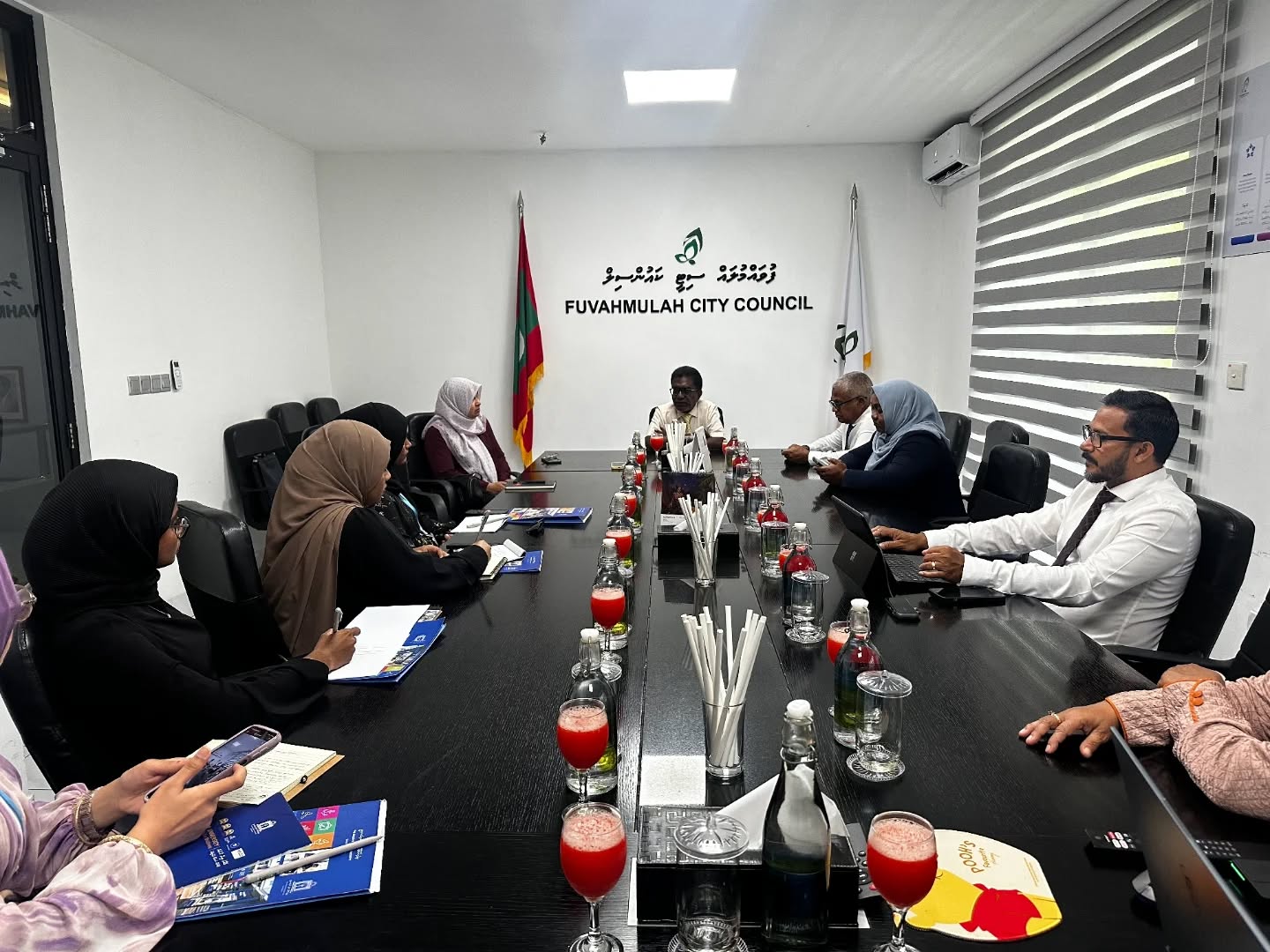
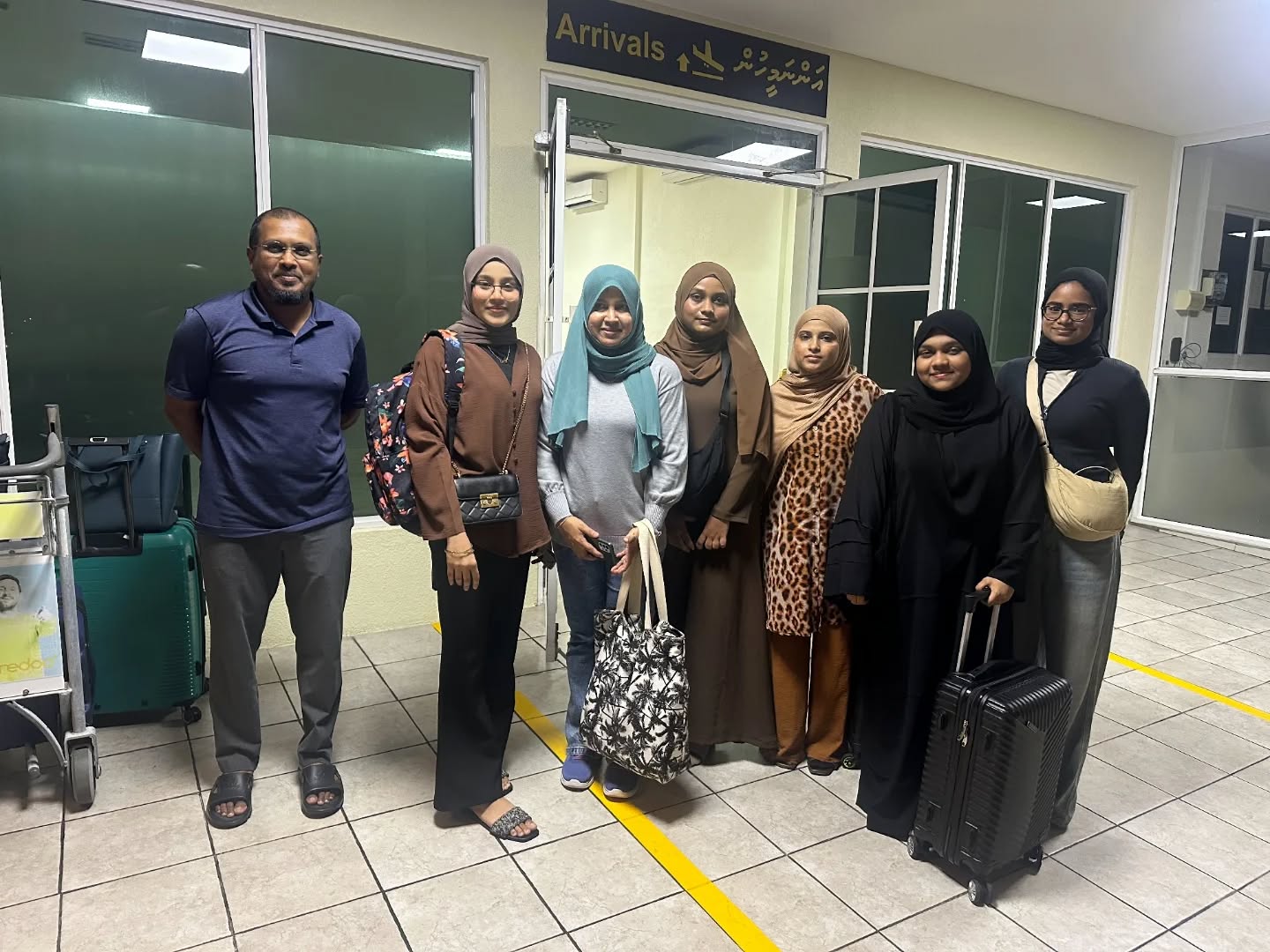
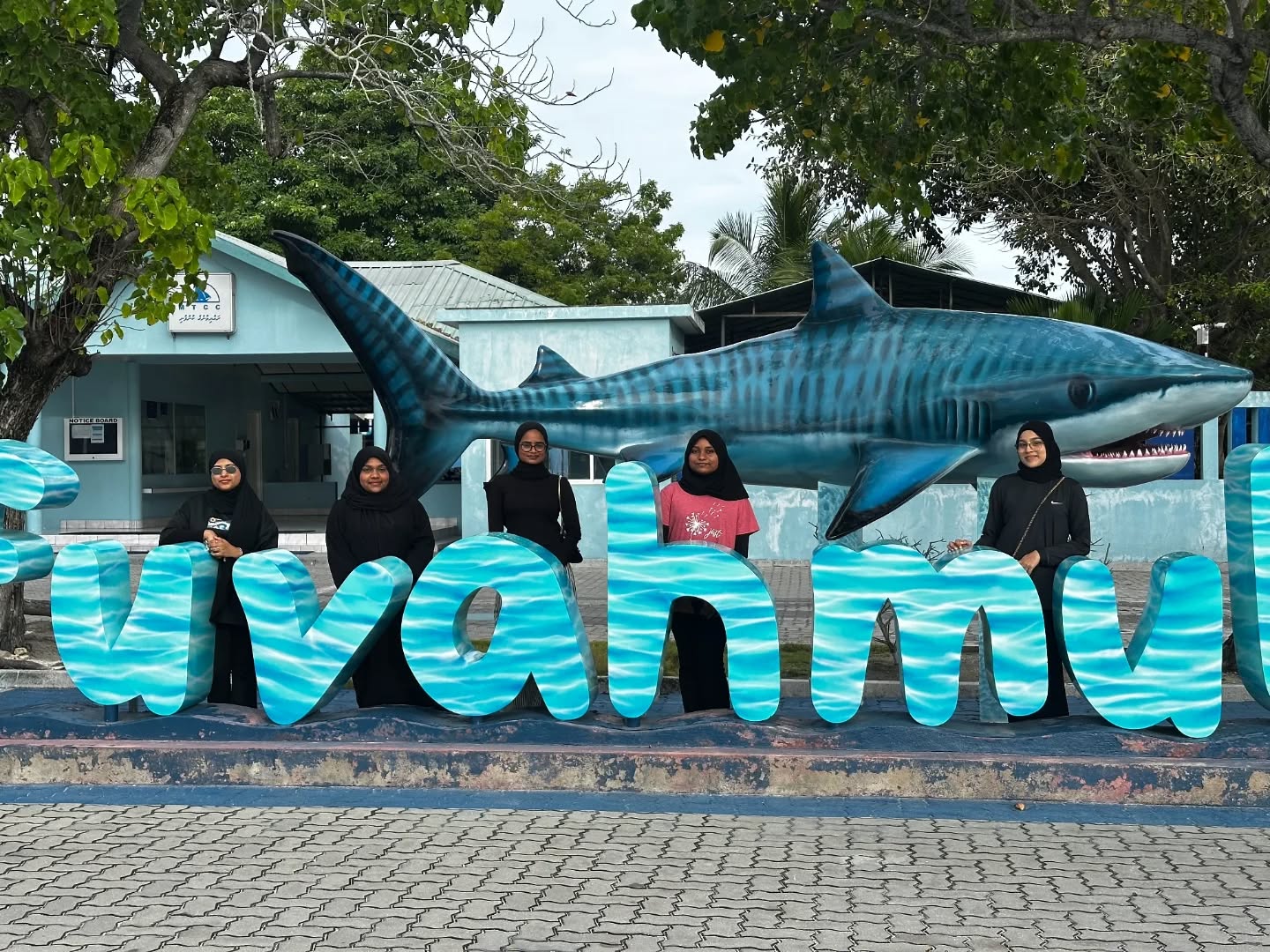
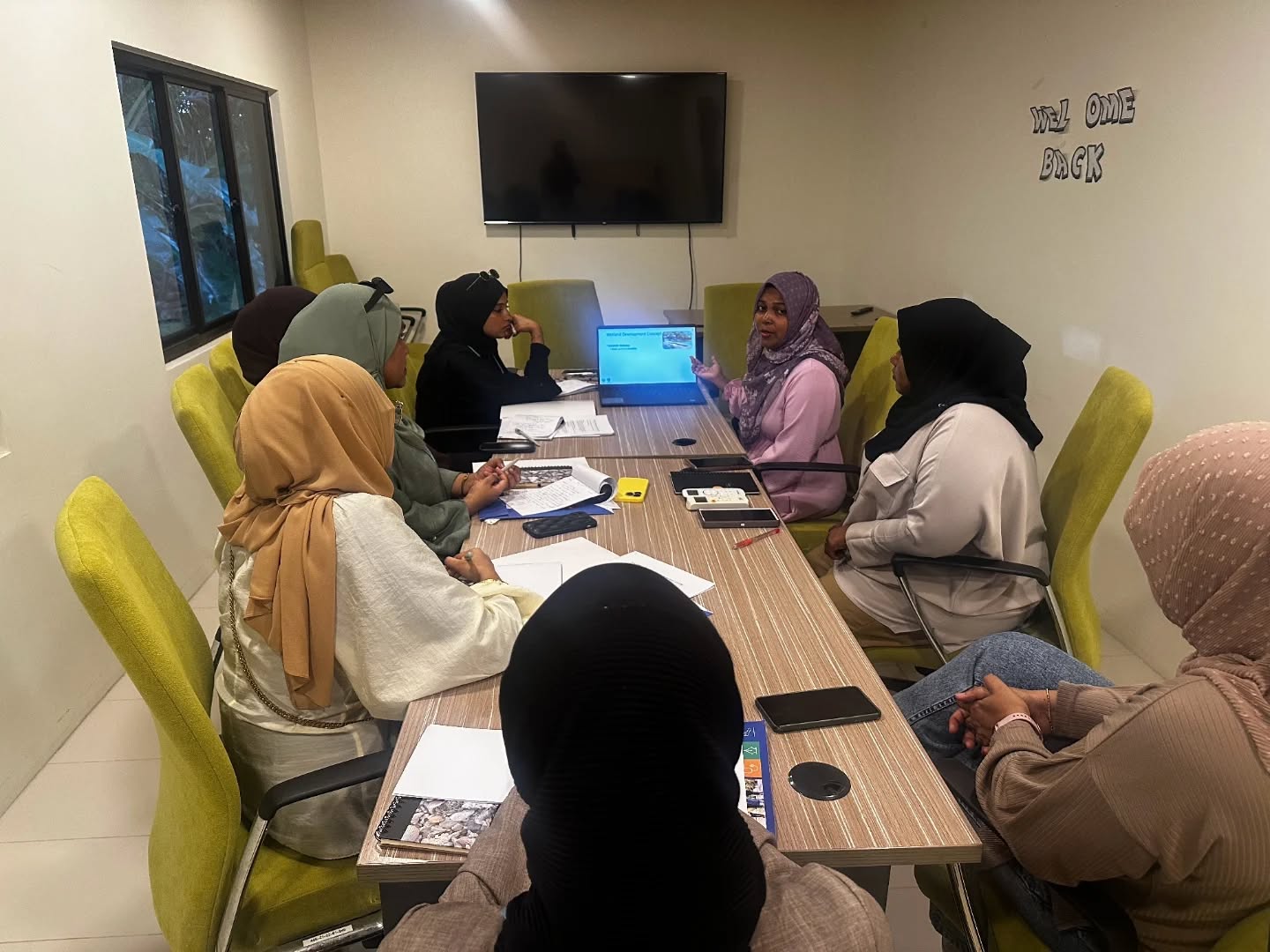
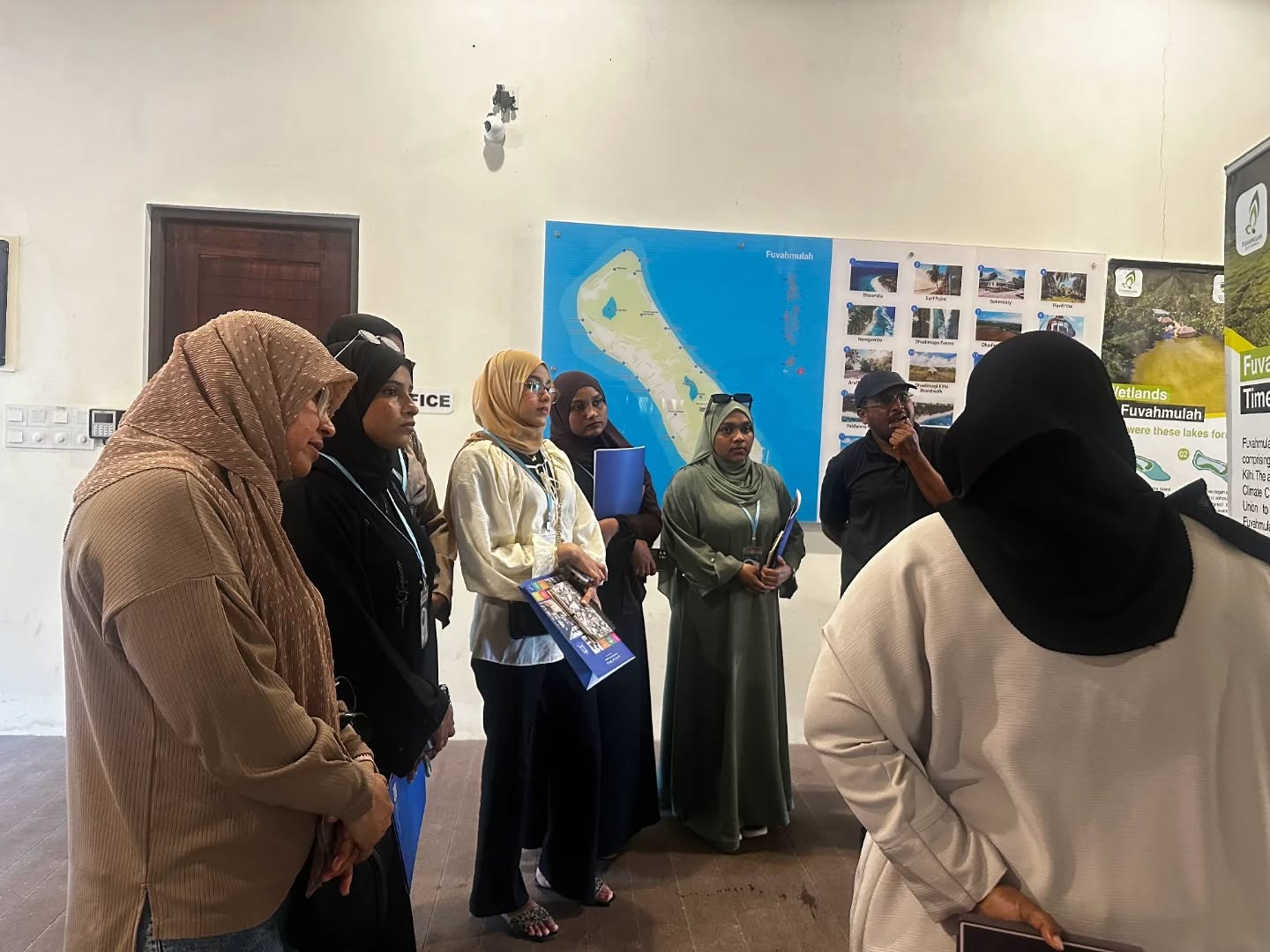
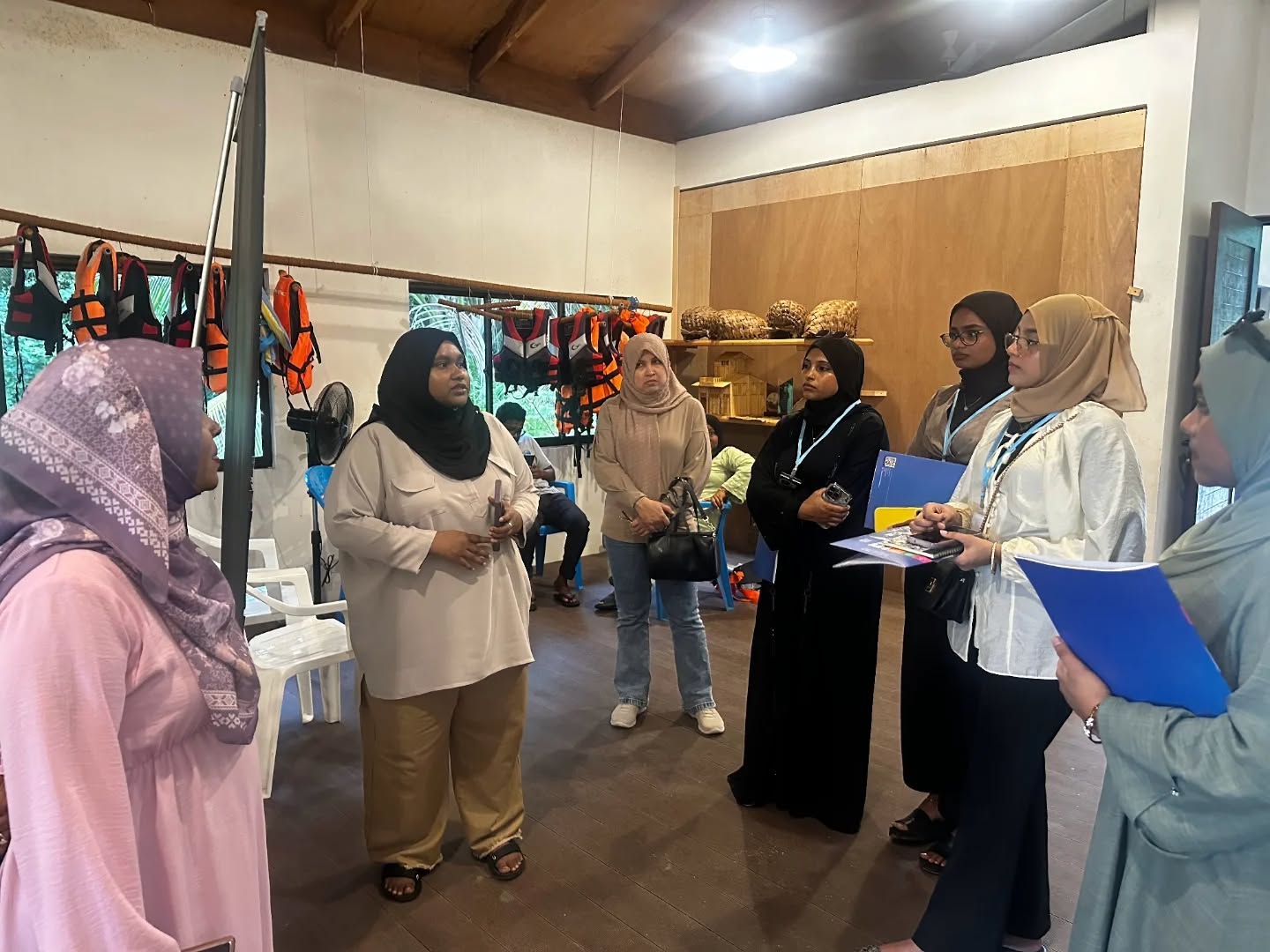
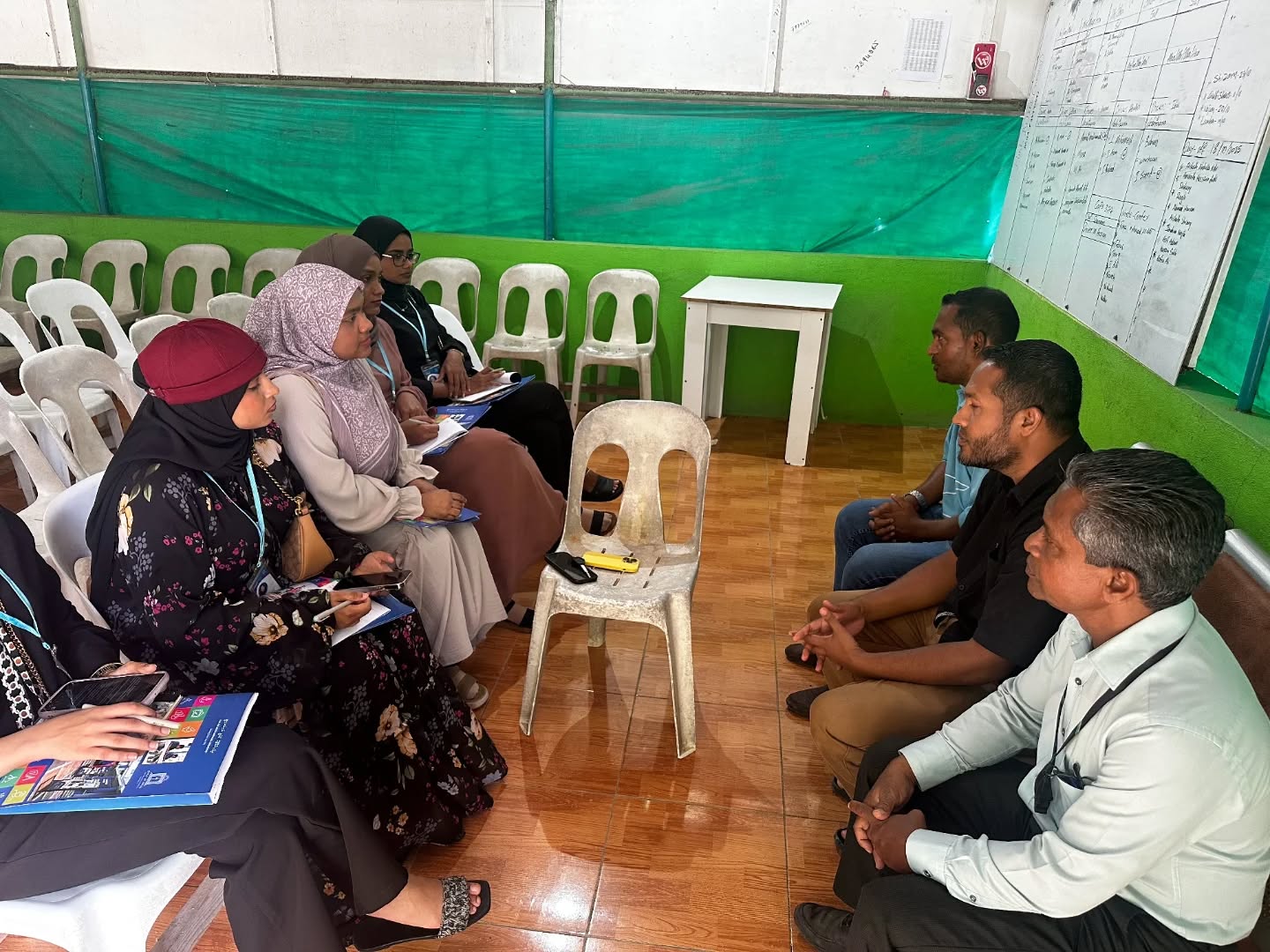
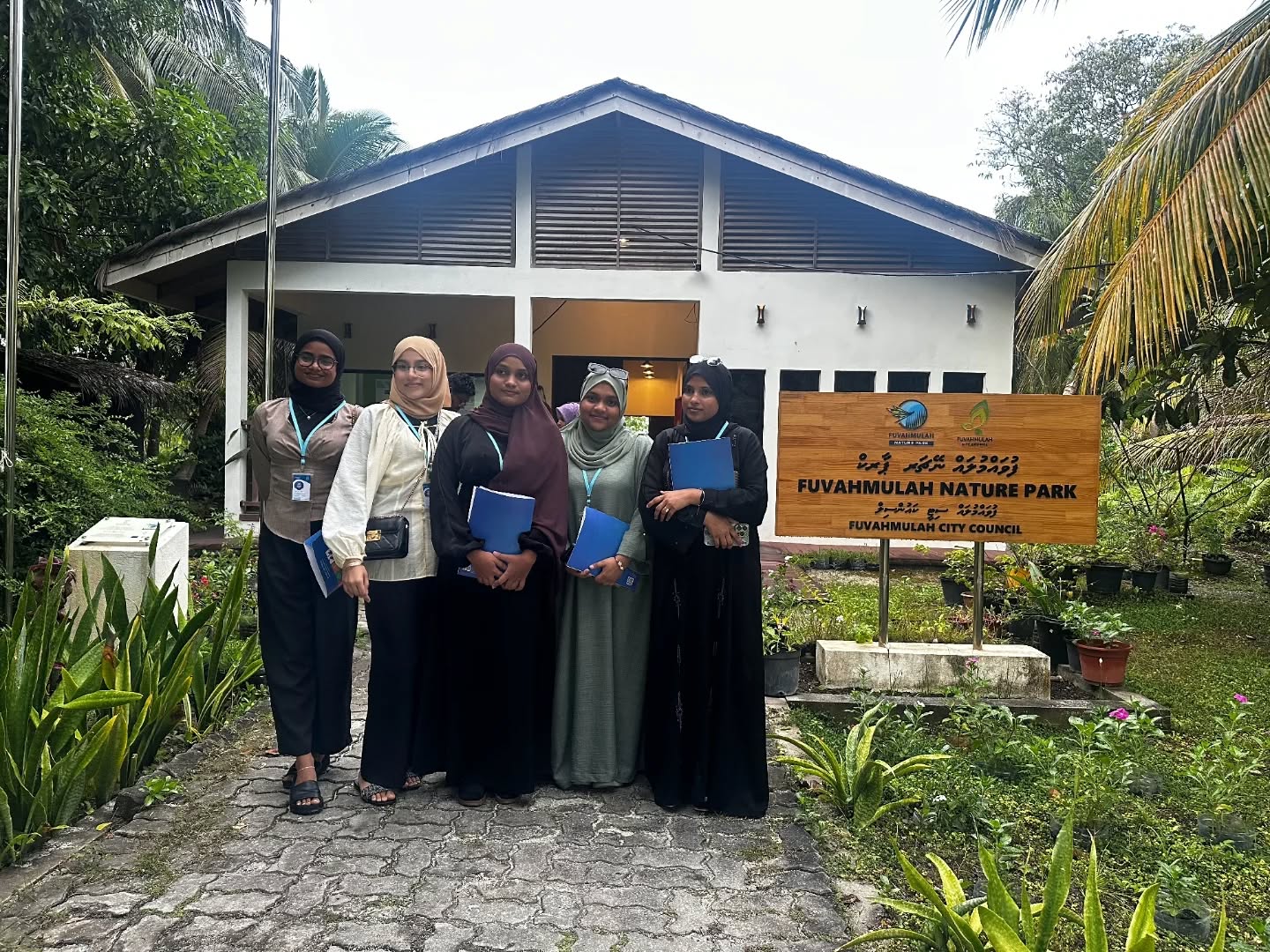
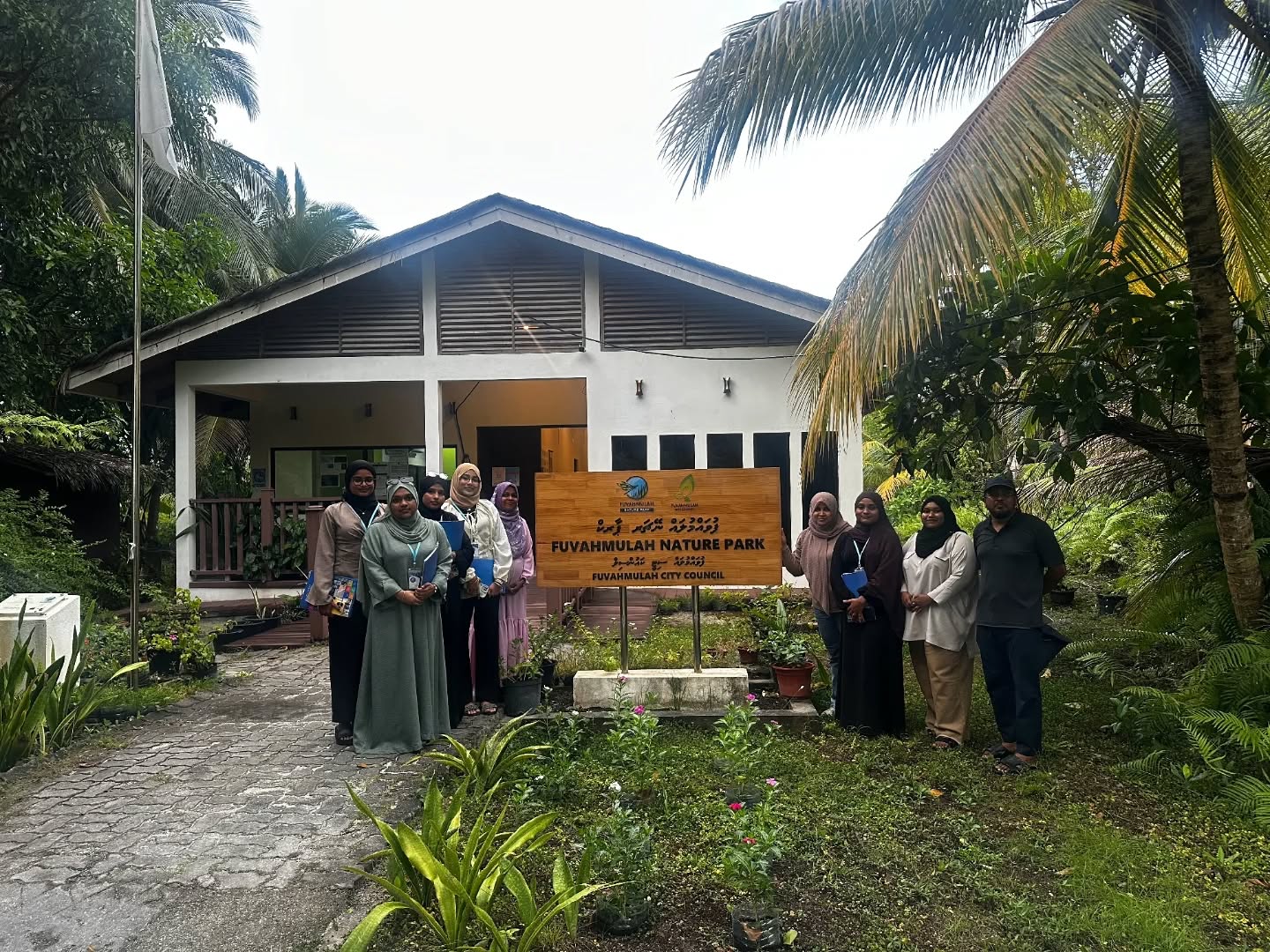
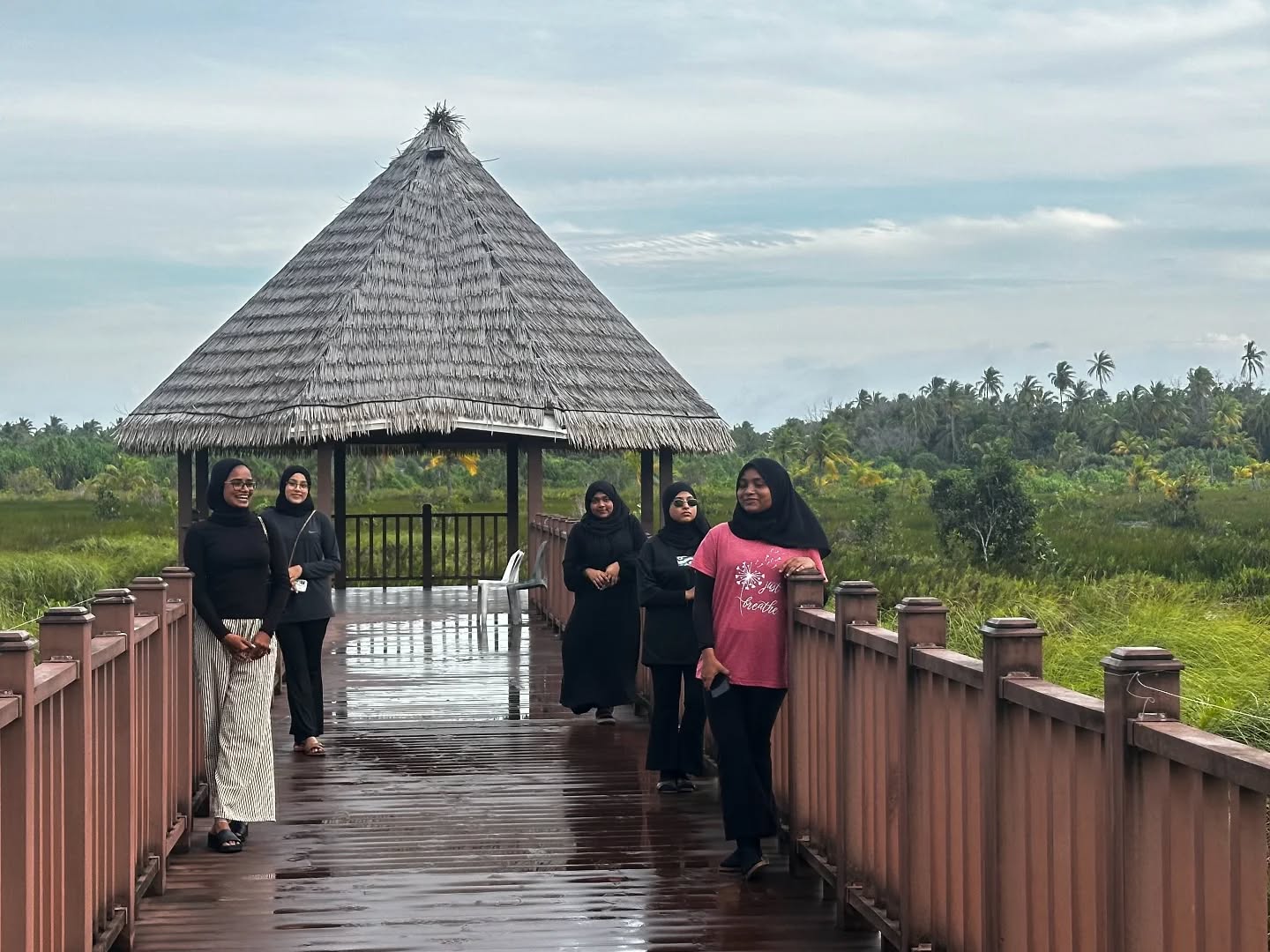
As part of the ECO219 – Development Economics course and its field-based group assignment, students visited Fuvahmulah City to examine real-world development challenges in a Small Island Developing State (SIDS). The visit provided opportunities to engage with local government officials, businesses, community organisations and residents while exploring tourism development, environmental management, infrastructure, employment and local governance.
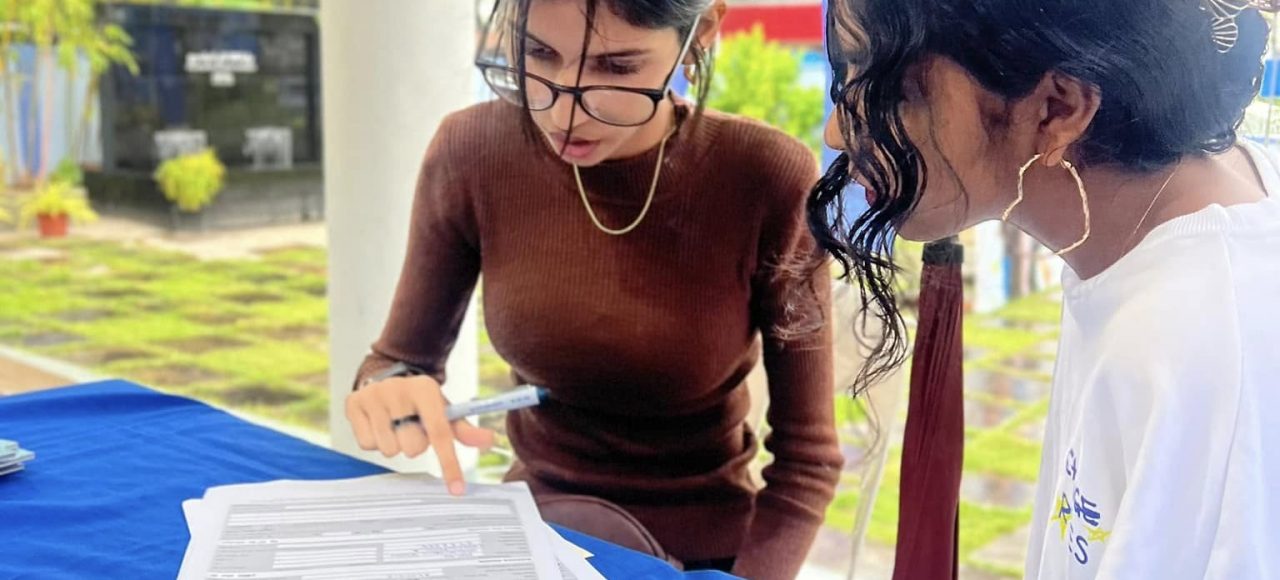
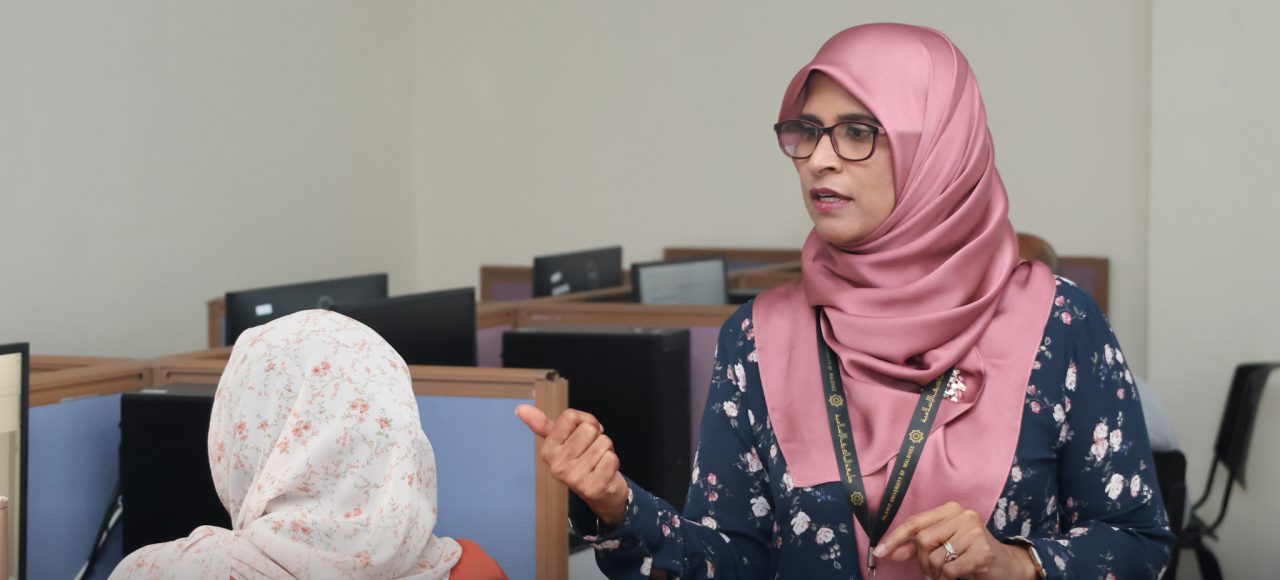
Through interviews, site observations and primary data collection, students examined how development policies are shaped and implemented through interactions between the market, government and civil society. The experience strengthened their analytical and critical thinking skills by applying development economics theories to practical contexts and developing evidence-based policy recommendations.
Organised by MNUBS Economics lecturers, the visit involved 2 staff members and 5 students from the Department of Business Management (DOBM). Student feedback indicated that the experience was well received, particularly for enhancing their understanding of policy, governance and sustainable development in the Maldivian context.
The field visit contributed to SDG 4: Quality Education (Target 4.7) through experiential and field-based learning; SDG 8: Decent Work and Economic Growth (Target 8.3) by exploring productive activities, entrepreneurship, innovation and sustainable local economic growth; SDG 11: Sustainable Cities and Communities (Targets 11.3 and 11.A) through its focus on participatory planning and sustainable urban development; and SDG 17: Partnerships for the Goals (Targets 17.16 and 17.17) by fostering collaboration among the university, local government, businesses and civil society.