MNU Strengthens Commitment to Reducing Plastic Pollution Through University-Wide Policy
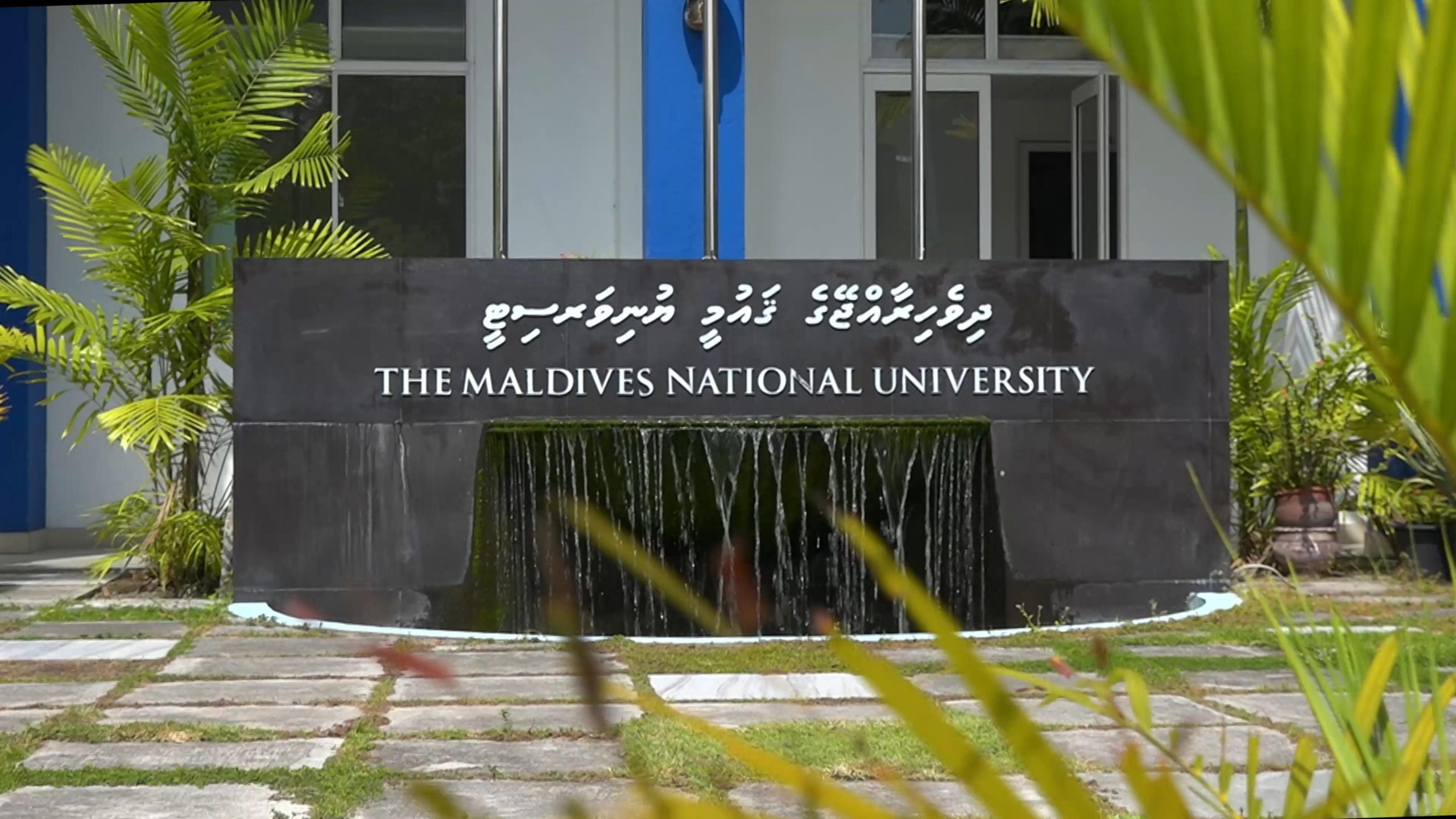
The Maldives National University (MNU) has strengthened its commitment to environmental sustainability and marine ecosystem protection through the adoption of its Policy on Minimising Plastic Use, Climate Action Plan. The policy establishes a university-wide framework to reduce plastic consumption, prevent plastic waste generation, and minimise the risk of plastic pollution entering coastal and marine environments.
The policy provides a structured approach to reducing avoidable single-use plastics across MNU’s teaching, research, administration, procurement, events, and campus operations. It prioritises waste prevention, responsible consumption, and the use of reusable and durable alternatives, while strengthening existing measures to minimise disposable plastics.
Key measures include reducing the use of single-use plastic bottles, straws, cups, cutlery, shopping bags, and unnecessary packaging. The policy also promotes reusable drinking bottles and water-refill arrangements, environmentally responsible procurement, reduced plastic use at university events, and appropriate waste segregation and recycling where suitable facilities are available.
The policy extends to students, staff, contractors, vendors, and service providers, encouraging shared responsibility for reducing plastic waste throughout university operations. It also provides for environmental awareness and educational activities to strengthen understanding of plastic pollution and its impacts on marine ecosystems.
Recognising the importance of long-term institutional accountability, MNU has established provisions for monitoring and reporting progress in plastic reduction, including reviewing procurement practices, single-use plastic consumption, refill arrangements, and waste-management practices. The University also aims to build on its experience in marine litter prevention, including lessons from the Prevention of Marine Litter in the Lakshadweep Sea (PROMISE) project.
Through this institutional policy, MNU has established a framework for translating its sustainability commitments into operational practices that can help prevent land-based plastic waste from reaching the marine environment. The initiative reinforces the University’s role in promoting responsible consumption, environmental stewardship, and the protection of the Maldives’ marine biodiversity.