The Maldives National University (MNU) promotes equitable access to higher education through fair and transparent admissions, career guidance, foundation and pathway programmes, and English language support. University-funded scholarships, including full and tuition fee scholarships, help reduce financial barriers to study. Through its Education for All initiative, MNU also supports students with disabilities by facilitating reasonable adjustments, examination accommodations and other assistance based on individual needs. These initiatives expand educational opportunities, address barriers faced by underrepresented groups and contribute to Sustainable Development Goal 10: Reduced Inequalities.
Widening access to higher education
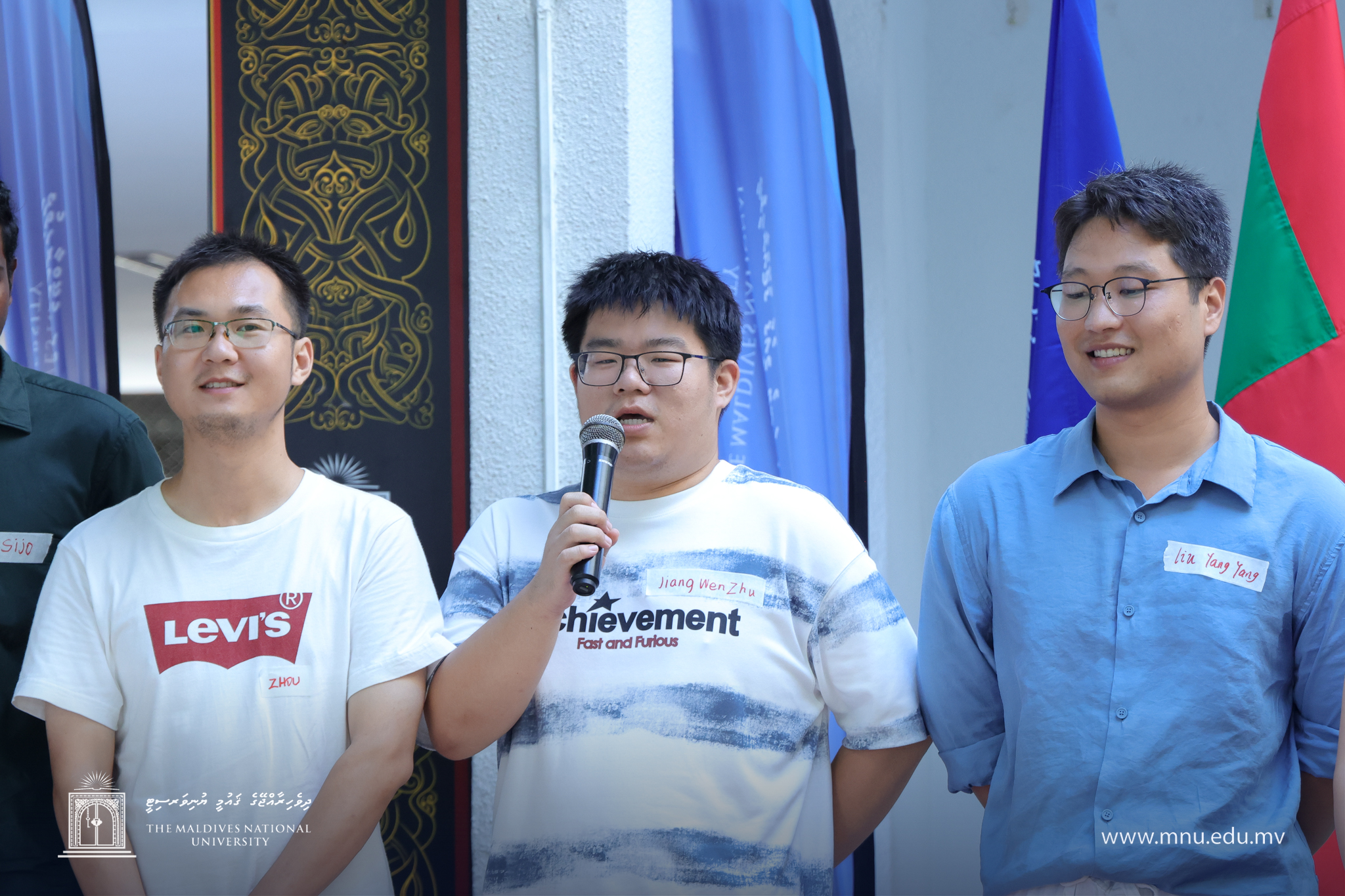
MNU conducts career guidance and one-stop admission activities to help prospective students understand available programmes, entry requirements, career pathways, tuition fees and application procedures. These activities provide personalised guidance and practical assistance to applicants navigating the admissions process. In particular, MNU visited Geographically disadvantaged area of the Maldives under its intiative FAHI MNU Atoll visits to reachout to provide career guidance and educational opportunities within MNU.
The University also offers foundation and pathway programmes that help students meet the entry requirements for further education. English language support through the English for Further Studies programme provides an additional route for students who need to develop their language skills before progressing to further study.
Reducing financial barriers
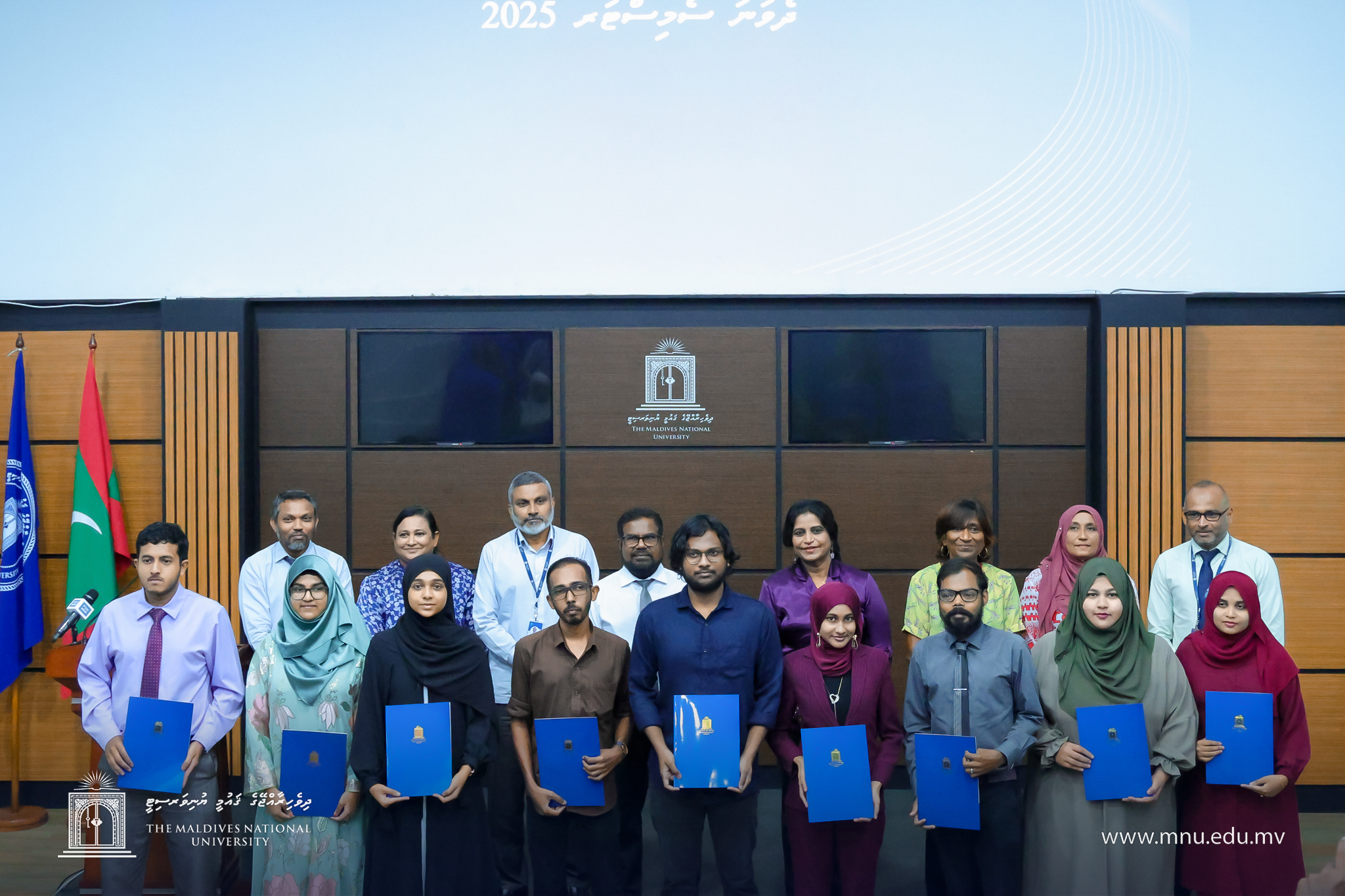
MNU provides university-funded scholarships, including full scholarships, tuition fee scholarships and special awards. Full scholarships cover programme fees and include a stipend, while tuition fee scholarships cover eligible course fees. These schemes help students access higher education and ease the financial burden of university study.
Supporting students with disabilities
Through its Education for All initiative, MNU provides a framework for students with disabilities to request reasonable adjustments and examination accommodations. Depending on individual requirements and applicable policy provisions, support may include adjustments to assessment arrangements, facilities or services, and financial assistance. These measures help promote equitable participation in university education.
Through these admissions, pathway, scholarship and disability-support initiatives, MNU contributes to reducing barriers to higher education and expanding opportunities for learners in the Maldives, in alignment with SDG 10: Reduced Inequalities.
2025 enrolment data
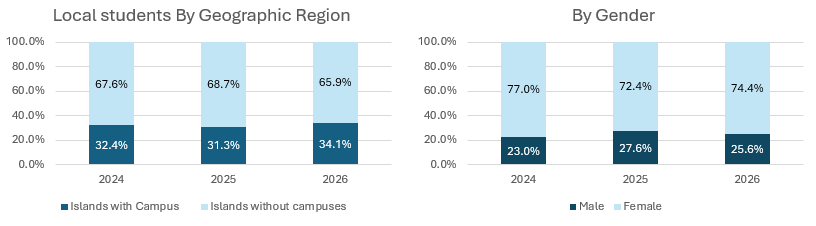
These monitoring extracts show enrolment proportion for Geographically disadvantaged students and women in 2024-2026. The 2025 figures are primary; 2024 and 2026 are shown for context only.
Figure 1: Undergraduate enrolment proportions by equity group, 2024-2026
Figure 1 illustrate the geographical and gender distribution of local students at MNU from 2024 to 2026. Geographically, approximately 66–69% of students consistently come from islands without an MNU campus, while 31–34% are from islands with a campus. This demonstrates the University’s reach beyond its campus locations and its role in expanding access to higher education across the country.
In terms of gender distribution, female students consistently account for the majority, representing approximately 72–77% of local students during the period, while male students account for 23–28%. These figures provide an overview of student representation across geographical regions and gender, highlighting the importance of maintaining equitable access and encouraging broader participation in higher education.
These trends demonstrate MNU’s contribution to reducing geographical barriers to higher education and provide an evidence base for monitoring gender and regional representation, identifying potential disparities, and strengthening inclusive access to educational opportunities.