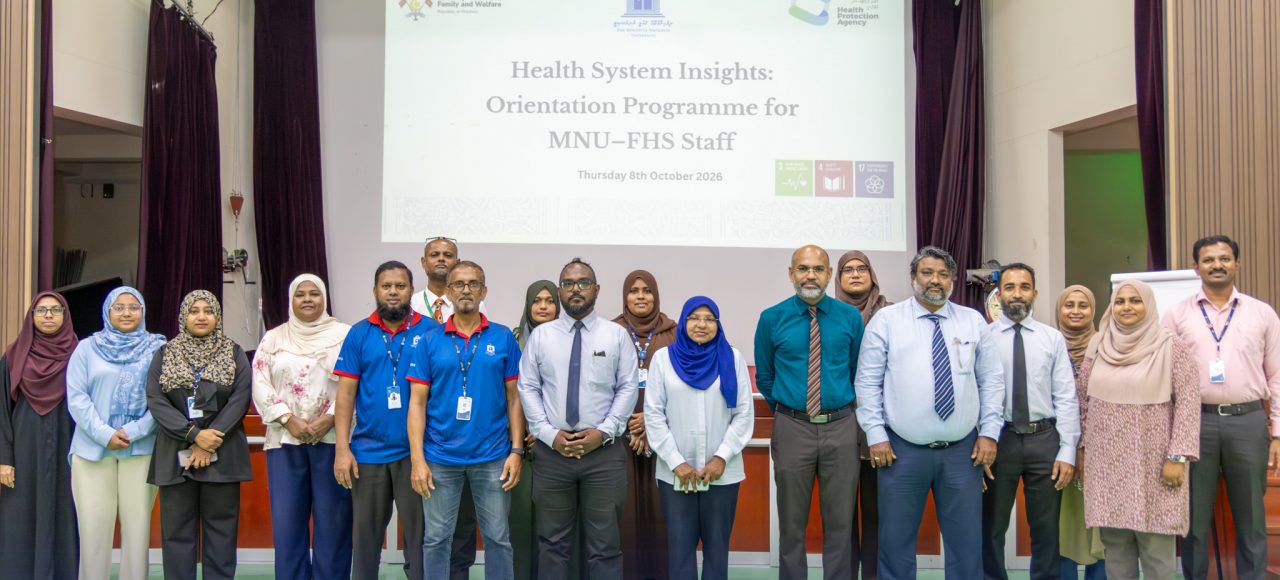
Fifteen staff members from The Maldives National University (MNU) participated in an Australia Awards Fellowship from 20 June to 3 July 2025, undertaking an international study programme focused on advancing health professions education in the Maldives.
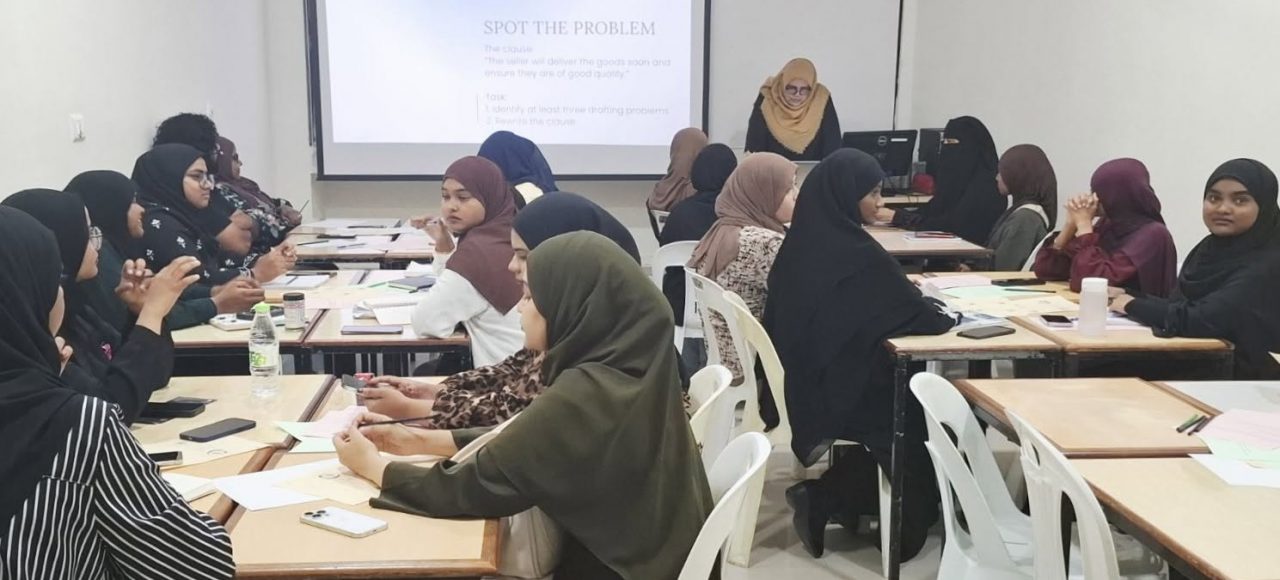
The programme included a series of interactive workshops hosted by Flinders University in Australia, where participants explored contemporary approaches to teaching, learning and educational leadership. Key areas included principles of health professions education, information and communication technology (ICT) and artificial intelligence (AI) in learning, self-regulated learning, goal setting and reflection, learning theories, curriculum design, and leading educational change.
Through engagement with experienced educators and clinicians, participants examined evidence-based teaching approaches and the potential application of digital innovations within health professions education. Exposure to different healthcare systems, including rural and remote service models, also broadened participants’ perspectives on equitable healthcare delivery and provided insights relevant to curriculum development in the Maldivian context.
A significant component of the fellowship was participation in the Australia and New Zealand Association for Health Professions Education (ANZAHPE) Conference in Perth, Western Australia. MNU staff attended masterclasses, symposia, PeArLS sessions, and oral and poster presentations showcasing current research, innovative educational practices and emerging developments in health professions education.
Participation in the conference also enabled MNU staff to connect with health professions educators and researchers from different countries, facilitating knowledge exchange and creating opportunities for future academic engagement and collaboration.
The fellowship enhanced participants’ knowledge of contemporary educational practices and provided practical perspectives that can inform teaching, curriculum development and academic leadership at MNU. The experience also encouraged the thoughtful integration of digital technologies and evidence-based approaches into health professions education.
The programme contributes to **Sustainable Development Goal (SDG) 4: Quality Education** through the professional development of health professions educators and **SDG 17: Partnerships for the Goals** through international academic engagement, knowledge exchange and professional networks.