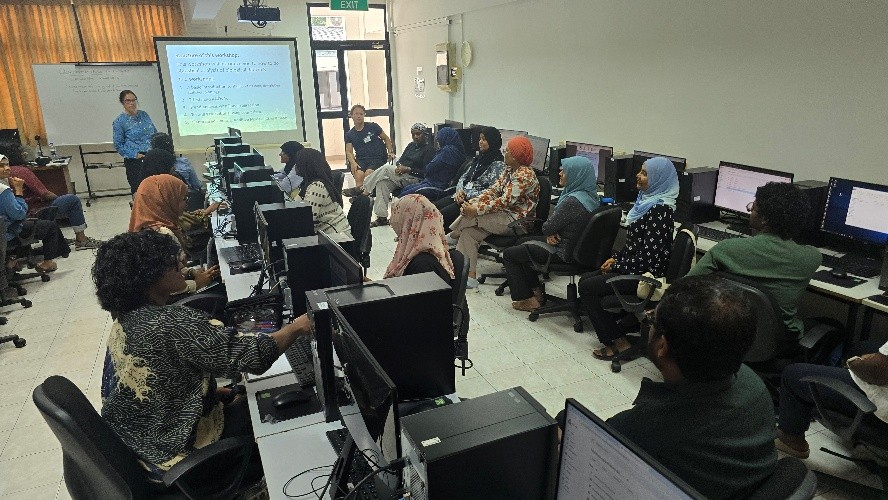
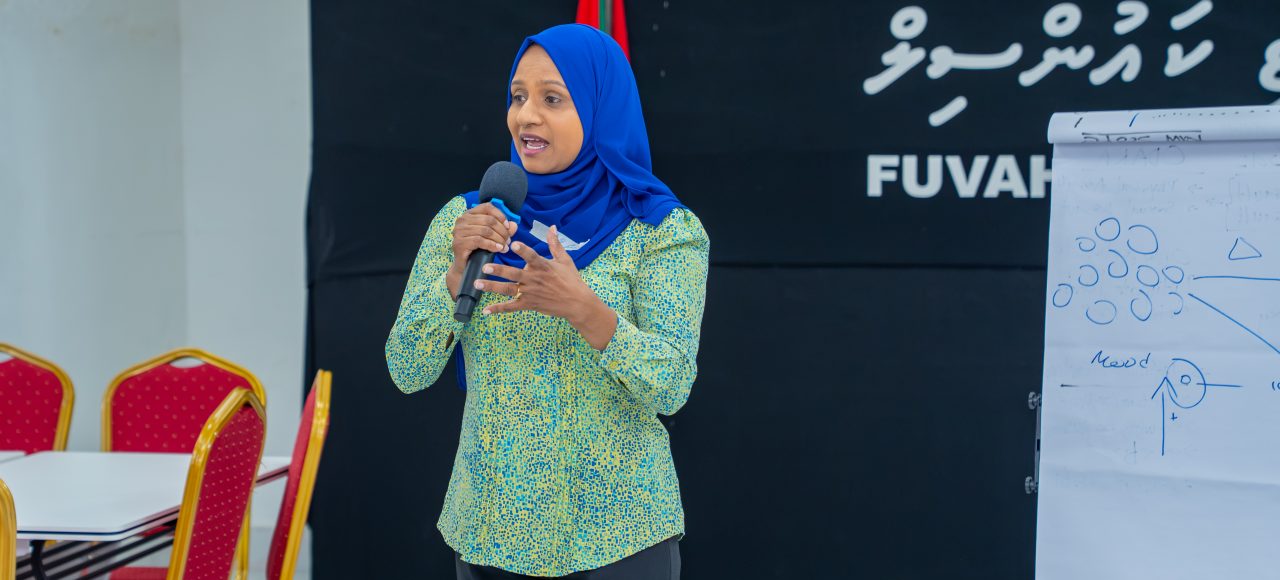
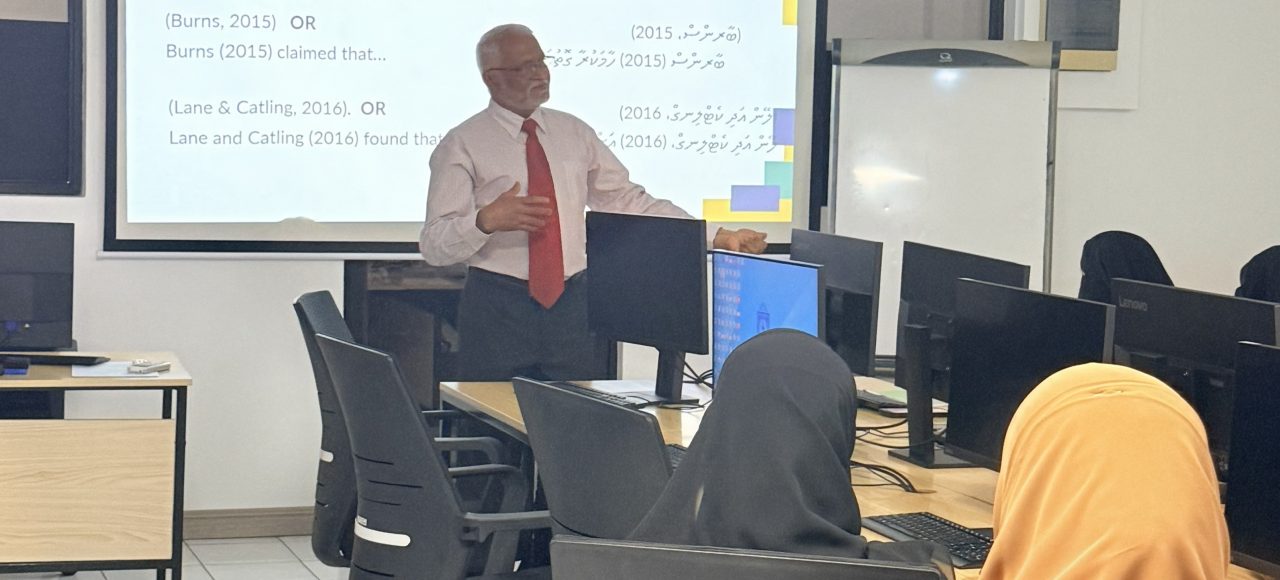
A workshop on Quantitative Skills for Ecologists was conducted to equip participants with the statistical tools needed to analyse biological data and answer critical conservation questions. The workshop emphasized that knowing how to analyse data to understand where, when, and how many animals there are in a population is important for conservation and wildlife management. Combining statistics with biological knowledge can help researchers design effective surveys for these animals, and the course introduced some of the methods used to design wildlife surveys and how data collected on these surveys can be analysed.
The course comprised two main topics. The first, Basic Statistics, provided participants with the tools for anyone working in biology or ecology to know how to design surveys or experiments, handle and manage data, and analyse data using statistical methods in R. Statistical tests covered included a range of methods from ANOVAs and linear regression through to Generalised Linear and Additive Models (GLMs/GAMs) or multivariate analysis. The second topic, Estimating Animal Abundance, covered a basic introduction to estimating animal abundance using distance sampling. The course also gave insight into how statistical methods are applied directly to answer animal conservation and management questions.
The workshop forms part of ongoing efforts to strengthen quantitative capacity among marine and environmental scientists in the Maldives, supporting evidence-based approaches to wildlife management and conservation. The workshop was organized by Dr. Clare B. Embling an Associate Professor at the University of Plymouth.