MNU Strengthens Marine Conservation and Sustainable Resource Management Through National Rangers Training Programme
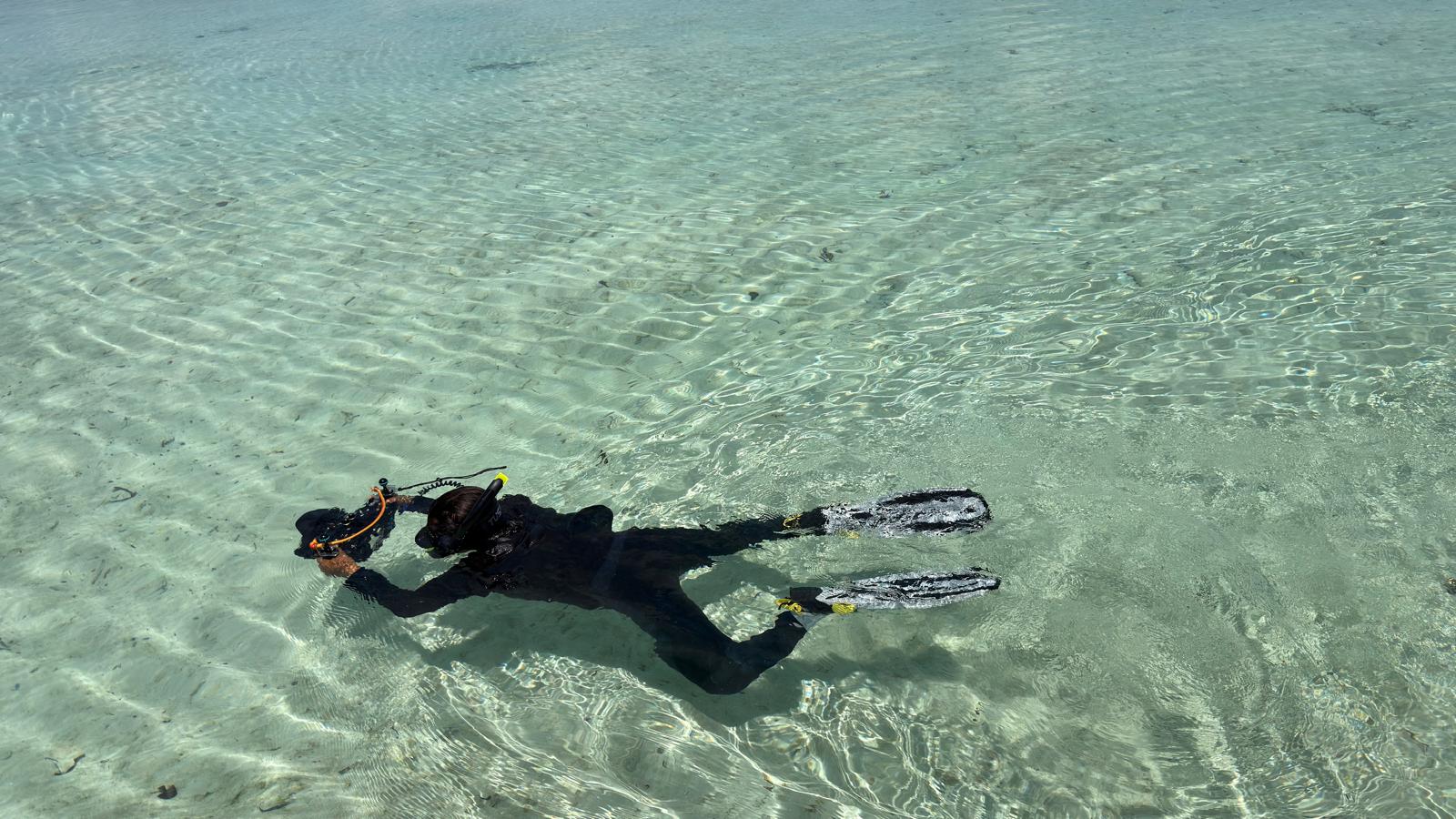
The Maldives National University (MNU), through its College of Fisheries and Ocean Sciences (CFOS), successfully conducted the Maldives’ first Rangers Training Course at its Laamu Gan campus, contributing to national efforts to strengthen protected area management, marine biodiversity conservation, and the sustainable utilisation of natural resources. The programme was implemented under the ENDhERI Project through a collaborative agreement between MNU and the Ministry of Tourism and Environment.
A total of 17 participants graduated from the 12-week training programme, which was designed to develop the knowledge and practical skills required for effective conservation and management of protected areas in the Maldives. The training combined theoretical instruction with practical fieldwork, covering environmental science, environmental legislation and enforcement, community engagement, environmental awareness, basic computing skills, and maritime navigation.
The programme addressed an important national need for qualified conservation personnel capable of supporting the management of the Maldives’ network of more than 90 designated protected areas. For marine and coastal protected areas, effective management is essential to safeguarding coral reefs, marine habitats, and biodiversity while ensuring that human activities and resource utilisation remain compatible with conservation objectives. The training provided participants with foundational competencies relevant to environmental monitoring, compliance, community engagement, and responsible management of protected ecosystems.
At the certificate awarding ceremony, Dr Ahmed Riyaz Jauharee, Dean of CFOS, and Hassaan Mohamed, Deputy Minister of Tourism and Environment, highlighted the importance of strengthening the national ranger workforce to improve protected area management and support long-term environmental sustainability.
Building on the completion of the first cohort, MNU is planning to expand ranger training opportunities to other regions and develop a Certificate Level 4 qualification titled “Advanced Certificate in Protected Areas Management and Ranger Training.” This proposed programme aims to establish a structured professional development pathway for conservation personnel and strengthen national capacity for managing protected marine, coastal, and terrestrial environments.
Through this initiative, MNU contributes to the conservation and sustainable utilisation of the oceans by strengthening the human capacity needed to manage protected areas, support conservation compliance, engage local communities, and promote responsible use of marine and coastal resources. The programme demonstrates the University’s role in translating environmental education into practical conservation capacity and supporting national efforts towards sustainable ocean governance.
MNU Contributes to National Fisheries and Ocean Resource Planning Through Stakeholder Consultations
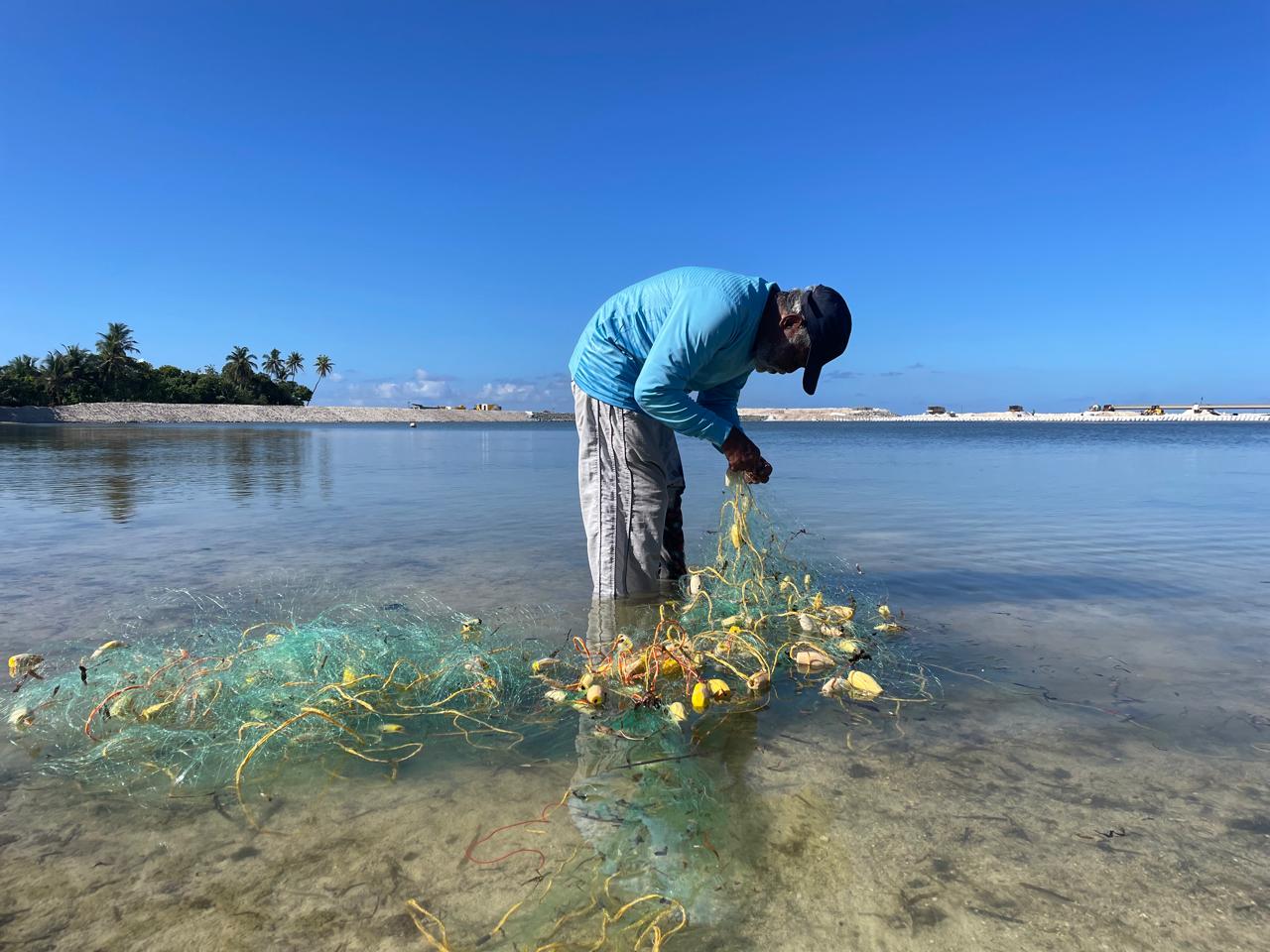
The Maldives National University (MNU), through its College of Fisheries and Ocean Sciences (CFOS), contributed to national efforts towards the conservation and sustainable utilisation of ocean resources through its involvement in stakeholder consultations for the Maldives’ National Development Plan (NDP) 2045. Dr. Ahmed Riyaz Jauharee, Dean of CFOS, facilitated fisheries sector roundtable discussions organised by Nexia Maldives as part of the country’s long-term national development planning process.
The roundtable discussions brought together stakeholders from the fisheries sector to identify development priorities, emerging challenges, and opportunities for strengthening the sustainable management and utilisation of fisheries and marine resources over the next two decades. The consultations provided a platform for incorporating sectoral expertise, stakeholder perspectives, and practical knowledge into national policy discussions, with particular attention to fisheries development, ocean resource management, economic diversification, and long-term sustainability.
The consultations formed part of the broader National Development Plan 2045, which adopts a participatory and evidence-informed approach to establishing the Maldives’ long-term development priorities. The national consultation process included 20 sectoral roundtables covering 62 thematic areas, with fisheries and ocean resources identified as important components of economic diversification and sustainable development.
The discussions also complemented the broader national policy agenda, including the Ministry of Fisheries and Ocean Resources’ Fisheries and Ocean Resources 20-Year Master Plan (2025–2045), which seeks to establish strategic priorities for the sector through engagement with government institutions, industry representatives, private sector organisations, and civil society stakeholders.
Through the facilitation of these discussions, MNU contributed academic expertise to national policy dialogue and supported the integration of stakeholder perspectives into long-term fisheries and ocean resource planning. The engagement highlights the importance of collaboration between universities, government institutions, industry stakeholders, and fishing communities in developing approaches that balance economic opportunities with the conservation and sustainable use of marine resources.
MNU’s participation demonstrates the University’s role in supporting evidence-informed ocean governance, participatory fisheries planning, and sustainable marine resource management. By contributing to national development consultations, the University supports the development of strategic frameworks that can inform future policies and initiatives for responsible ocean resource utilisation in the Maldives.
MNU Promotes Ocean Conservation and Sustainable Marine Resource Use Through School Awareness Programme
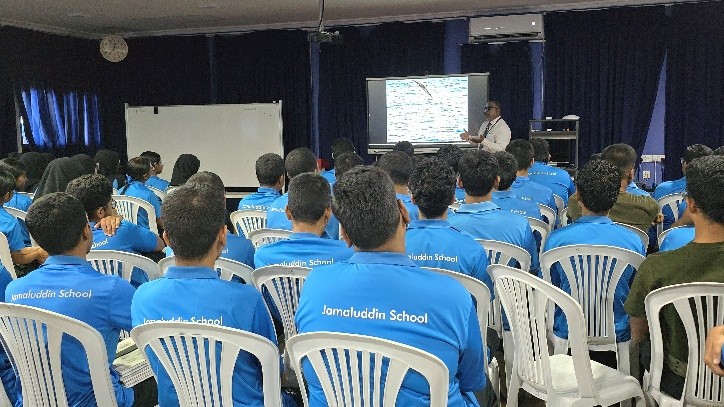
The Maldives National University (MNU), through its College of Fisheries and Ocean Sciences (CFOS), conducted a marine conservation awareness session for students at Jamaaludheen School, contributing to efforts to promote ocean literacy, marine biodiversity conservation, and the sustainable utilisation of marine resources. The session formed part of the school’s educational exposure activities and aimed to strengthen students’ understanding of the importance of protecting the Maldives’ marine and coastal ecosystems.
During the session, CFOS academics introduced students to fundamental concepts in marine science, including the ecological functions of coral reefs, the importance of marine biodiversity, and the role of healthy marine ecosystems in supporting fisheries, livelihoods, and environmental sustainability. Discussions also addressed major threats affecting Maldivian marine environments, including coral bleaching, marine pollution, habitat degradation, and overfishing, highlighting the need for conservation and responsible utilisation of ocean resources.
The interactive session encouraged students to engage with scientific concepts, ask questions, and reflect on how everyday activities and human pressures influence marine ecosystem health. By connecting classroom learning with the Maldives’ marine environment, the programme helped raise awareness of the importance of responsible environmental practices and the role individuals and communities can play in safeguarding ocean resources.
The initiative contributed to developing environmental awareness and encouraging responsible marine stewardship among younger generations. Through engagement with school students, MNU supported the dissemination of marine scientific knowledge beyond the university and promoted greater understanding of the relationship between biodiversity conservation, sustainable resource use, and the long-term well-being of island communities.
The activity reflects MNU’s commitment to advancing marine science education, community outreach, and public awareness as important foundations for the conservation and sustainable utilisation of the oceans. By engaging young people in discussions on marine environmental challenges and conservation responsibilities, the University contributes to building the knowledge and awareness needed to support sustainable ocean management in the Maldives.