Paving the Way for Sustainable Campuses: How MNU Is Transforming Waste and Resource Management
As a small island nation on the frontlines of climate change and environmental vulnerability, the Maldives faces unique challenges in resource management and waste handling. Recognizing its key role as an educational institue, The Maldives National University (MNU) established the Waste Management and Hazardous Materials Disposal Policy (2026) to set a robust framework for environmental stewardship across all its campuses, laboratories, and facilities.
Central to this initiative is moving beyond standard disposal routines by establishing clear operational standards for waste minimisation, segregation, and hazardous material safety. From digitalizing administrative workflows to eliminate unnecessary paper waste to implementing strict protocols for handling chemical and e-waste, the university is embedding sustainability directly into daily operations.
Strengthening Monitoring and Measuring Environmental Performance
A core pillar of MNU’s policy is building accountability through continuous monitoring and tracking. To ensure policy goals lead to measurable environmental outcomes, MNU aims to strengthen its monitoring systems across several key operational areas:
-
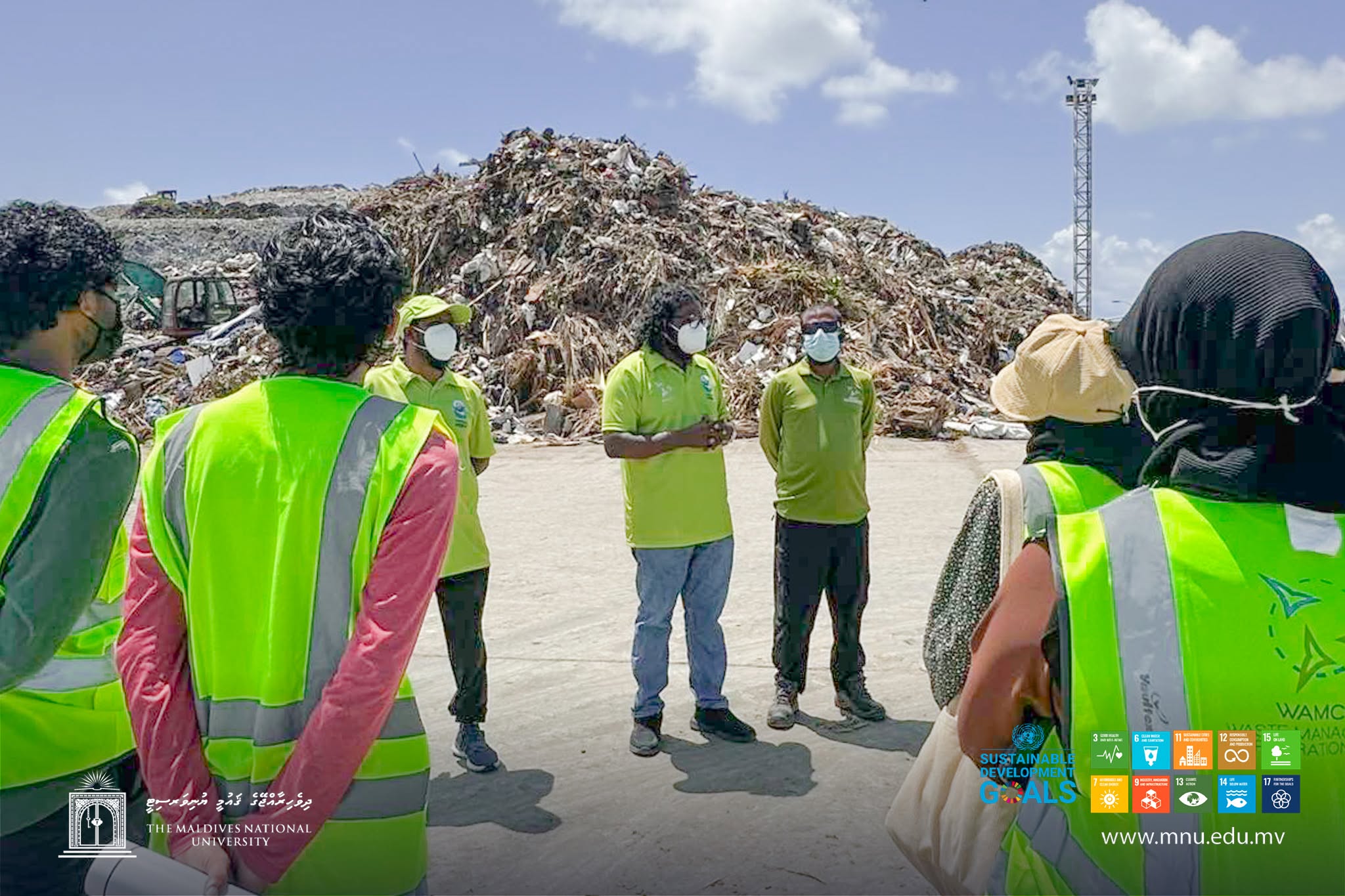
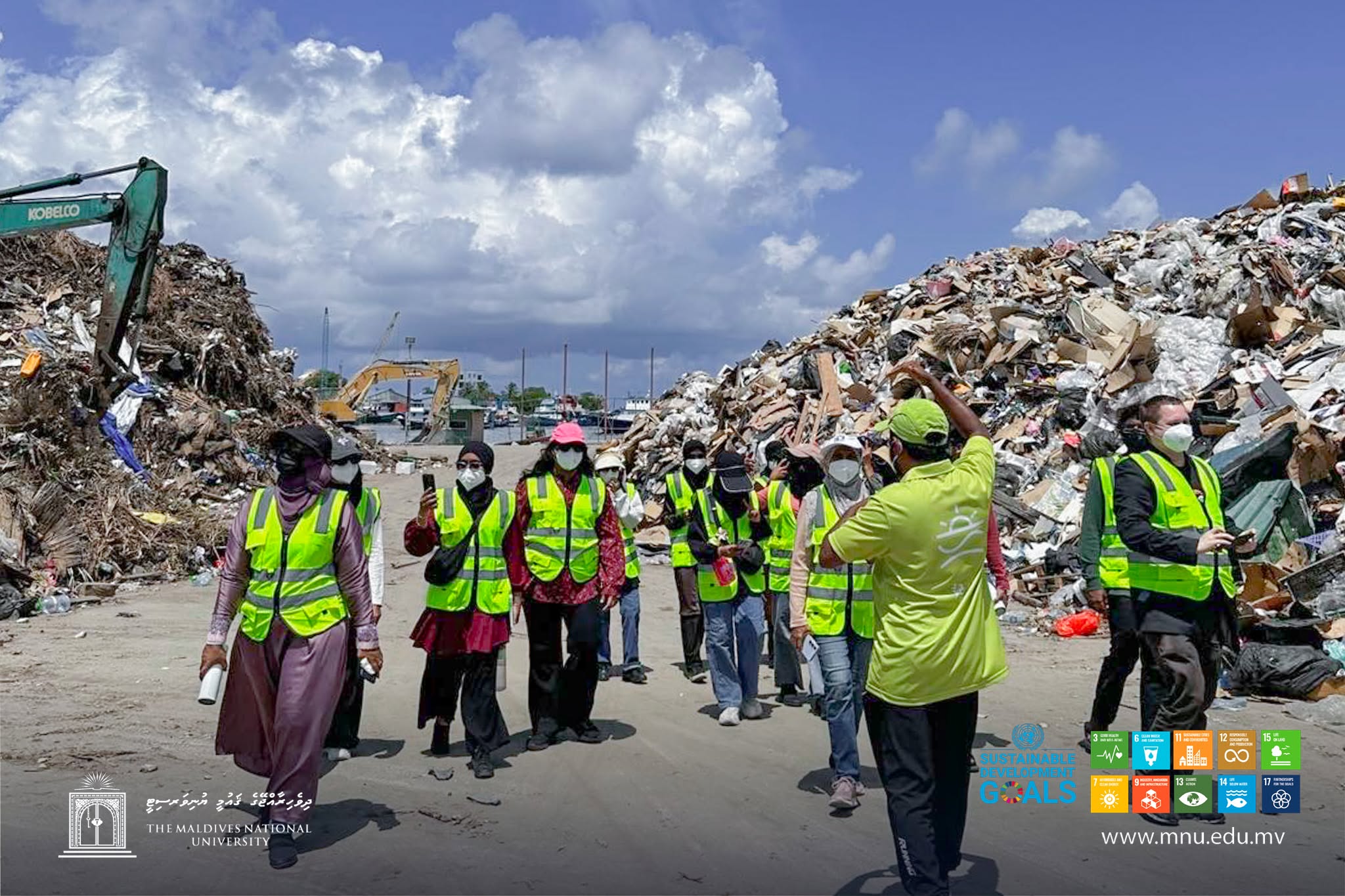
Systematic Waste Audits & Inspections: Campus administration and safety personnel conduct regular inspections of waste collection points, storage facilities, and laboratories. These audits track waste segregation accuracy at the source and ensure full compliance with biosafety and hazardous material handling standards.
-
Traceability and Digital Record-Keeping: To monitor hazardous materials, chemical residues, and biological waste, designated officers maintain detailed logs of generation, temporary storage, transport, and final disposal. This documentation ensures complete traceability and compliance with national environmental regulations.
-
Periodic Policy Reviews: MNU’s sustainability policy mandates a formal review cycle every three years (or sooner if national environmental regulations or recycling technologies evolve). Monitoring data and incident reporting feed directly into these reviews, ensuring environmental performance targets are continuously updated and refined.
By combining proactive waste reduction with data-driven monitoring, The Maldives National University is not only protecting local terrestrial and marine ecosystems but also modeling sustainable resource management for the wider community.