The Maldives National University recognises the role that higher education, skills development, research and entrepreneurship can play in expanding opportunities and addressing barriers associated with poverty. MNU contributes to Sustainable Development Goal 1 through its student-support frameworks, scholarship policies, educational opportunities, community engagement and initiatives that encourage innovation and enterprise. This work is supported by university policies and can be strengthened through systematic monitoring, research and transparent reporting.
At MNU, we operationalize UN Sustainable Development Goal 1 (No Poverty) by addressing poverty as a multi-dimensional structural challenge rather than a simple income deficiency—an approach grounded in the Maldives Multidimensional Poverty Index (MMPI) to target intersecting deprivations such as geographical isolation across the atolls, digital exclusion, health disparities, and restricted access to higher learning. Codified through the MNU Equity, Access, Student Success, and Inclusion Policy, our institutional framework transforms the campus into an equity-driven ecosystem that breaks intergenerational poverty through alternative admission pathways and regional campus access, alleviates material deprivations via scholarships, emergency aid, subsidized housing, and affordable nutrition, and systematically maps student support services across the MMPI dimensions of education, employment, health, living standards, digital access, and social participation to build long-term household and community resilience.
How the Policy Aligns with the MMPI & Current Action at MNU
|
MMPI Dimension Landing Page Summaries for the policies.docx
|
Policy Alignment Landing Page Summaries for the policies.docx
|
Operational Action & Ongoing Work at MNU MNU Student Support Services – Printable Quiz & Flashcards Study Guide+ 1
|
|
Education
|
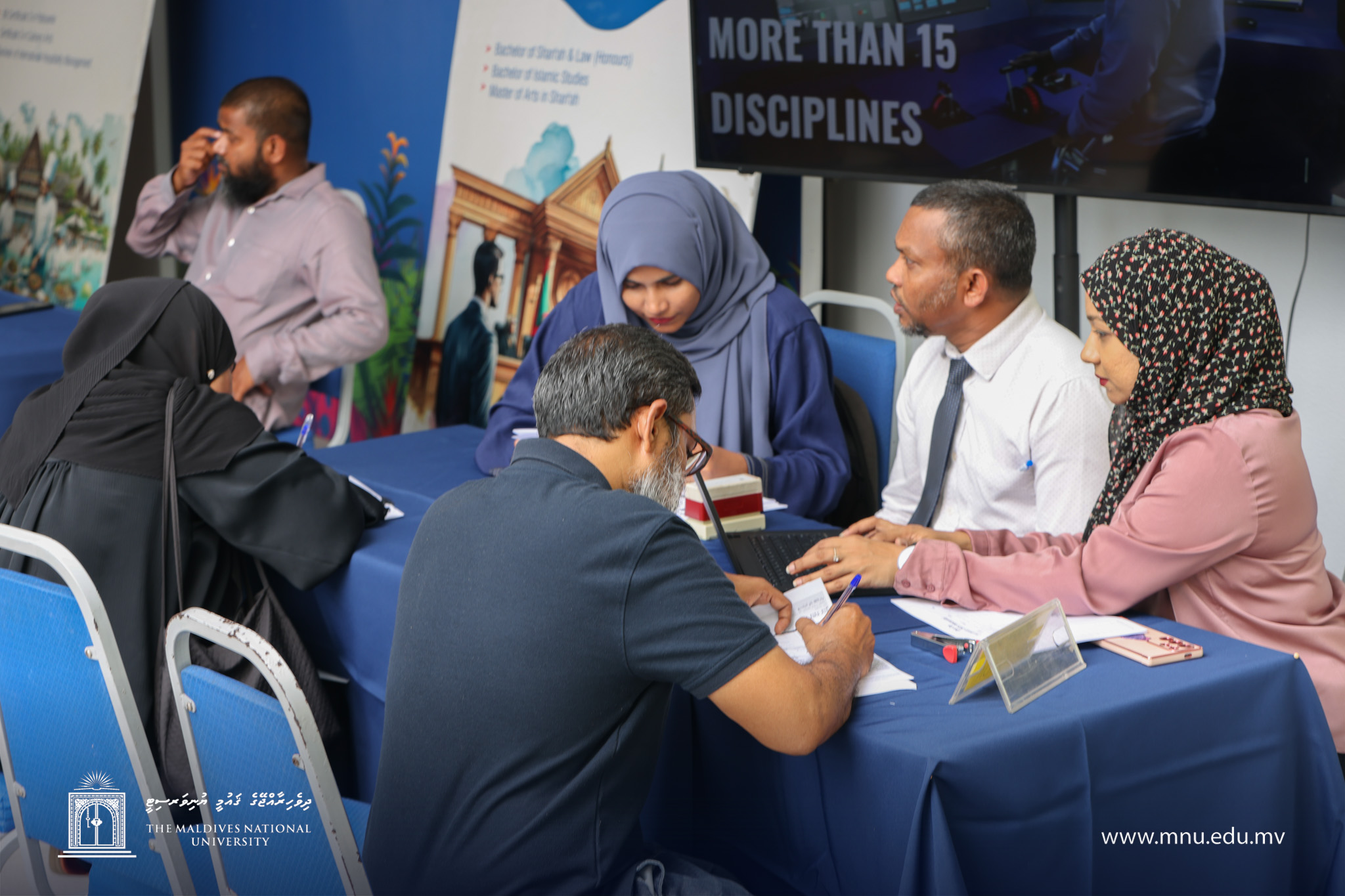
Equitable Entry & Lifelong Learning: Alternative admission pathways, flexible learning, and regional outreach across all atolls.
|
• Outreach across regional campuses (Gan, Hithadhoo, Kulhudhuffushi, Thinadhoo).
• Monthly Academic Skills Workshops (note-taking, writing, study planning).
• Fortnightly Student Support outreach for academic guidance.
|
|
Employment
|
Graduate Employability & Skills: Preparing students for meaningful livelihoods through career development and work-study.
|
• Work-study opportunities and paid student employment on campus.
• Industry-informed curricula, internships, and career coaching.
|
|
Living Standards & Material Relief
|
Financial & Housing Security: Reducing real economic barriers that force low-income students to drop out.
|
• Provisions for scholarships, bursaries.emegrncy funding help
• Flexible tuition fee installment plans.
• Subsidized student housing guided by the Dhanaal Policy.
|
|
Health & Basic Needs
|
Wellbeing & Food Security: Safeguarding mental/physical health and ensuring nutrition does not impede learning.
|
• First-response mental health and stress guidance via MNUwithU (MNUwithU@mnu.edu.mv).
• Reasonable adjustments under the Supporting Students with Disability Policy.
• Collaboration with vendors to secure affordable, nutritious campus meal options.
|
|
Digital Access
|
Bridging the Digital Divide: Technical literacy and infrastructure access for remote and low-income students.
|
• Comprehensive IT support covering email setup, Self-Service, and Moodle navigation.
• Centralized technical support ticketing via the IT Help Desk portal (helpdesk.mnu.edu.mv).
|
|
Social Participation
|
Inclusive Campus Community: Fostering leadership, volunteerism, and active student advocacy.
|
• Direct advocacy via Student Support Services (SSS) to resolve faculty/department issues.
• Volunteering, community outreach, and peer mentoring programs.
|
Policies supporting students
MNU publishes policies that govern student financial assistance, fees and student support. Relevant policies include:
These policies define the applicable framework and conditions for support. Students should consult the official policy documents for current eligibility criteria and procedures.
Education, opportunity and livelihoods
MNU contributes to expanding opportunities through student support, programmes across the Maldives, community engagement and employment-related activities. Through MNU InnovateHub, eligible student entrepreneurs can access a structured programme for developing ventures, including potential seed-capital support and mentorship.
Commitment to continuous improvement
MNU will continue to strengthen the evidence used to understand the reach and effectiveness of its activities. By reviewing policies, monitoring outcomes and sharing relevant research, the University can improve its contribution to inclusive educational and economic opportunities. Our approach recognises that higher education is one part of a wider response to poverty. MNU’s role is to expand access to knowledge, support student success, connect communities with opportunities and develop skills that can contribute to a more inclusive and sustainable Maldives.