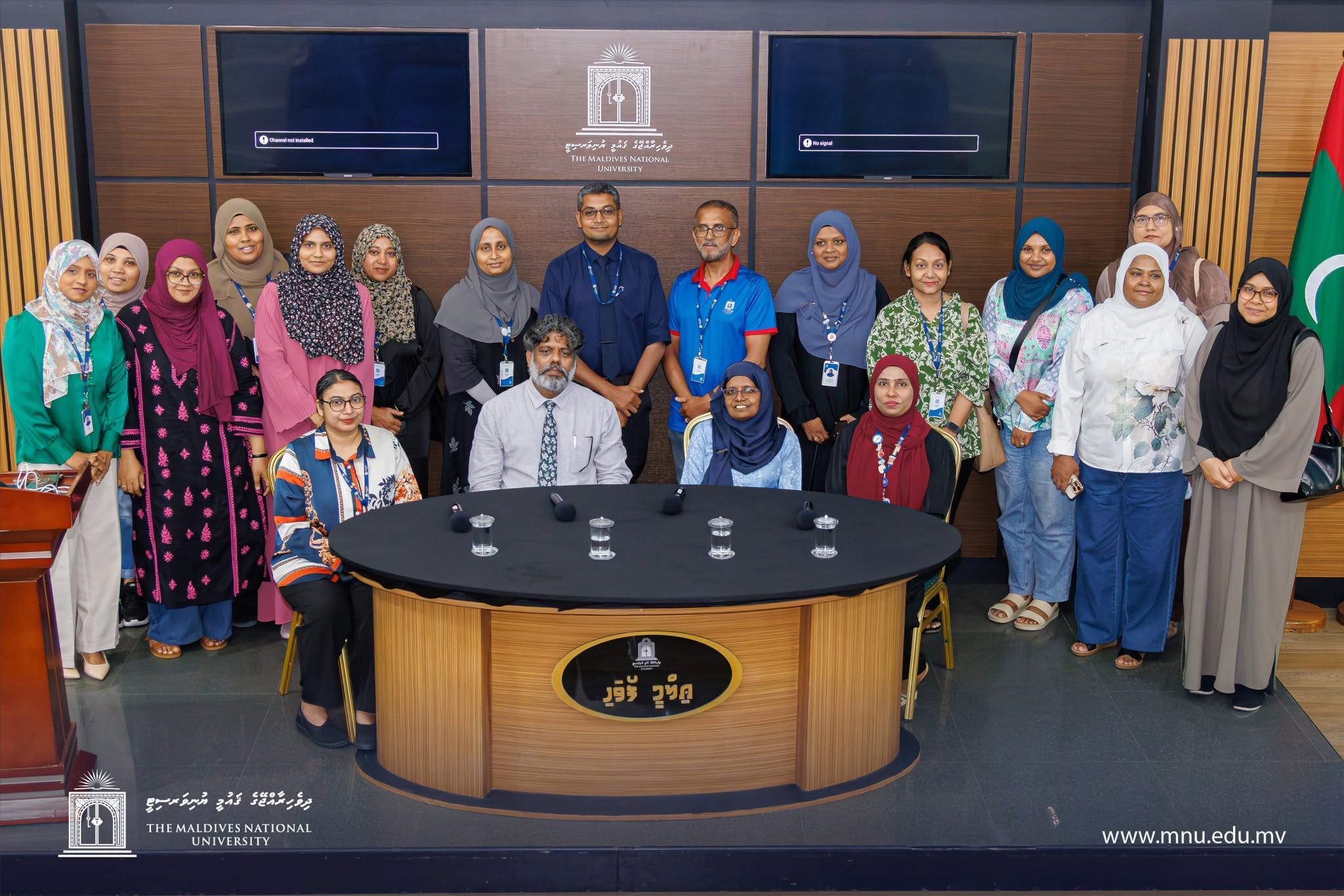
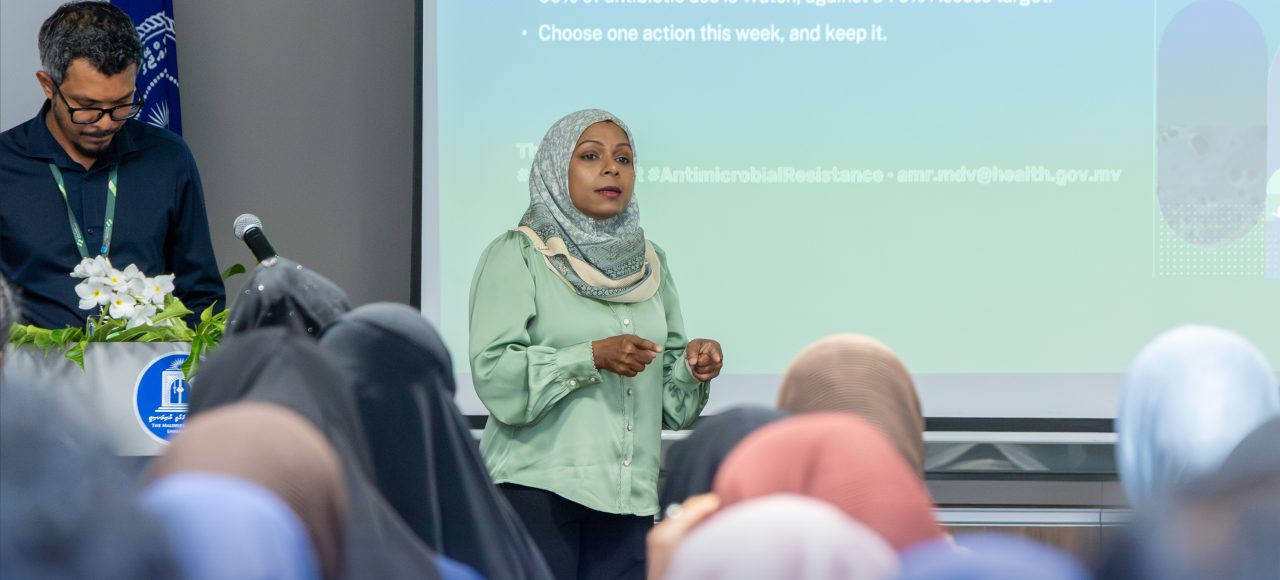
The Maldives National University (MNU) concluded its 2026 Ilmee Foavahi series with the seventh and final session, “Rethinking Food and Health: Food Sustainability & Mental and Physical Well-being,” held on 19th November 2026. Organised jointly by the Faculty of Health Sciences and the Faculty of Agriculture and Food Sciences, the forum advanced SDG 2 (Zero Hunger), SDG 3 (Good Health and Well-being), SDG 4 (Quality Education), SDG 11 (Sustainable Cities and Communities), SDG 12 (Responsible Consumption and Production), and SDG 17 (Partnerships for the Goals).
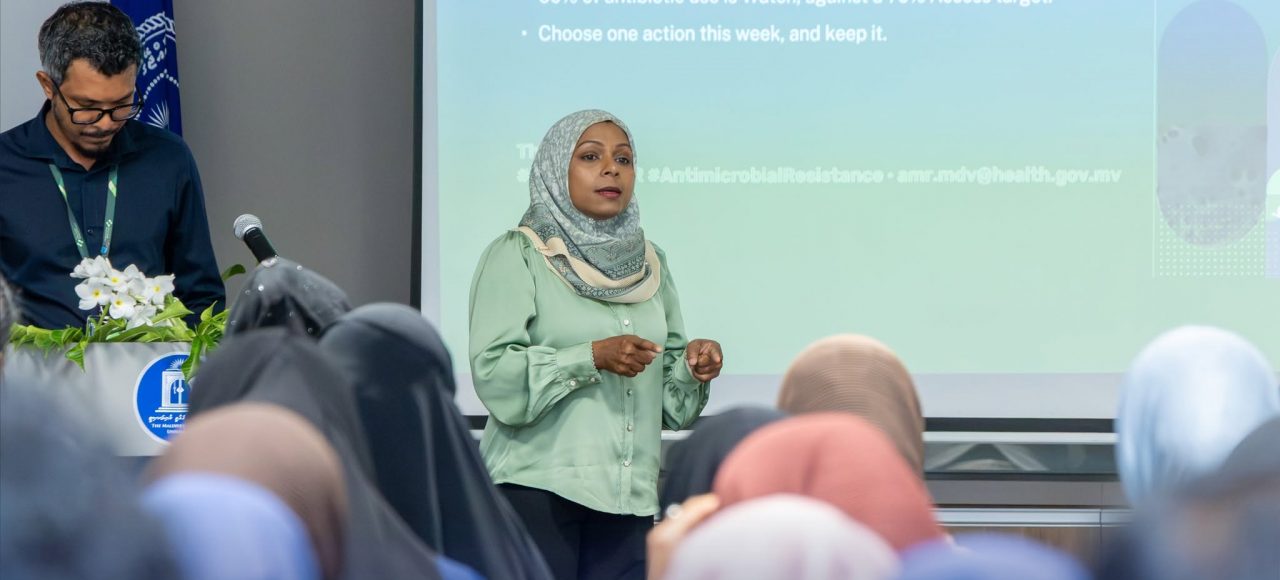
The session attracted 50 participants from the public, MNU staff, and students, reflecting MNU’s commitment to inclusive education and community engagement. Participants reported gaining substantial knowledge about the situation in the Maldives, with the question-and-answer session described as highly informative and engaging. The discussion highlighted current policies and outlined a way forward for improving accessibility, affordability, and multisectoral involvement in addressing food-related challenges, supporting SDG 4’s lifelong learning objectives and SDG 17’s multi-stakeholder collaboration approach.
The forum examined how food shapes physical and mental well-being beyond daily nutritional needs. The quality, variety, and nutritional value of food directly influence physical health, energy levels, immune functioning, and the prevention of non-communicable diseases, while nutrition also contributes to brain health, cognitive functioning, mood regulation, and emotional well-being. In the Maldives, heavy reliance on imported food, limited natural resources, climate change, and food security concerns underscore the urgent need for sustainable and resilient food systems. The session explored how sustainable food production, access to nutritious and affordable food, and responsible consumption contribute to healthier individuals and communities, aligning with SDG 2’s food security targets, SDG 3’s health goals, SDG 11’s sustainable communities’ vision, and SDG 12’s responsible consumption objectives.
The discussion considered opportunities to strengthen local food systems and promote healthier, more sustainable food choices, contributing to broader efforts to build food-secure, healthy, and resilient communities in the Maldives.
The participants stated that this final session exemplifies MNU’s dedication to addressing the interlinked challenges of food sustainability and public health through education, research, and community engagement. By bringing together experts, students, and the public, MNU is fostering the multisectoral dialogue needed to build sustainable food systems that support both physical and mental well-being across our communities.
MNU remains committed to advancing the Sustainable Development Goals through its research, teaching, and community engagement activities.