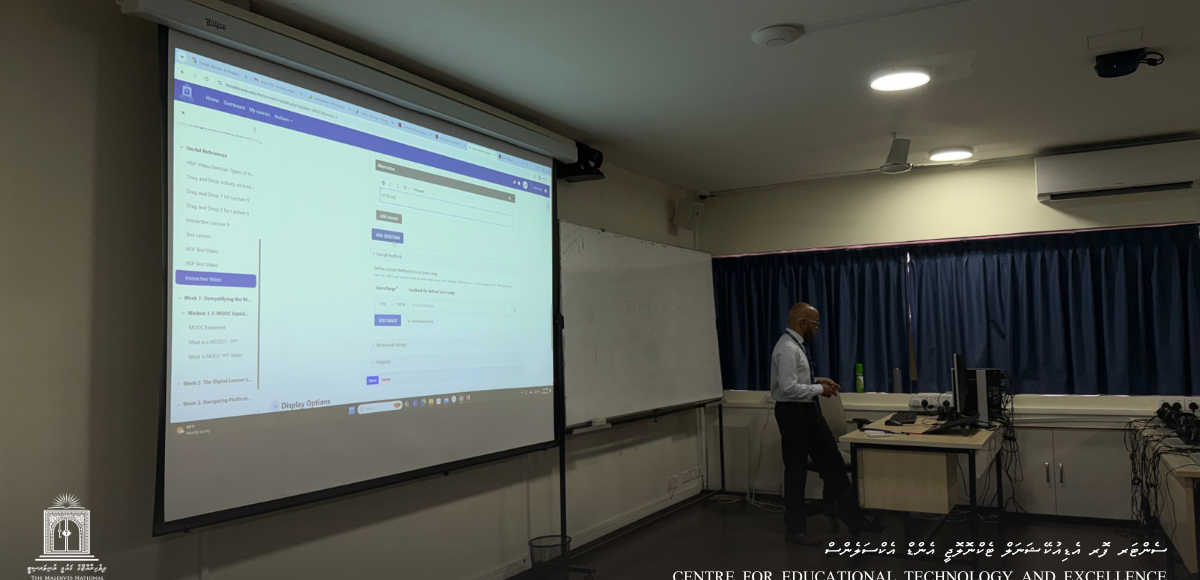
Efforts to strengthen academic integrity and ensure equitable learning opportunities took centre stage during a professional development training on “Marking and Moderation,” aimed at improving the fairness, consistency, and reliability of student assessments.
The training addressed a critical aspect of higher education quality assurance: ensuring that students are assessed against clear academic standards, regardless of who marks their work. It highlighted how differences in lecturers’ marking judgements can affect assessment outcomes and the importance of effective moderation in minimising such inconsistencies.
Throughout the session, academic staff explored approaches to applying assessment criteria consistently, reviewing marking decisions, and maintaining reliable standards across student groups and assessment periods. Particular attention was given to strengthening transparency and accountability in assessment practices while safeguarding the credibility of academic results.
The programme also encouraged lecturers to critically examine their own marking practices and engage in collaborative moderation to support more balanced, evidence-based academic judgements. Such practices are essential to creating an inclusive educational environment where students have fair opportunities to demonstrate their knowledge, skills, and learning achievements.
Beyond improving individual assessment practices, the training highlighted the broader role of continuous professional development in strengthening institutional quality assurance and fostering a culture of academic excellence.
By advancing equitable access to quality education, inclusive learning, professional capacity development, and transparent institutional practices, the initiative reinforced the importance of fair assessment systems in supporting student success and maintaining confidence in higher education standards.