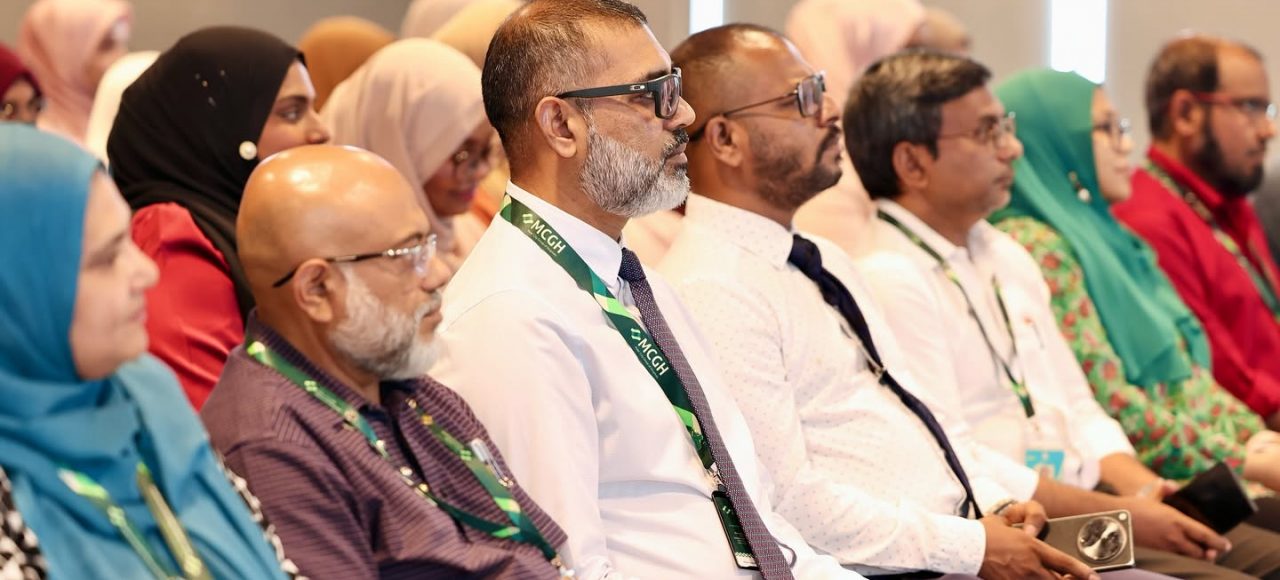
The Maldives, comprising approximately 1,190 coral islands with a population of about 457,900, is one of the countries most vulnerable to climate change. Rising sea levels, coastal flooding, and extreme weather threaten its environment, economy, and livelihoods. The nation relies heavily on tourism, agriculture, and fisheries, all of which are highly sensitive to climate-related impacts. The COVID-19 pandemic further highlighted the need to diversify the economy and strengthen local food production, as around 90% of the country’s food is imported.
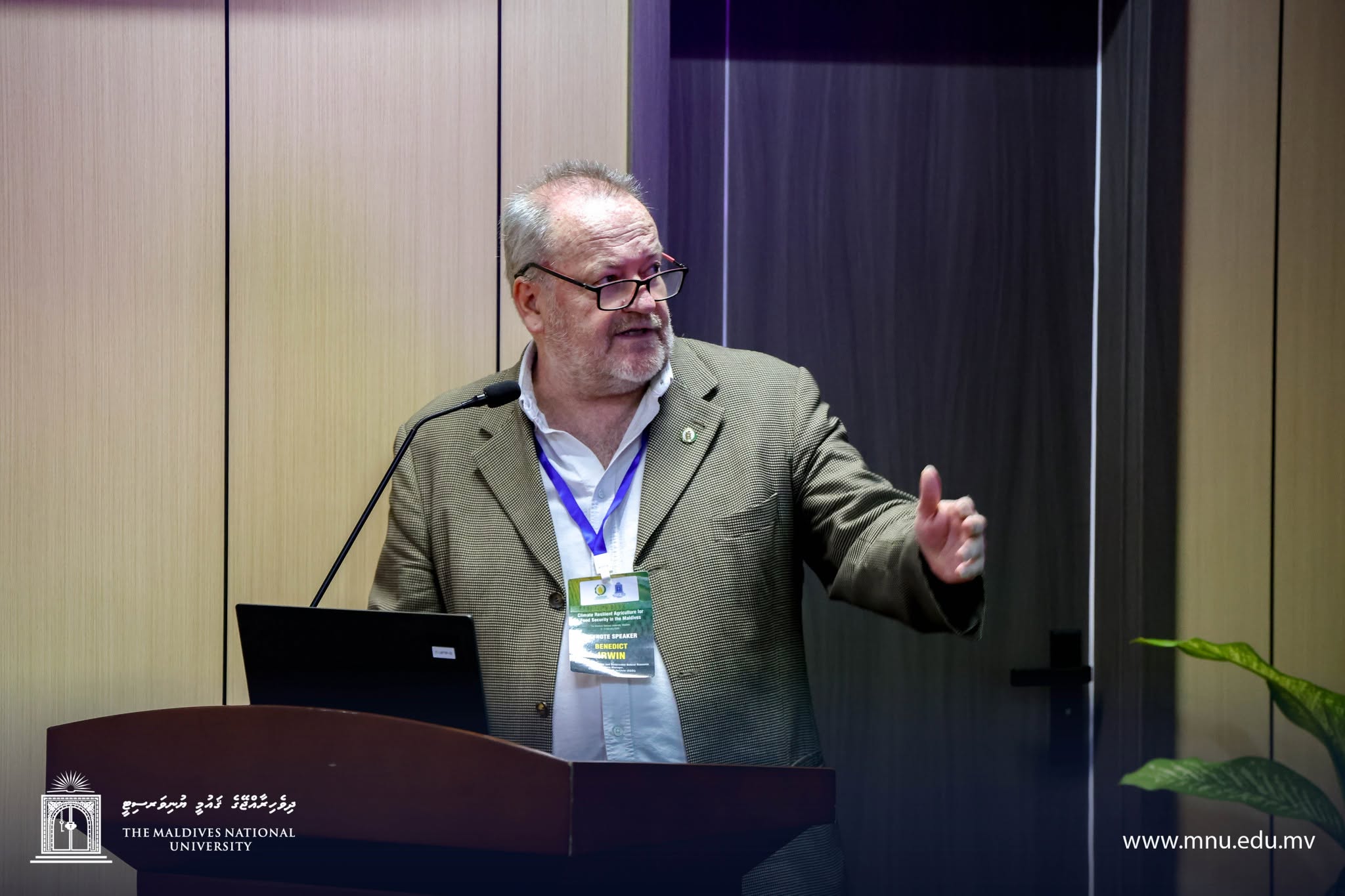
To address these challenges, greater emphasis is needed on climate-resilient and sustainable agricultural practices. This conference will bring together national and international experts in agriculture, food security, and climate change to examine the vulnerabilities of the Maldives’ agricultural sector and identify practical strategies for climate-smart agriculture. The outcomes will contribute to enhancing food security, strengthening resilience, and supporting the sustainable development of the Maldives in the face of future climate challenges.
The conference promoted sustainable, climate‑resilient agriculture to strengthen food security, reduce reliance on imports, and safeguard livelihoods. It fostered collaboration among stakeholders, encouraged innovation in farming practices, and supported long‑term resilience of the Maldives’ economy and ecosystems against climate‑induced risks.