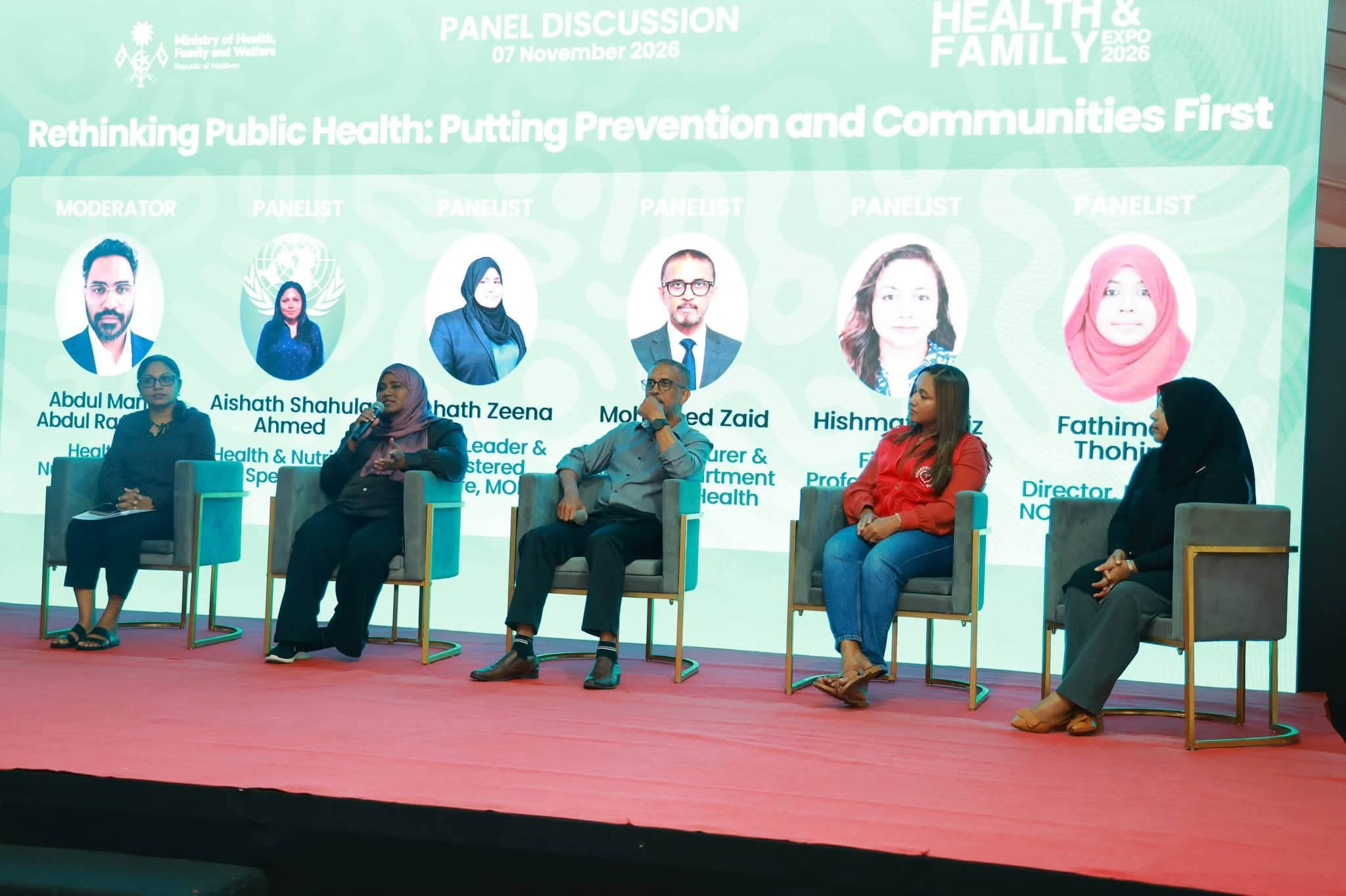
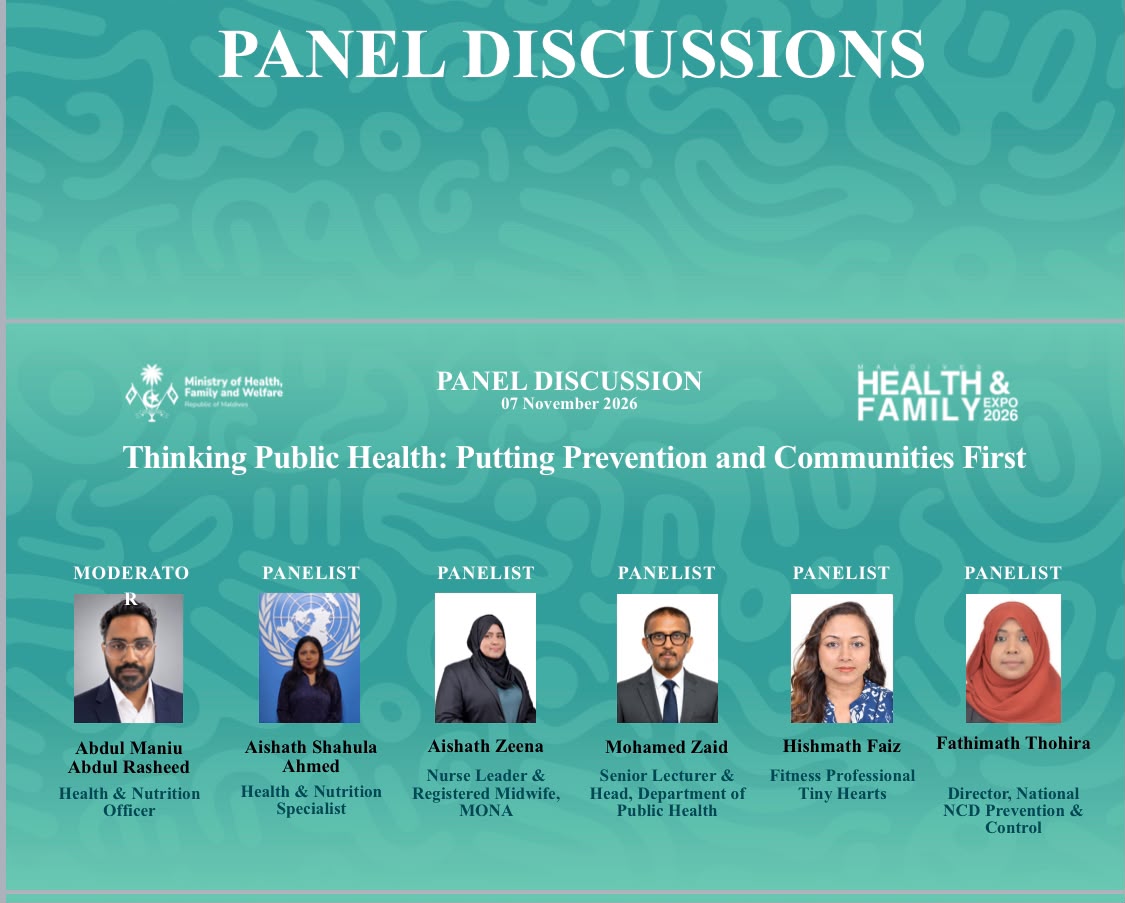
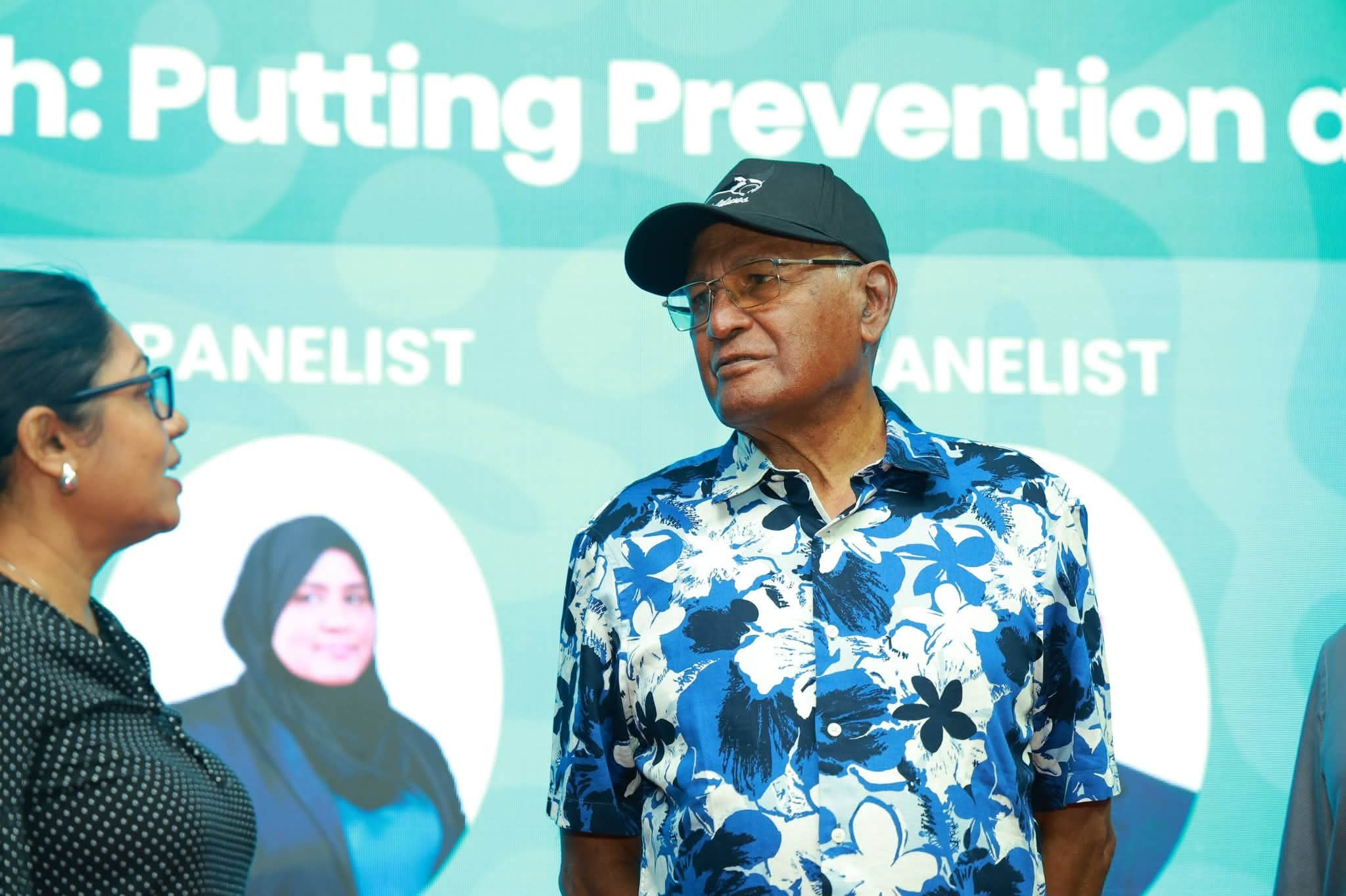
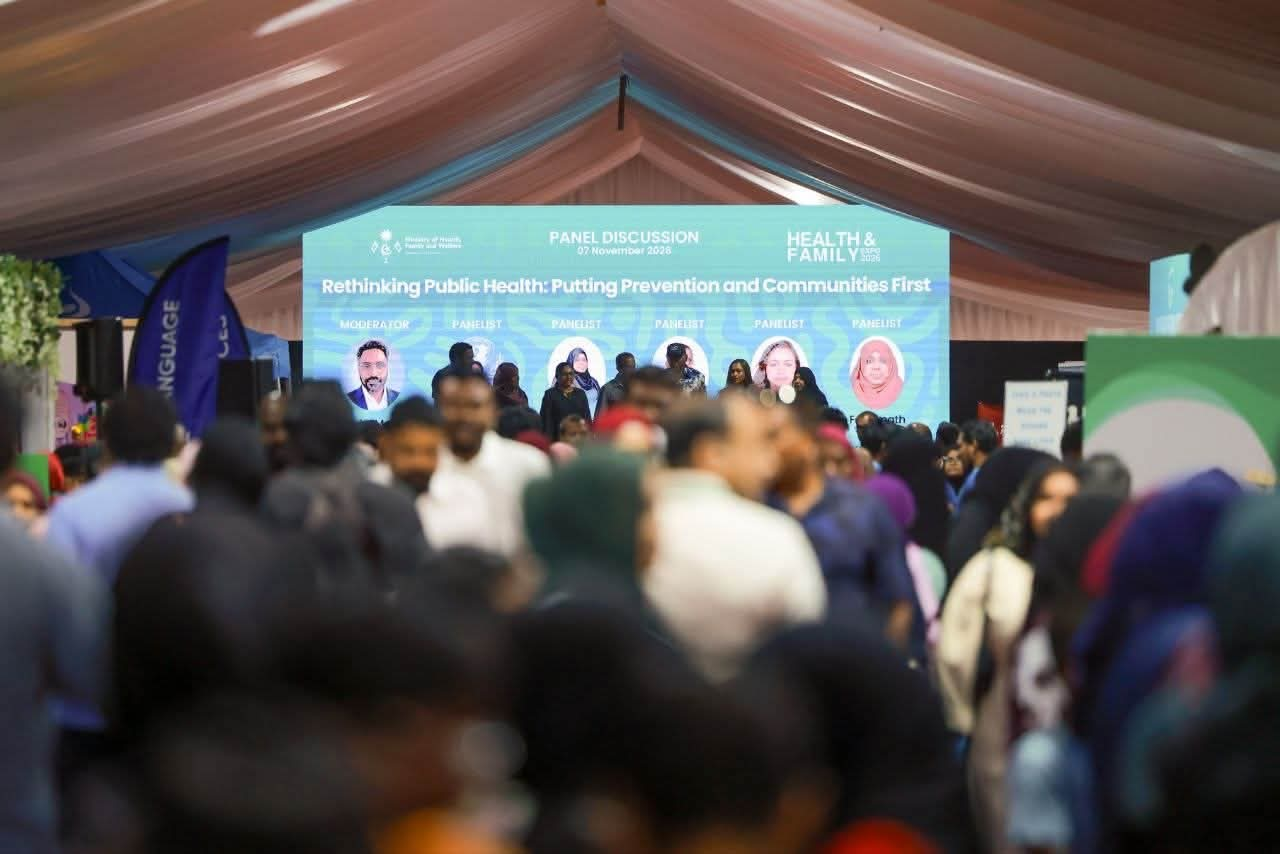
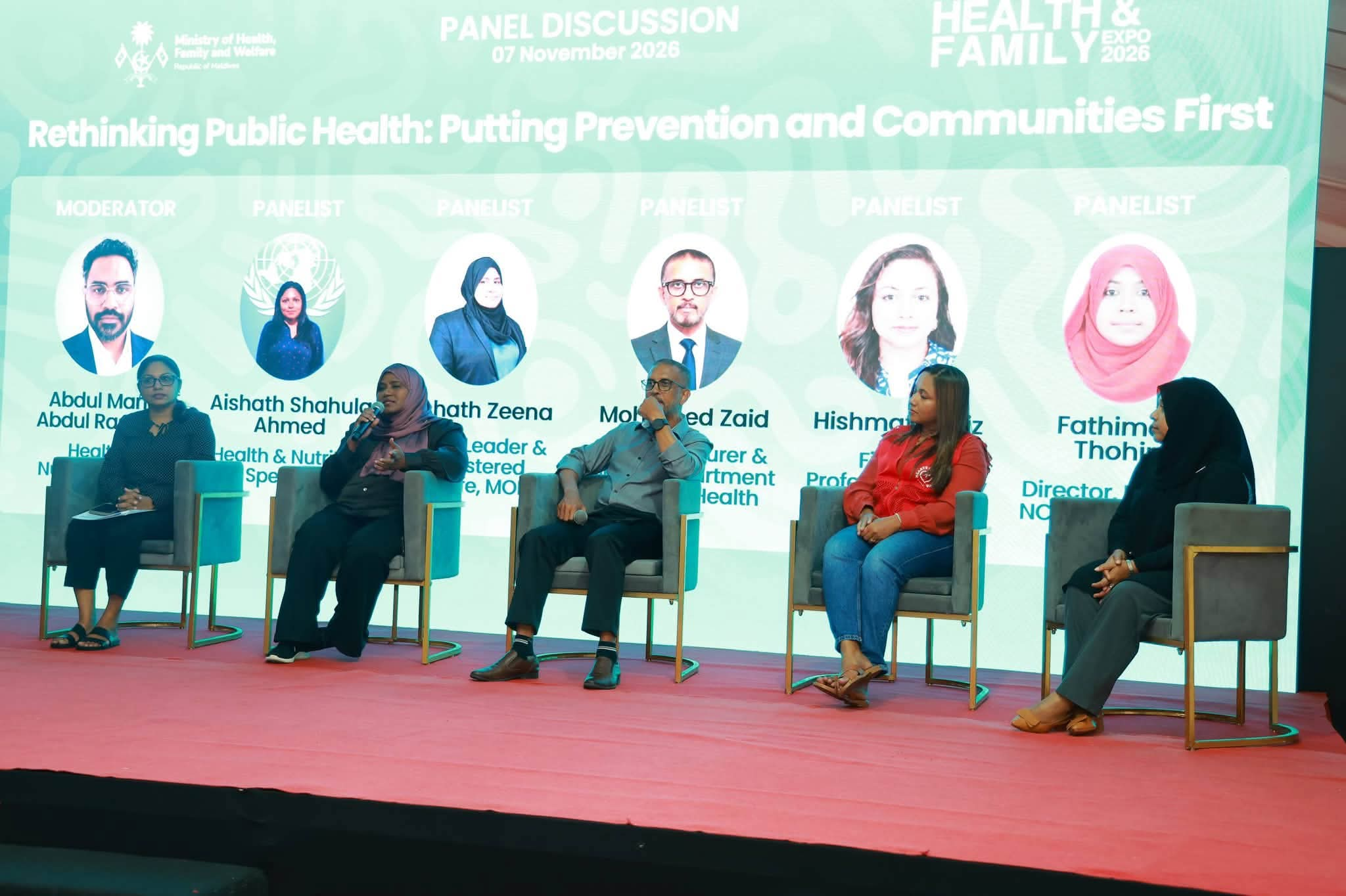
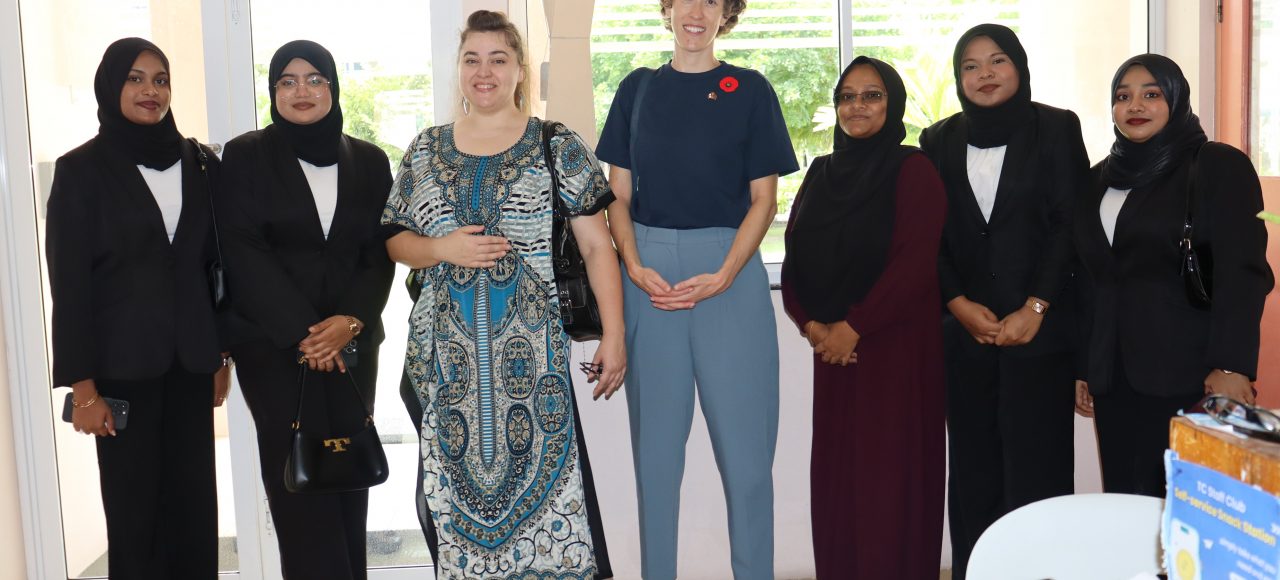
The Faculty of Health Sciences (FHS) at The Maldives National University (MNU) contributed to a national panel discussion titled “Rethinking Public Health: Putting Prevention and Communities First,” organised by the Ministry of Health, Family and Welfare.
Representing FHS, Mohamed Zaid participated as a panelist, joining representatives from public health, UNICEF, civil society, nursing and academia to explore strategies for strengthening preventive and community-centred healthcare in the Maldives.
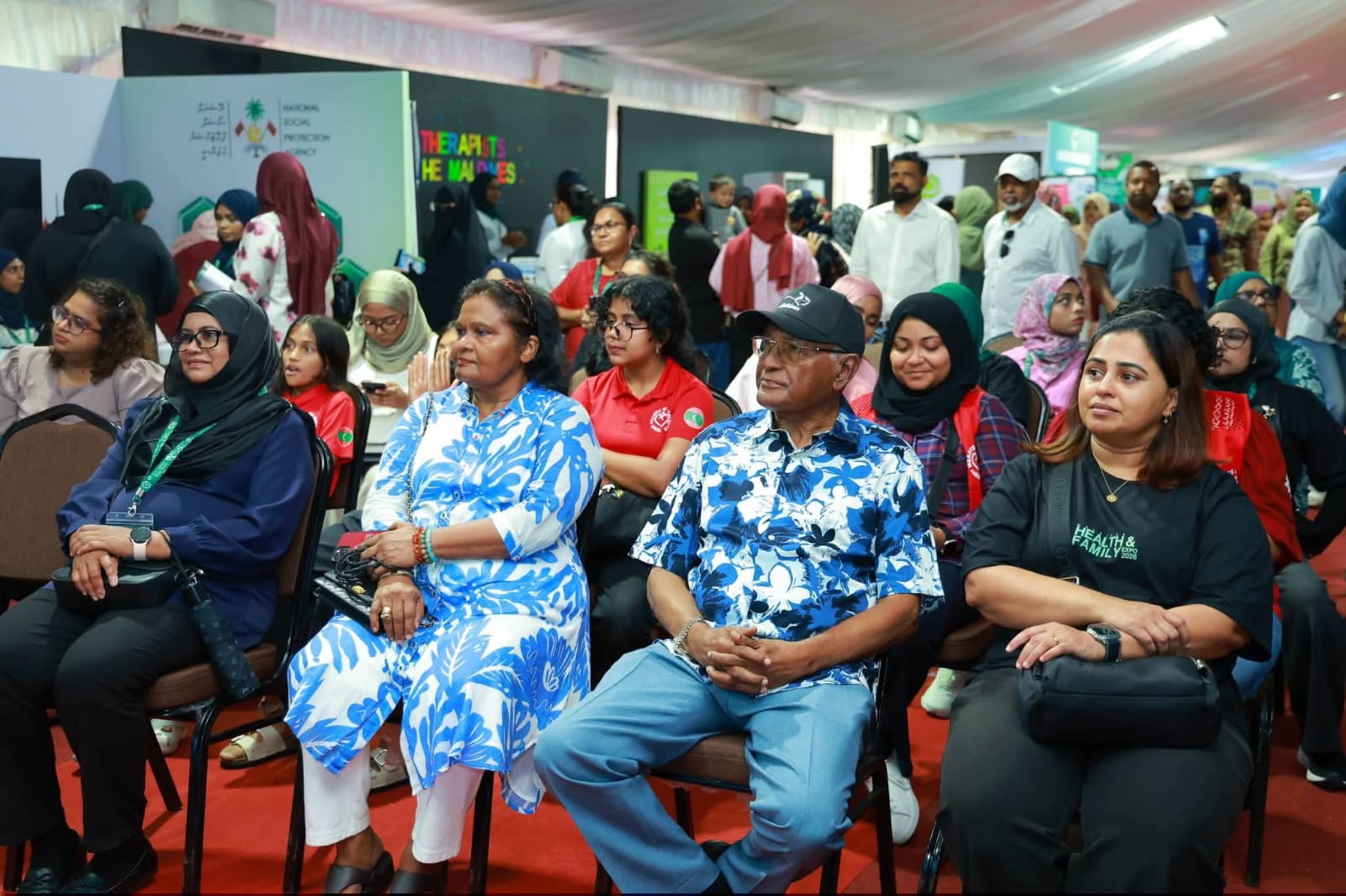
The discussion attracted approximately 50–100 participants and provided a platform for sharing perspectives on shifting healthcare approaches from predominantly treatment-oriented services towards prevention, early intervention and health promotion.
Key areas of discussion included strengthening primary healthcare, promoting healthy lifestyles, addressing non-communicable diseases (NCDs), and improving health promotion initiatives targeting children and adolescents. Panelists also emphasised the importance of empowering communities and ensuring equitable access to preventive healthcare services across the islands.
The discussion highlighted the need for stronger collaboration among healthcare institutions, schools, local councils, families, civil society organisations and other stakeholders. Such partnerships are essential to addressing public health challenges through coordinated, sustainable and people-centred approaches.
Participant feedback highlighted the importance of prioritising prevention, early intervention and community participation in improving population health. The discussion also reinforced the need for sustained investment in primary healthcare and stronger partnerships across different sectors.
Through its participation, FHS demonstrated its commitment to contributing academic and professional expertise to national public health dialogue and supporting evidence-informed approaches to healthcare development.
FHS’s participation contributed to national dialogue on strengthening preventive healthcare and community engagement in the Maldives. The discussion is expected to increase awareness of disease prevention, encourage multisectoral collaboration and promote greater community participation in health promotion. It also reinforces the importance of academic institutions contributing expertise to national health priorities and supporting improved population health outcomes.
Contribution to the Sustainable Development Goals
-
SDG 3 – Good Health and Well-being: Promoting disease prevention, early detection and healthier lifestyles.
-
SDG 4 – Quality Education: Supporting health education, awareness and knowledge sharing.
-
SDG 10 – Reduced Inequalities: Advocating equitable access to preventive healthcare services across the islands.
-
SDG 17 – Partnerships for the Goals: Strengthening collaboration among government institutions, universities, UNICEF, civil society and communities.