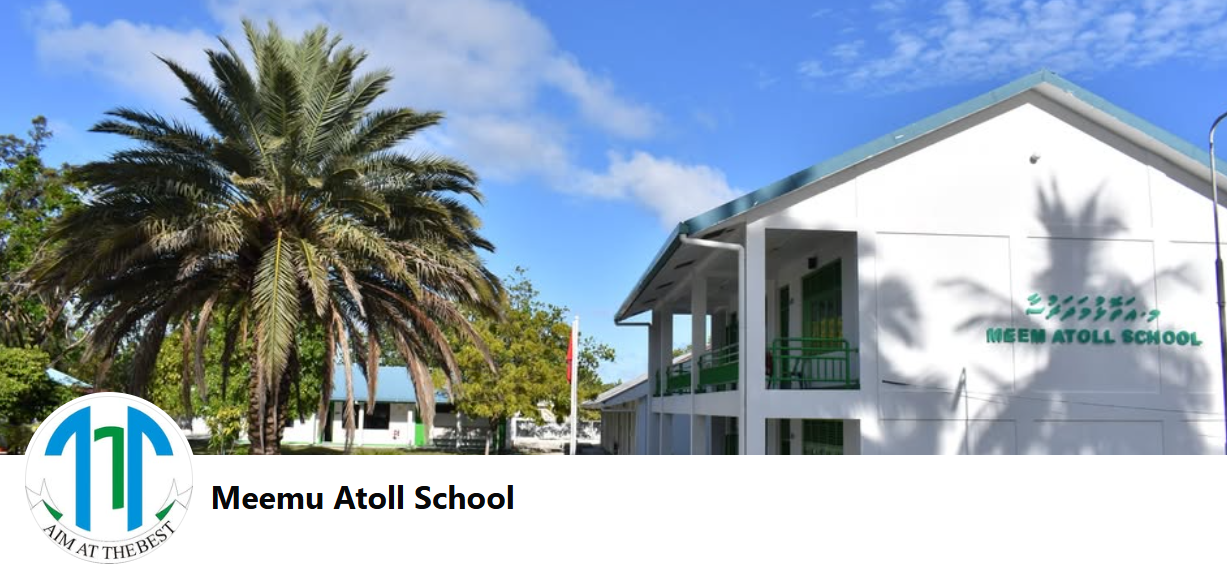
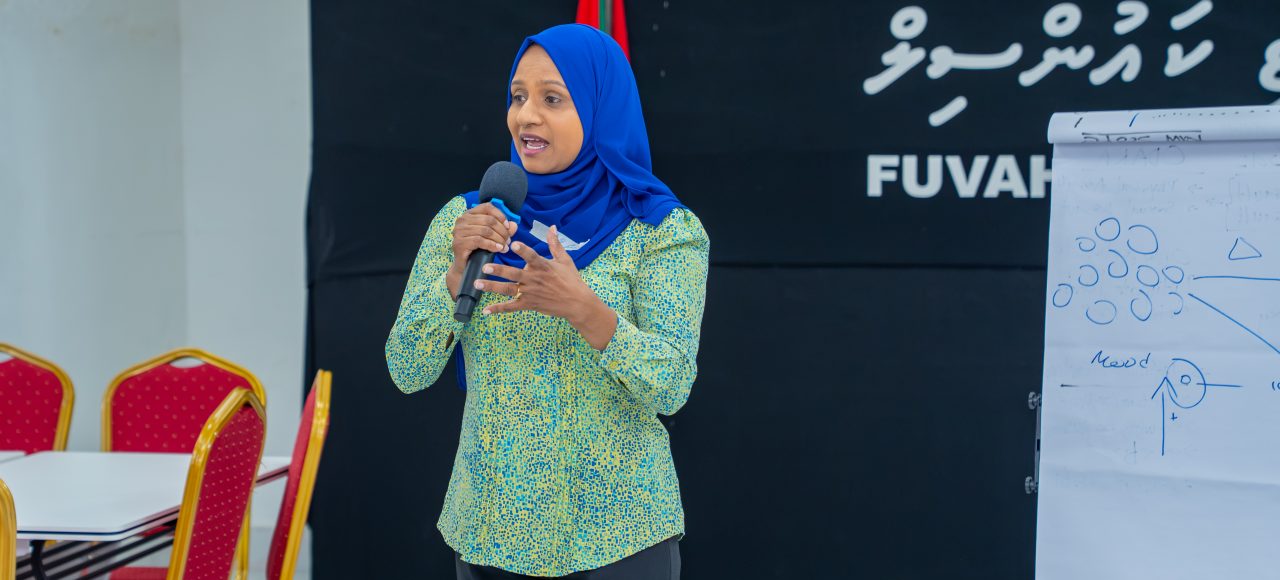
Senior Lecturer Dr. Aminath Waseela conducted an Innovation Workshop on Using Robotics (Micro:bit) for Tidal and Flood Detection for students of M. Atoll School from 22 to 23 July 2025. The workshop introduced students to Micro:bit technology and basic robotics while demonstrating how digital technology can be applied to address real-world environmental challenges.
Through hands-on activities, students explored coding, sensors, data collection, problem-solving, and engineering design as they developed simple systems for monitoring tidal levels and detecting potential flooding. The practical learning experience enabled students to apply STEM concepts in a meaningful context while developing their creativity, collaboration, and technological skills.
The workshop also encouraged environmental awareness and disaster preparedness, demonstrating how innovative technology can contribute to community resilience and support responses to natural hazards such as tidal flooding.
The initiative contributes to Sustainable Development Goal 4 (SDG 4): Quality Education by promoting STEM education, digital literacy, experiential learning, and the development of practical problem-solving skills. By engaging students in hands-on technology-based activities, the workshop supported meaningful and learner-centred educational experiences.
The programme also supports SDG 9: Industry, Innovation and Infrastructure by fostering technological skills, innovation, engineering thinking, and creative problem-solving. Introducing students to robotics and digital technologies encourages early engagement with innovative approaches to addressing practical challenges.
Furthermore, the initiative aligns with SDG 13: Climate Action by raising awareness of technology-based approaches to climate adaptation, environmental monitoring, and disaster risk reduction. Students were introduced to ways technology can support communities in understanding and responding to environmental risks.
The workshop also contributes to SDG 11: Sustainable Cities and Communities by encouraging students to explore innovative solutions that can strengthen community resilience to natural hazards, including tidal flooding.
Through this initiative, Dr. Aminath Waseela supported STEM learning, digital innovation, environmental awareness, and disaster preparedness, empowering students to explore how technology and creativity can contribute to safer, more resilient, and sustainable communities.