MNU–Olive Ridley Project Partnership for Sea Turtle Conservation and Veterinary Capacity Development
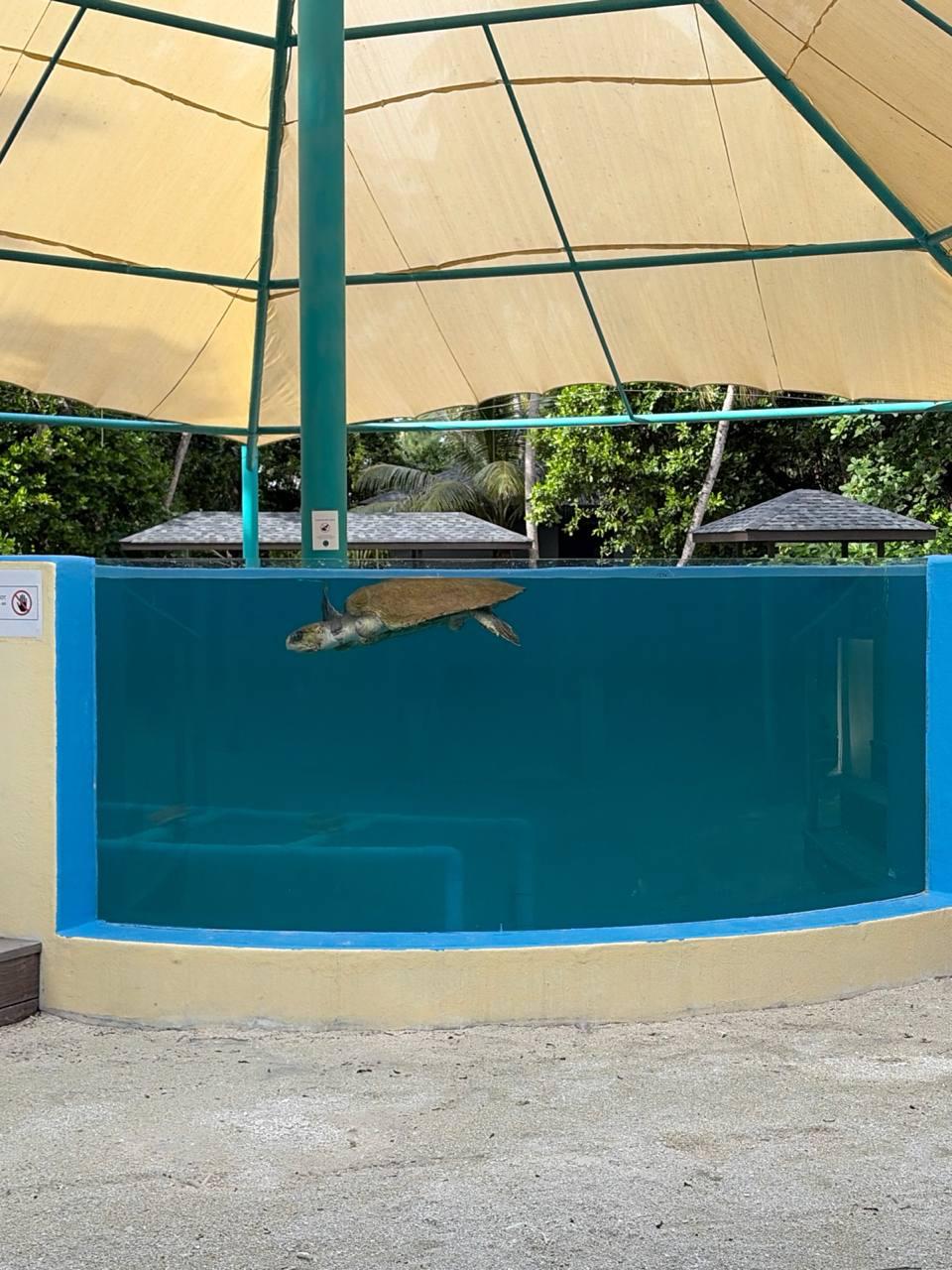
The Maldives National University (MNU) strengthened its commitment to marine biodiversity conservation through a partnership with the Olive Ridley Project (ORP) Maldives, formalised through a Memorandum of Understanding (MoU) signed in September 2025. The collaboration aims to advance marine conservation, scientific research, and specialised training to support the protection and rehabilitation of sea turtles in the Maldives.
A key component of the partnership is the proposed development of the region’s first specialised course in sea turtle medicine and surgery, designed to strengthen local veterinary expertise in treating and rehabilitating injured marine turtles. The course aims to provide MNU students and local veterinary professionals with knowledge and practical skills in trauma assessment, rehabilitation, and surgical interventions, particularly for injuries associated with abandoned, lost, or discarded fishing gear and other human-induced threats.
The collaboration also provides a framework for MNU students to engage with ORP researchers in marine turtle population monitoring, satellite tracking, habitat assessments, and conservation research. These opportunities aim to integrate field-based scientific experience into marine science education while strengthening local capacity for long-term species monitoring and conservation.
Through this partnership, MNU supports cooperation between academic institutions and marine conservation organisations to address threats to migratory marine species and improve the scientific knowledge and technical capacity needed for effective sea turtle conservation.
Contribution to the Sustainable Development Goals: The partnership supports SDG 14 – Life Below Water, particularly Targets 14.2 (protection and sustainable management of marine and coastal ecosystems) and 14.a (increasing scientific knowledge and developing marine research capacity). It also contributes to SDG 17 – Partnerships for the Goals, particularly Target 17.17, through collaboration between academia and conservation organisations.
MNU–Soneva Conservation Sustainability Maldives Partnership for Marine Research and Student Training
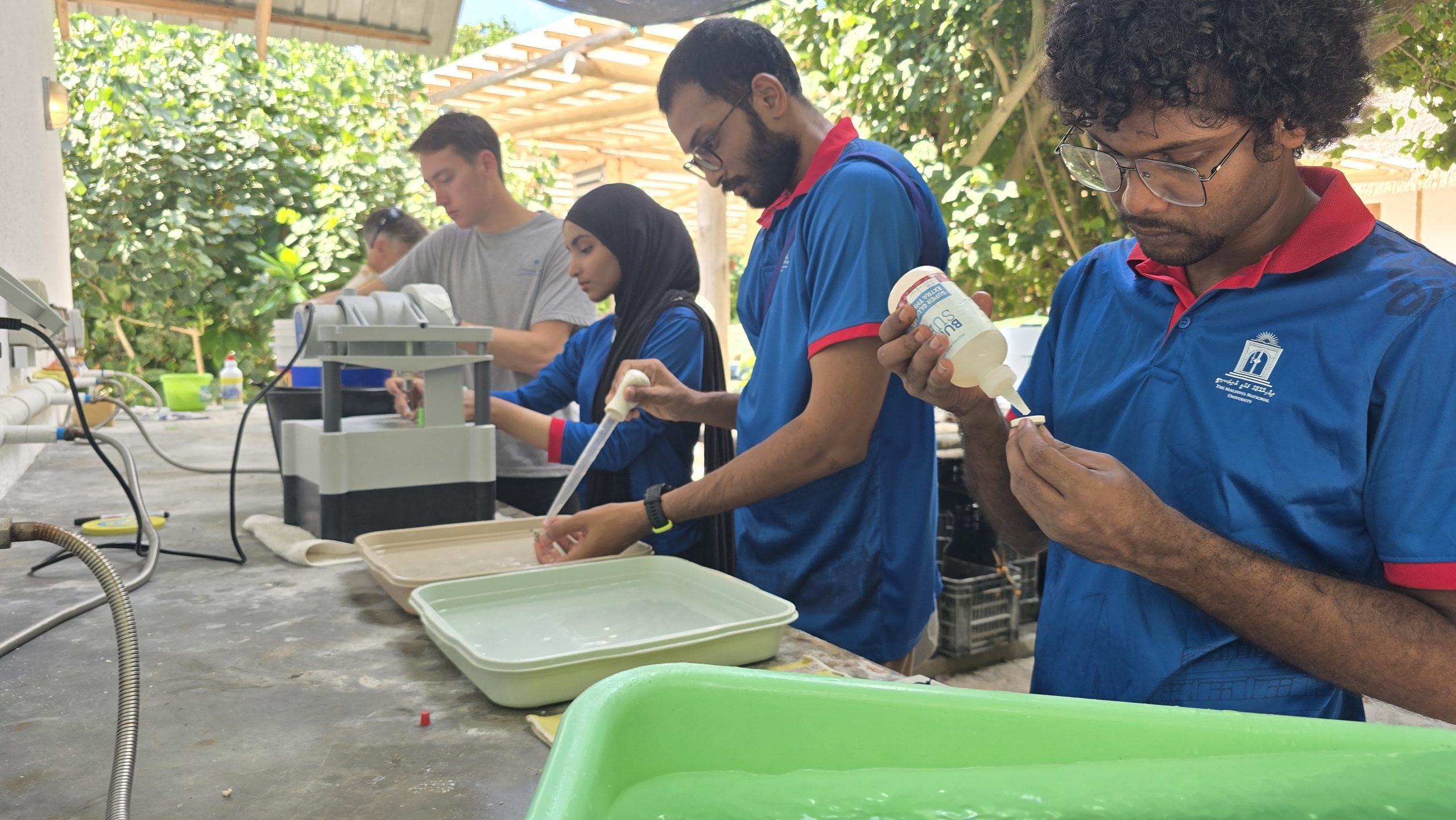
The Maldives National University (MNU) established a partnership with Soneva Conservation Sustainability Maldives (Soneva CSM) through a Memorandum of Understanding signed in 2025 to strengthen collaborative marine research, conservation education, and practical training opportunities.
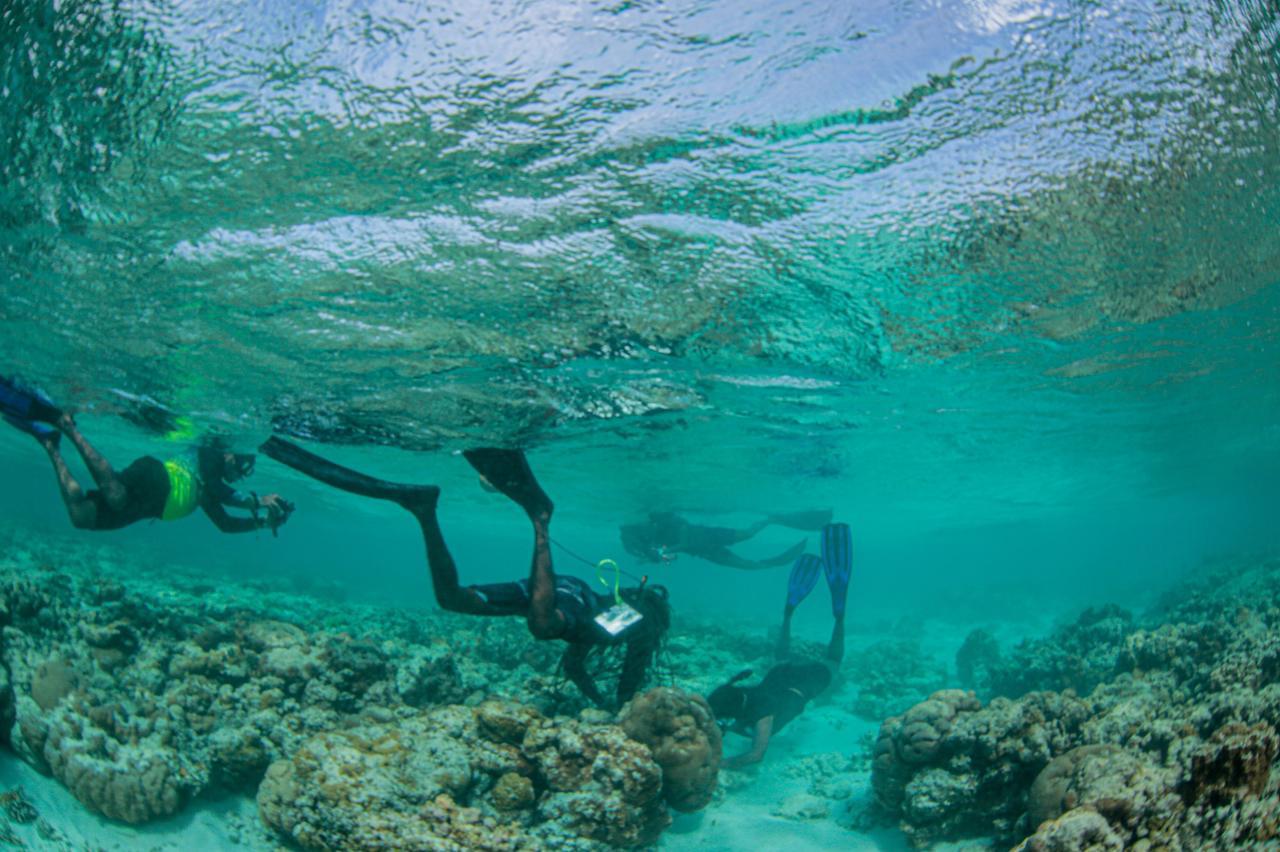
The partnership provides a framework for MNU students to participate in research projects and internship opportunities associated with Soneva CSM’s marine conservation activities. These opportunities are intended to enhance students’ practical understanding of coral reef ecology, marine biodiversity monitoring, and conservation approaches applied within the tourism sector.
By connecting university education with conservation research and environmental management activities undertaken by the tourism industry, the collaboration aims to strengthen knowledge exchange and develop practical scientific competencies among emerging marine professionals.
The partnership also demonstrates the potential for cooperation between academic institutions and tourism-sector conservation programmes to support marine ecosystem monitoring, promote sustainable environmental practices, and strengthen the scientific capacity needed to manage coral reef ecosystems.
Contribution to the Sustainable Development Goals: This collaboration supports SDG 14 – Life Below Water, particularly Targets 14.2 and 14.a, through cooperation relevant to marine ecosystem conservation, scientific research, and research capacity development. It also supports SDG 17 – Partnerships for the Goals, particularly Target 17.17, by strengthening collaboration between higher education institutions and the private sector.
MNU Collaboration with Parley Maldives and eXXpedition CIC for Marine Conservation and Sustainability
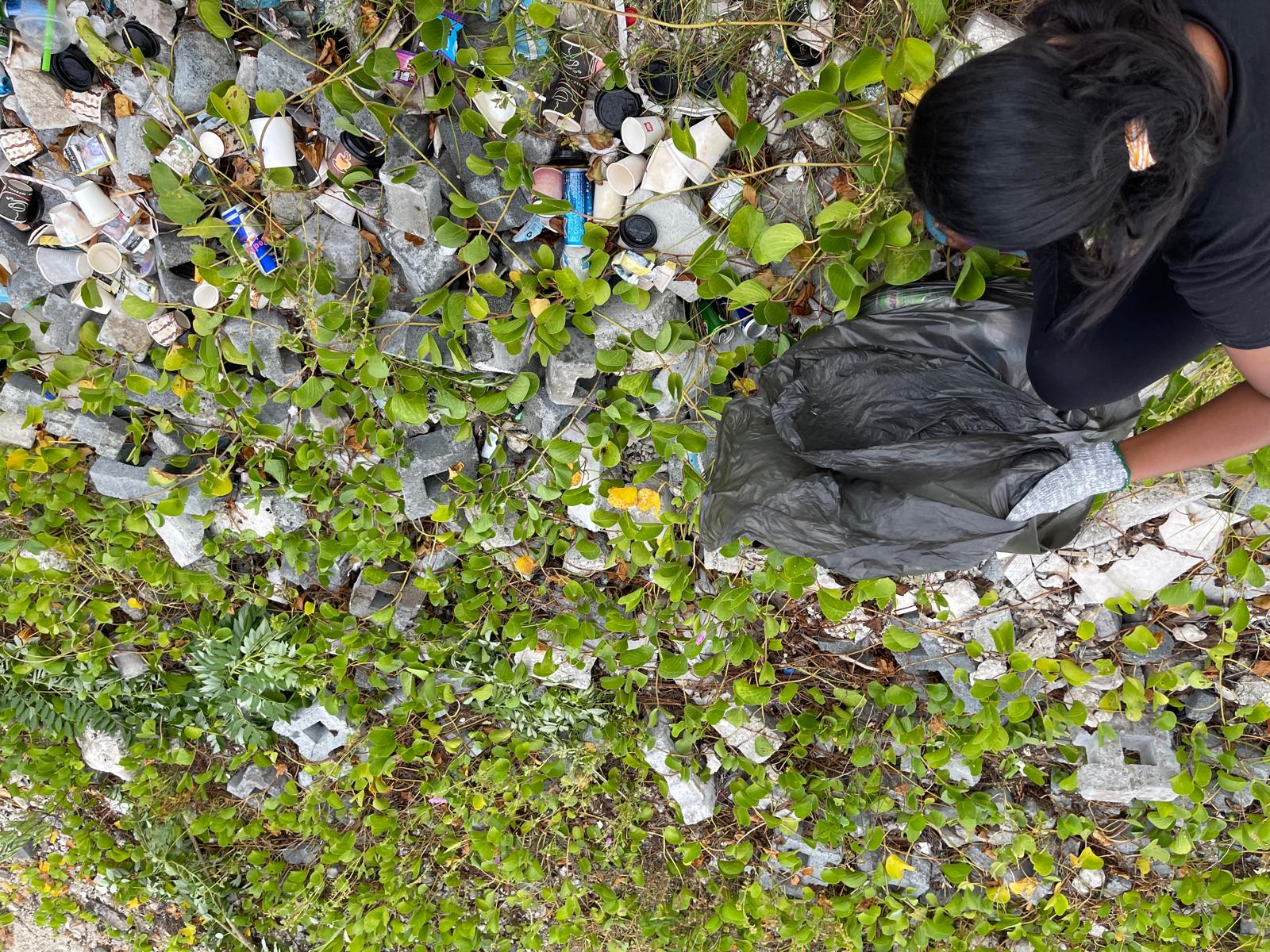
The Maldives National University (MNU) collaborates with Parley Maldives and expedition CIC (United Kingdom) to strengthen marine conservation education, environmental research, and sustainability initiatives through institutional cooperation and knowledge exchange.
The collaboration provides opportunities for joint research and scientific publications, integration of marine conservation and sustainability topics into educational programmes, sharing of scientific and community outreach resources, and staff and student mobility.
Through engagement with organisations working on marine environmental challenges, the partnership seeks to strengthen scientific understanding, environmental awareness, and practical conservation capacity. It also creates opportunities for interdisciplinary collaboration, connecting academic research with conservation initiatives and community engagement activities.
The collaboration reflects MNU’s commitment to strengthening partnerships that address shared marine environmental challenges and promote collective approaches to ocean conservation. By facilitating cooperation among universities, environmental organisations, and international partners, the initiative contributes to building networks for marine scientific research, sustainability education, and knowledge exchange.
Contribution to the Sustainable Development Goals: The collaboration supports SDG 14 – Life Below Water, particularly Target 14.2 (sustainable management and protection of marine and coastal ecosystems) and Target 14.a (increasing scientific knowledge and developing marine research capacity). It also contributes to SDG 17 – Partnerships for the Goals, particularly Targets 17.6 and 17.17, through international knowledge exchange and institutional cooperation for marine conservation.