MNU Strengthens National Capacity for Protected Area Management Through the Maldives’ First Rangers Training Programme
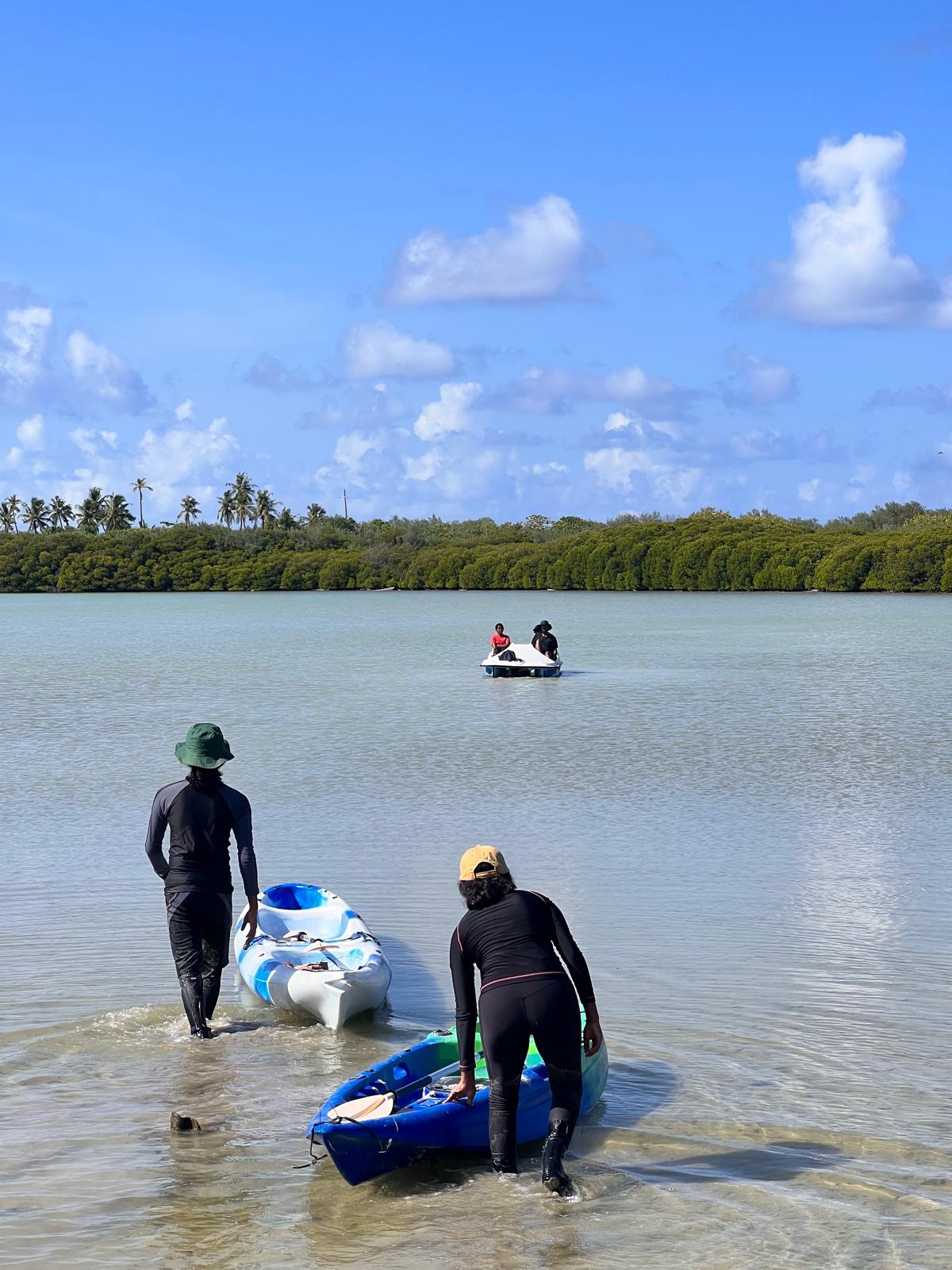
The Maldives National University (MNU), through its College of Fisheries and Ocean Sciences (CFOS), successfully completed the Maldives’ first Rangers Training Course at its Laamu Gan campus, contributing to national efforts to strengthen protected area management, biodiversity conservation, and environmental stewardship. The training was conducted under the ENDhERI Project through a collaborative agreement between MNU and the Ministry of Tourism and Environment.
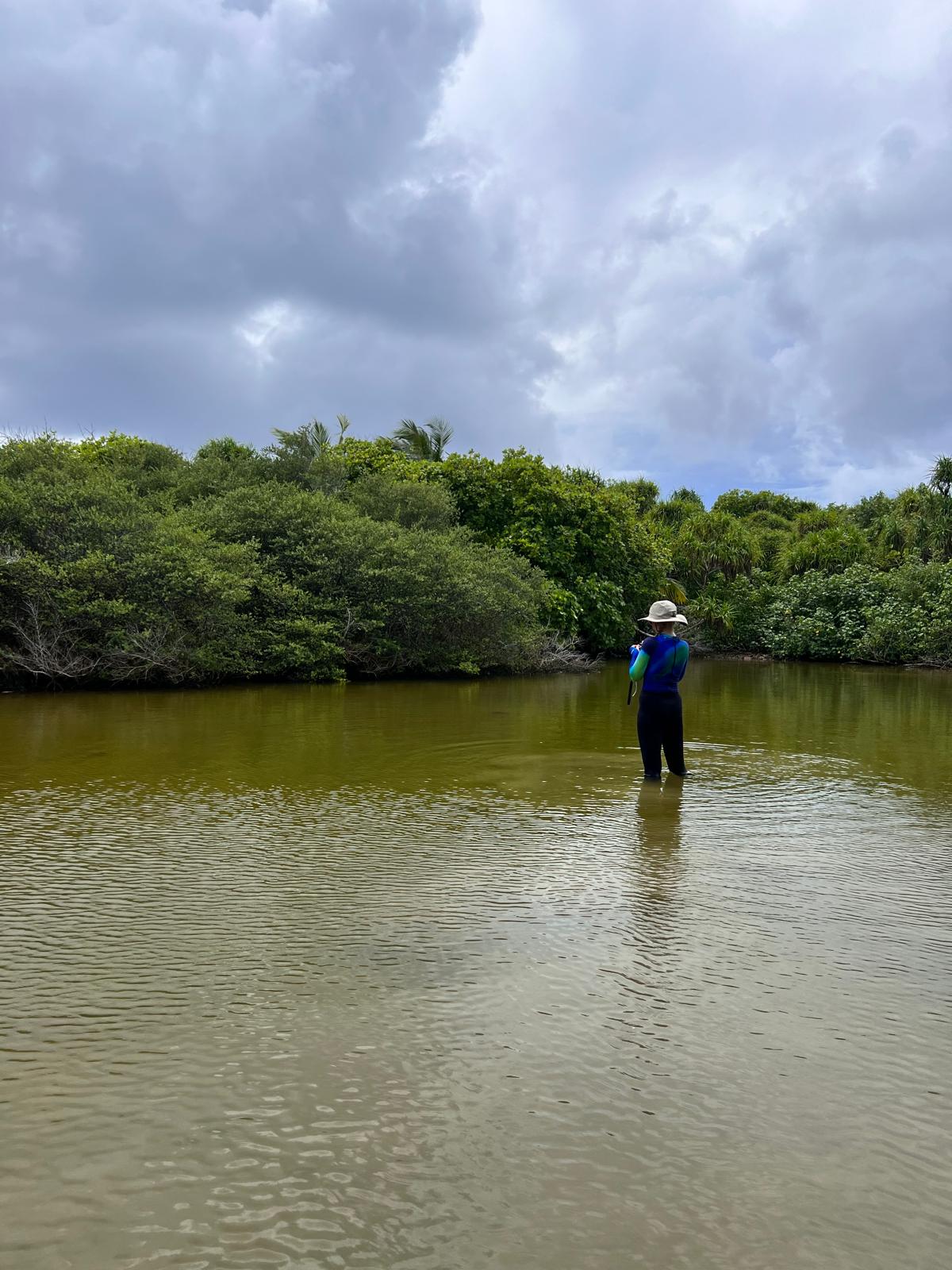
A total of 17 participants successfully graduated from the 12-week programme, which was designed to develop the knowledge and practical competencies required for effective management and protection of designated conservation areas across the Maldives. The curriculum integrated theoretical instruction with practical fieldwork, covering environmental science, environmental legislation and enforcement, community engagement, environmental awareness, basic computing skills, and maritime navigation. These components provided participants with foundational skills relevant to protected area monitoring, compliance, conservation activities, and stakeholder engagement.
The programme addressed an important national capacity-building need, as the Maldives has designated more than 90 protected areas requiring effective management, monitoring, and enforcement. During the certificate awarding ceremony, Dr Ahmed Riyaz Jauharee, Dean of CFOS, and Hassaan Mohamed, Deputy Minister of Tourism and Environment, highlighted the importance of developing a professionally trained ranger workforce to strengthen the management of these areas and support long-term environmental conservation.
Building on the completion of the first training cohort, plans have been developed to expand ranger training opportunities to other regions and introduce a Certificate Level 4 qualification titled “Advanced Certificate in Protected Areas Management and Ranger Training.” The proposed qualification aims to establish a more structured pathway for professional development in protected area management and environmental stewardship.
The initiative demonstrates MNU’s contribution to promoting good aquatic and environmental stewardship practices through professional training, institutional collaboration, and applied conservation education. By strengthening the skills of personnel responsible for managing protected environments, the programme supports national efforts to improve conservation capacity, encourage responsible resource management, and protect the biodiversity and ecological integrity of the Maldives’ natural ecosystems.
Promoting Sustainable Fisheries and Community Stewardship Through Recreational Fishers’ Engagement
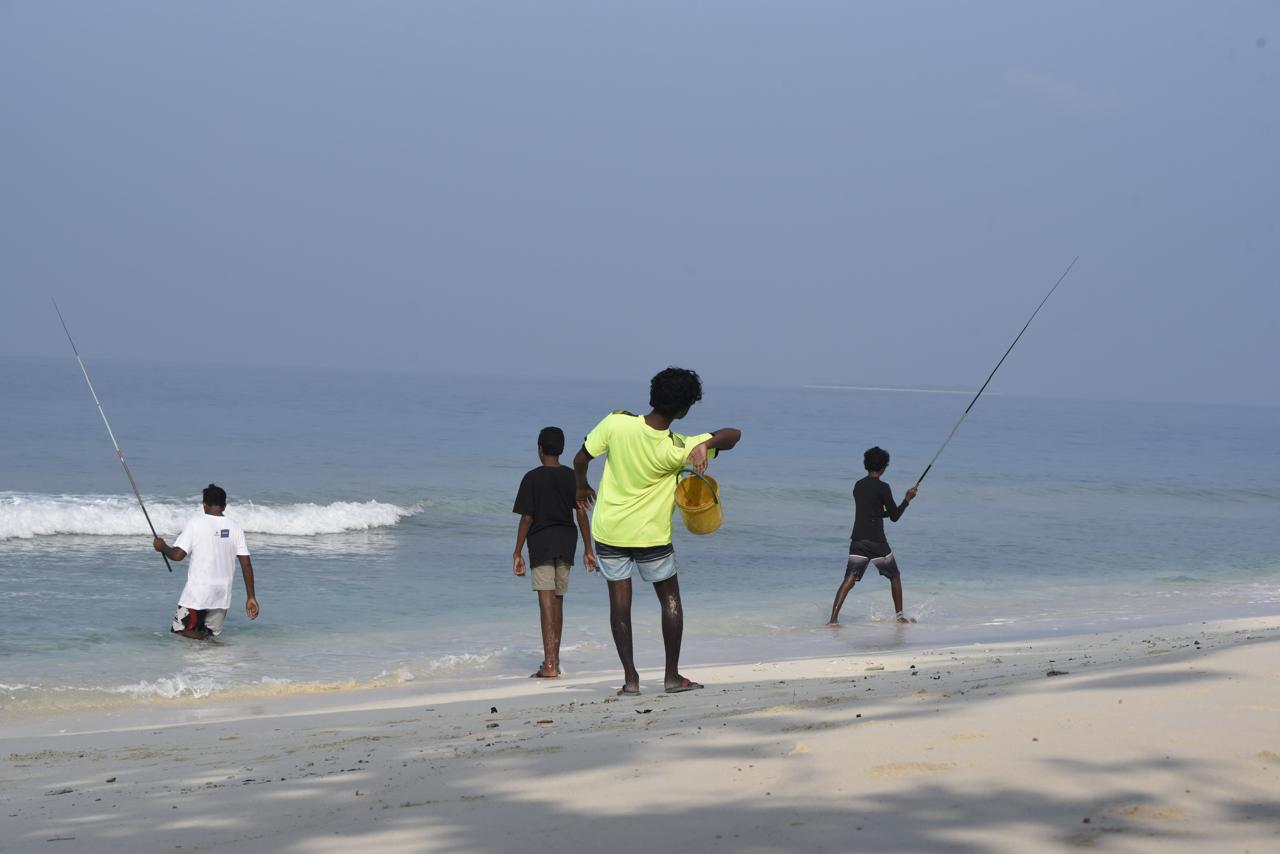
The Maldives National University (MNU) supported community engagement in sustainable fisheries management through a recreational fishers’ seminar, bringing together local fishers and scientific stakeholders to exchange knowledge, discuss fisheries management challenges, and explore opportunities for responsible marine resource use. The seminar provided a platform for integrating scientific perspectives with local ecological knowledge, contributing to participatory approaches to fisheries conservation and aquatic stewardship.
A total of 32 local recreational fishers participated in the seminar, sharing their experiences, observations, and perspectives on the current state and future of recreational fisheries in the Maldives. Their contributions highlighted the importance of involving fishing communities in discussions on resource sustainability, fisheries monitoring, and the development of management approaches that reflect both scientific evidence and practical experience.
The seminar emphasised the value of local ecological knowledge in understanding fishing practices, changes in fish populations, and emerging pressures on marine resources. Such community-based information can complement scientific monitoring and help identify knowledge gaps, particularly in recreational and small-scale fisheries where systematic data collection may be limited.
The discussions also highlighted the importance of community participation in supporting responsible fishing practices, marine conservation measures, and the effective management of marine protected areas. By facilitating dialogue between researchers and recreational fishers, the seminar contributed to raising awareness of sustainable fisheries principles and encouraging shared responsibility for the conservation of marine ecosystems.