Advancing Sustainable Aquaculture through Practical Learning at Maniyafushi
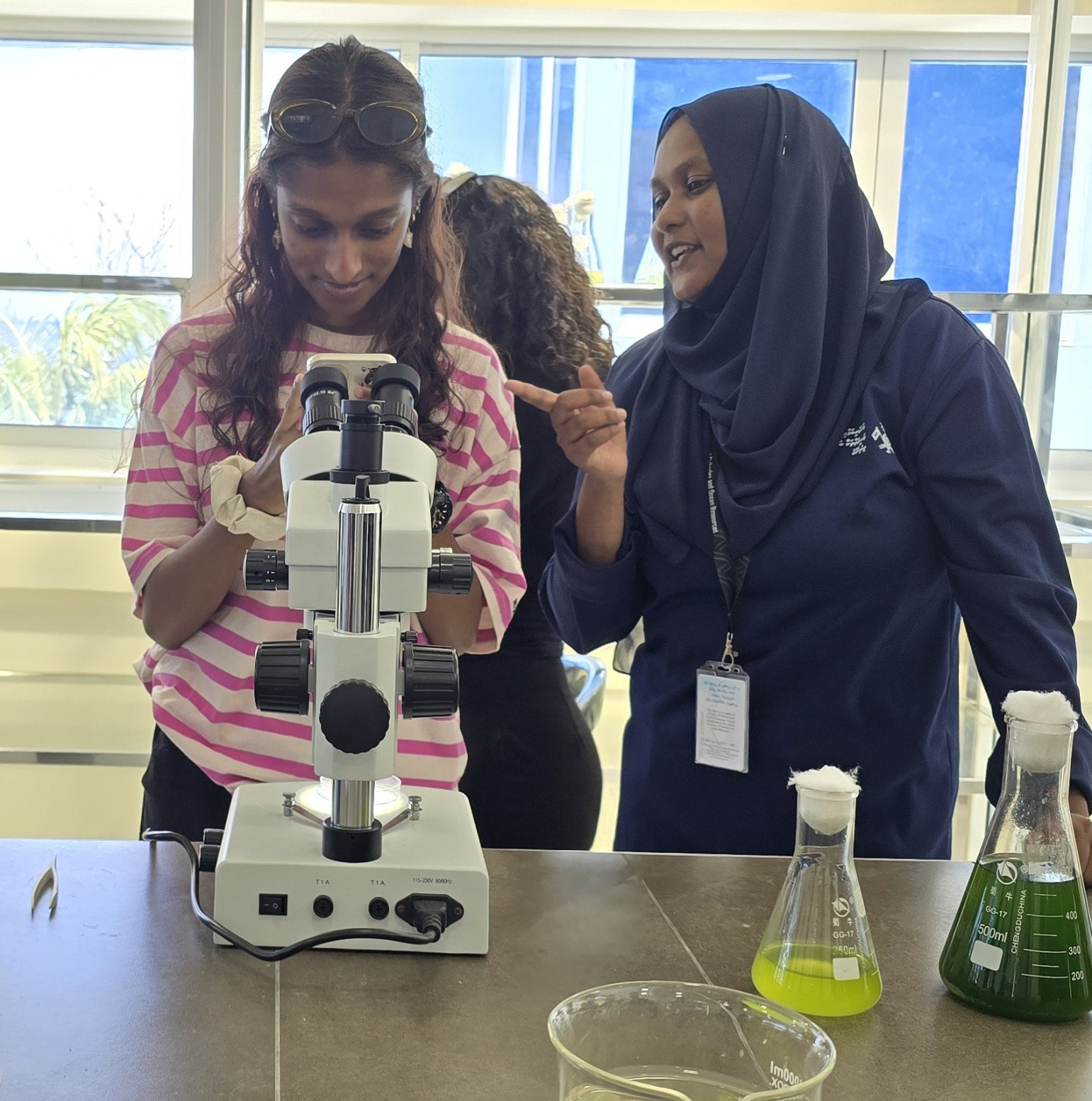 The Maldives National University (MNU), through its College of Fisheries and Ocean Sciences (CFOS), organised an educational visit to the aquaculture research and training facility at Maniyafushi, providing students with practical exposure to sustainable aquaculture and mariculture development in the Maldives. The visit offered an opportunity to explore hatchery operations and marine farming techniques that contribute to fisheries diversification, food security and the sustainable utilisation of aquatic resources.
During the visit, students observed facilities supporting the breeding and rearing of marine species, including groupers, Maldivian clownfish and sea cucumbers. They gained insights into hatchery management, broodstock maintenance and species-specific rearing techniques, strengthening their understanding of the scientific and technical requirements for sustainable aquaculture production. The experience highlighted the potential of aquaculture research and innovation to diversify marine resource production, create economic opportunities and reduce reliance on wild fish stocks where appropriately managed.
The initiative aligns with MNU’s Sustainability Policy and Climate and Environment Research Framework 2025–2030, which emphasise sustainability-focused education, applied environmental research, innovation and partnerships that address national development priorities. By connecting classroom learning with practical experience, MNU supports the development of future marine scientists and fisheries professionals equipped to contribute to sustainable aquaculture development.
This educational engagement contributes to Sustainable Development Goal 14 (Life Below Water), particularly Target 14.7, which promotes increased economic benefits to Small Island Developing States through the sustainable use of marine resources, including sustainable fisheries and aquaculture. It also supports the broader objectives of sustainable food production, marine ecosystem conservation and the development of a resilient blue economy in the Maldives.
Promoting Sustainable Tuna Fisheries through International Scientific Collaboration
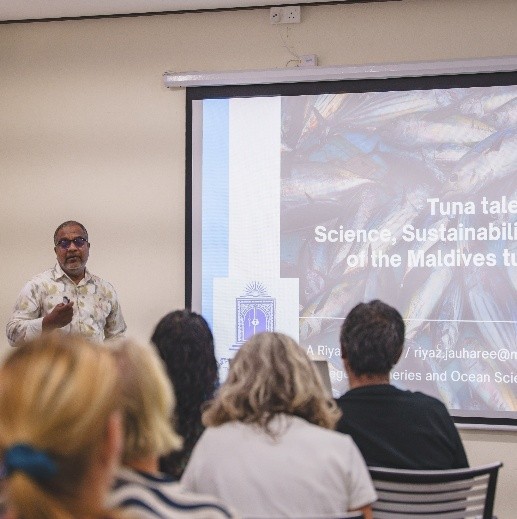
The Maldives National University (MNU), through its College of Fisheries and Ocean Sciences (CFOS), contributed to an international scientific workshop held at the Marine Lab of Jawakara Resort in Lhaviyani Atoll. The workshop brought together more than 20 international experts to exchange knowledge on marine ecosystems, fisheries sustainability, climate change and the environmental challenges facing island nations.
The Dean of CFOS delivered a presentation titled “Tuna Tales: Science, Sustainability, and Future of the Maldives Tuna Fishery,” highlighting the cultural, economic and ecological importance of tuna fisheries to the Maldives. The presentation examined the scientific foundations of tuna stock assessments, the sustainability of traditional pole-and-line and handline fishing methods, and emerging challenges associated with climate change, changing tuna migration patterns and increasing global demand. It emphasised the importance of science-based fisheries management, effective monitoring and investment in national research capacity to support the long-term productivity and resilience of Maldivian tuna fisheries.
The workshop also facilitated interdisciplinary discussions on island ecosystems, natural adaptation to sea-level rise and marine ecosystem energetics. These exchanges highlighted the relationships between ecosystem health, environmental change and fisheries productivity, reinforcing the importance of integrating ecological research into sustainable fisheries management.
The initiative aligns with MNU’s Sustainability Policy and Climate and Environment Research Framework 2025–2030, which prioritise environmental research, knowledge exchange, scientific collaboration and the sustainable management of natural resources. By engaging with international researchers and sharing scientific perspectives on Maldivian fisheries, MNU contributes to strengthening the knowledge base needed for sustainable marine resource management.
This engagement supports Sustainable Development Goal 14 (Life Below Water), particularly Target 14.4, which promotes science-based fisheries management and the prevention of overfishing, and Target 14.7, which focuses on increasing the economic benefits to Small Island Developing States from the sustainable use of marine resources. Through scientific exchange and international collaboration, MNU supports efforts to safeguard marine ecosystems, strengthen fisheries resilience and promote sustainable food production from aquatic resources in the Maldives.
Contributing to the Development of the Maldives Fisheries and Ocean Resources Master Plan (2025–2045)
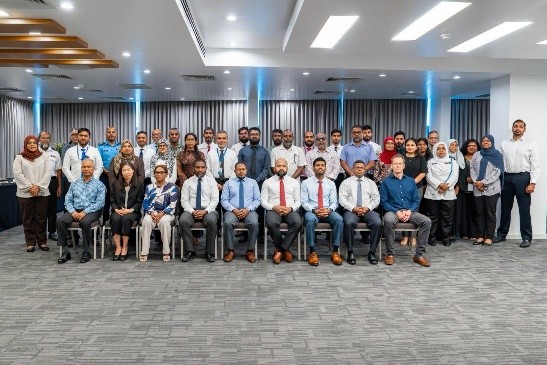
The Maldives National University (MNU), through its College of Fisheries and Ocean Sciences (CFOS), is contributing scientific and technical expertise to the development of the Maldives Fisheries and Ocean Resources Master Plan (2025–2045). Dr. Ahmed Riyaz Jauharee, Dean of CFOS, is supporting this national initiative, drawing on more than three decades of experience in fisheries research, education and policy development in the Maldives.
Led by the Ministry of Fisheries and Ocean Resources with support from the World Bank, the 20-year strategic framework aims to guide the sustainable management, development and utilisation of the Maldives’ fisheries and ocean resources. The plan seeks to strengthen fisheries sustainability, optimise the use of marine resources and enhance economic opportunities while safeguarding the ecosystems that support fisheries and coastal livelihoods. Its development incorporates stakeholder consultations involving government institutions, private sector organisations and non-governmental organisations to ensure that national priorities and sectoral perspectives inform long-term fisheries planning.
MNU’s contribution demonstrates the importance of integrating academic research and scientific expertise into national policy development. Through CFOS, established in partnership with the Ministry of Fisheries and Ocean Resources, the University supports the development of technical expertise, research capacity and evidence-based approaches to fisheries management. This engagement reflects MNU’s broader commitment to connecting scientific knowledge with national development priorities and strengthening the sustainable use of marine resources.
The initiative aligns with MNU’s Sustainability Policy and Climate and Environment Research Framework 2025–2030, which emphasise sustainability-focused research, collaboration with government institutions, knowledge exchange and the application of scientific evidence to inform environmental policy and resource management. MNU’s involvement in the master plan development highlights its role in translating academic expertise into national strategies for sustainable fisheries and ocean resource governance.
This contribution supports Sustainable Development Goal 14 (Life Below Water), particularly Target 14.4, which promotes science-based fisheries management, sustainable harvesting and the prevention of overfishing, and Target 14.7, which aims to increase the economic benefits to Small Island Developing States through the sustainable use of marine resources, including fisheries and aquaculture. Through its participation in national strategic planning, MNU contributes to establishing the foundations for a sustainable, productive and resilient fisheries sector that supports food security, marine biodiversity and the long-term well-being of Maldivian communities.
Promoting Sustainable Food Systems and Fisheries at the 5th World Shiology Forum
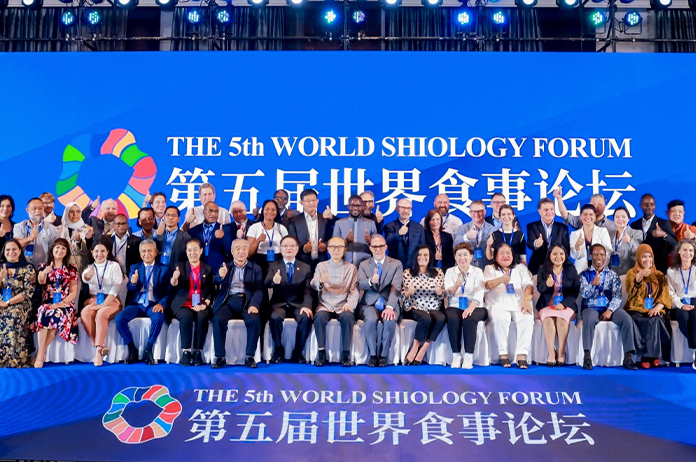
The Maldives National University (MNU), through its College of Fisheries and Ocean Sciences (CFOS), participated in the 5th World Shiology Forum, held in Hainan, China, from 28 to 31 October 2025. The forum brought together more than 300 experts, scholars and representatives from 115 countries under the theme “A Holistic Approach to Addressing Food System Challenges through Shiology”, providing an international platform to discuss sustainable food production, food security and the responsible utilisation of natural resources.
The Dean of CFOS contributed to panel discussions on multidimensional solutions for sustainable food supply chains, sharing insights from the Maldives’ traditional pole-and-line tuna fishery. The discussions highlighted the importance of sustainable harvesting methods, science-based fisheries management and maintaining healthy marine ecosystems to ensure the long-term availability of food from aquatic resources. The Maldivian tuna fishery was presented as an example of how traditional fishing practices and scientific management can contribute to sustainable seafood production while supporting livelihoods and national food security.
The forum also facilitated knowledge exchange on the interconnected relationships between food production, environmental sustainability, human well-being and economic resilience. Through engagement with international researchers and policymakers, MNU contributed perspectives from a Small Island Developing State where marine resources are central to food systems and economic development. The discussions reinforced the importance of integrating scientific research, traditional knowledge and international cooperation to strengthen sustainable aquatic food supply chains.
This engagement aligns with MNU’s Sustainability Policy and Climate and Environment Research Framework 2025–2030, which emphasise sustainability-focused research, responsible resource utilisation, knowledge sharing and international collaboration. By participating in global discussions on sustainable food systems, MNU contributes to advancing research-informed approaches to fisheries management and promoting the long-term sustainability of aquatic food resources.
The initiative supports Sustainable Development Goal 14 (Life Below Water), particularly Target 14.4, which promotes sustainable harvesting and science-based fisheries management, and Target 14.7, which focuses on increasing the economic benefits to Small Island Developing States from the sustainable use of marine resources, including fisheries and aquaculture. It also contributes to the broader objectives of SDG 2 (Zero Hunger) by promoting knowledge exchange on sustainable food production and food security. Through international scientific engagement, MNU strengthens its contribution to building resilient and sustainable aquatic food systems in the Maldives.