Sustainable Operations: How MNU Is Transforming Waste Minimization and Procurement in the Maldives
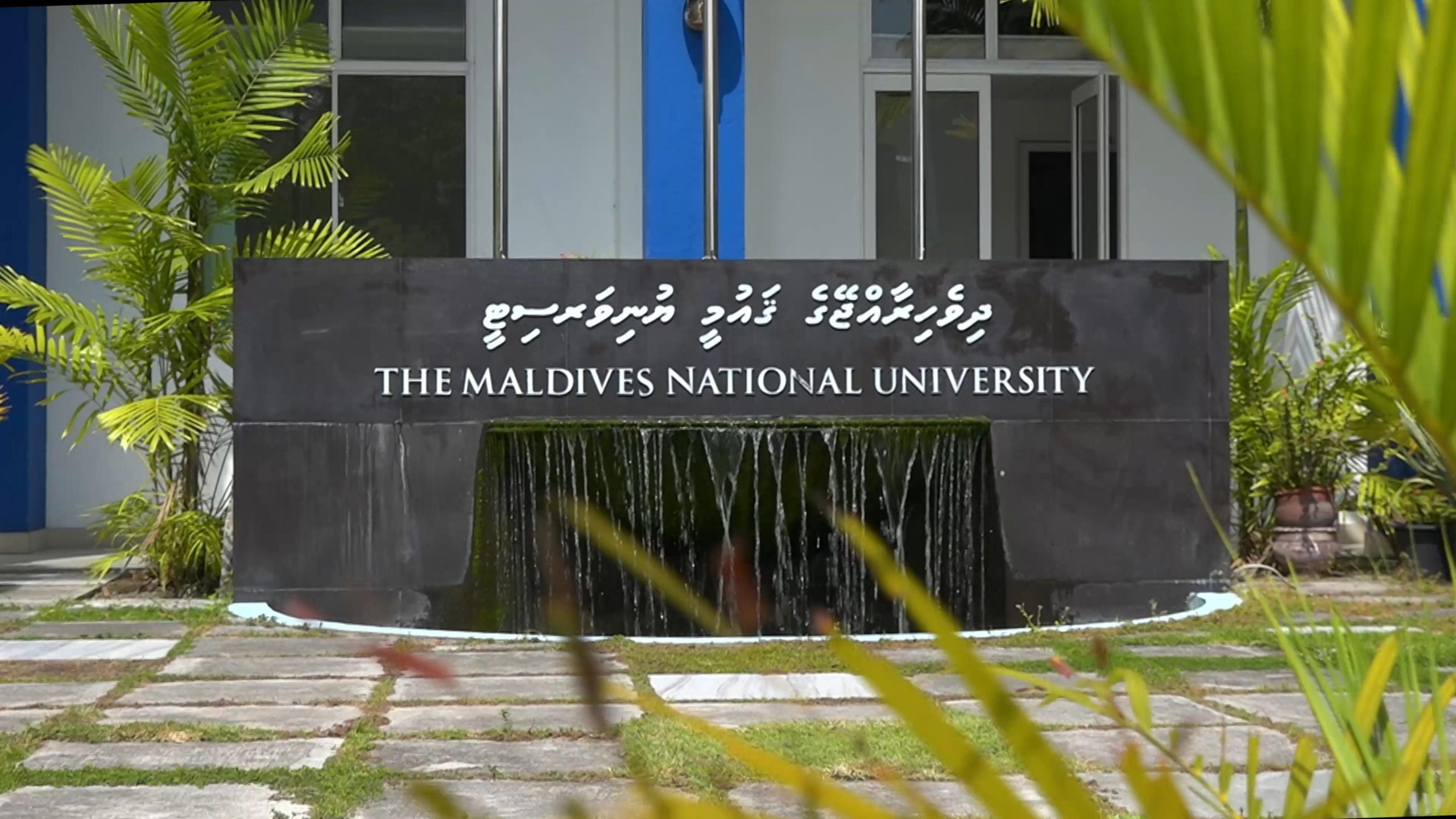
As an island nation, the Maldives faces distinct environmental vulnerabilities. Protecting land, groundwater, and fragile marine ecosystems requires more than just general awareness—it demands active commitment, structured action, and smart purchasing. The Maldives National University (MNU) is leading by example through its Waste Management and Hazardous Materials Disposal Policy and sustainable guidelines within the MNU Procurement Rules, establishing a comprehensive operational framework across all campus facilities.
Here is how MNU is reducing its ecological footprint, aligning purchasing with environmental goals, and shaping a cleaner future for the university community.
1. Diverting Waste from Landfills
The foundation of MNU’s landfill policy is simple: final disposal is the absolute last resort. MNU seeks to minimize the volume of refuse sent to landfills by focusing on core operational pillars:
-
Responsible Consumption: Preventing waste at the source through sustainable purchasing standards and digital-first operations.
-
Reuse & Repair: Reassigning or repairing functioning equipment—especially IT assets and office furniture—before considering disposal.
-
Recycling & Recovery: Partnering with authorized facilities to process recyclable materials, paper, metals, and electronic waste.
-
Appropriate Collection & Transfer: Managing waste transfers systematically to ensure materials are safely processed rather than dumped in open or sensitive areas.
2. Driving Waste Disposal Goals Through Sustainable Procurement
Waste management begins long before an item reaches a trash bin. By integrating sustainability directly into the MNU Procurement Rules, the university leverages its purchasing power to reduce waste streams at the source and manage final disposal costs effectively:
-
Green Sourcing & Supply Chain Accountability: Purchasing guidelines prioritize environmentally friendly products, biodegradable materials, and items with minimal single-use packaging. Vendors are selected based on their ethical and environmental standards.
-
Life-Cycle & Durable Purchasing: Purchasing decisions prioritize durable, high-quality, and repairable equipment, extending product life cycles and directly decreasing the volume of physical waste generated on campus.
-
E-Waste & Equipment Take-Back Arrangements: Procurement terms for technology, electronics, and heavy machinery encourage vendor take-back clauses or clear disposal/recycling arrangements at the end of product life cycles.
-
Digital-First Procurement Processes: Transitioning procurement documentation, tendering, vendor registrations, and approvals into digital workflows reduces overall paper consumption across administrative units.
3. Rigorous Safety for Hazardous & Biological Materials
Academic research, medical modules, and laboratory operations demand targeted oversight to keep harmful substances away from local ecosystems:
-
Chemical Management: Solvents, acids, and alkalis must be kept in chemically compatible, clearly labeled containers. Direct discharge into campus drains, soil, or surrounding marine waters is strictly prohibited.
-
Biosafety & Sharps: Biological waste and contaminated lab items are safely contained and treated. All sharps are placed in designated puncture-resistant containers to protect handlers and waste disposal crews.
-
Personnel Safety: Trained staff handling hazardous waste must wear appropriate Personal Protective Equipment (PPE), consult relevant Safety Data Sheets, and follow strict handling protocols under the Hazardous Chemical Regulation 2019/R-1057 enforced by the Ministry of Defence.
4. Shared Accountability Across Our Campus Community
Achieving institutional sustainability requires active participation across every level of the university:
-
University Management & Facilities: Oversee policy implementation, coordinate with disposal contractors, and provide institutional support.
-
Procurement & Administrative Officers: Ensure purchasing decisions adhere to green procurement standards and single-use reduction guidelines.
-
Laboratory Supervisors: Maintain secure storage areas, verify accurate chemical labeling, and conduct safety orientations.
-
Staff & Students: Practice responsible resource consumption, minimize unnecessary printing or single-use items, and report unsafe handling practices.
-
Vendors & Service Providers: Comply with all institutional environmental standards and local regulatory requirements when providing goods or services to MNU premises.