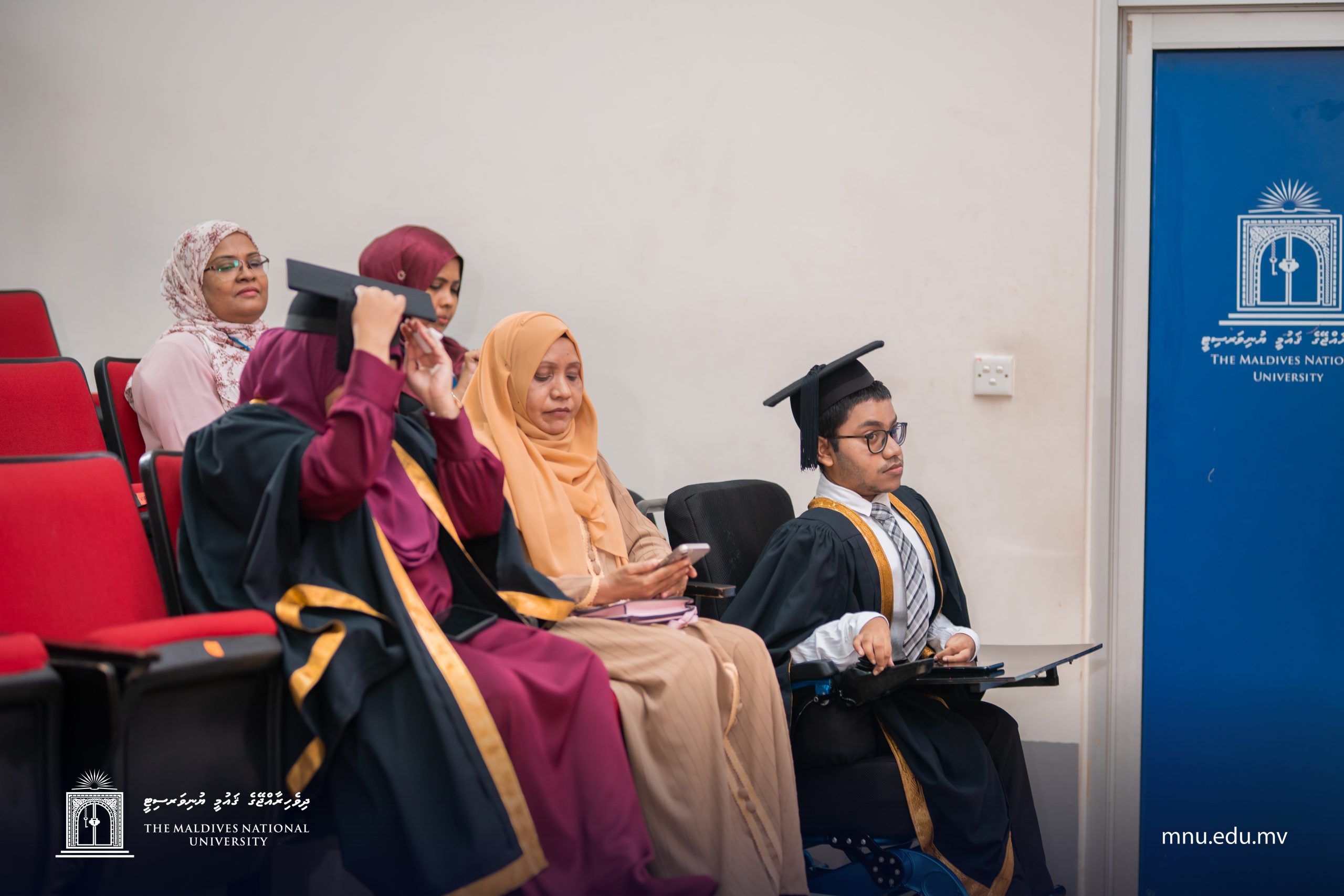
Physical Access and Built Environment
MNU seeks to ensure that its physical environment accommodates the diverse mobility and accessibility needs of its university community. Physical accessibility measures across campuses include wheelchair ramps, step-free access pathways, accessible building entrances, and appropriate circulation facilities. These provisions are intended to minimise mobility-related barriers and enable individuals with physical disabilities to access university buildings and services more independently.
The University’s approach to accessible infrastructure also encompasses disability-accessible restrooms, lifts and elevators in multi-level buildings, and wider access corridors to facilitate safe and convenient movement within campus facilities. These facilities reflect the University’s commitment to making its built environment more inclusive and responsive to the needs of people with disabilities.
Specialised and Sensory Learning Facilities
Recognising that students have different learning and communication needs, MNU supports the provision of adapted learning environments and appropriate educational accommodations for students with visual, hearing, and other sensory impairments.
For blind and vision-impaired students, the University facilitates appropriate learning support through customised learning materials and adjustments to teaching and learning arrangements. This commitment was demonstrated through the University’s support for its first blind graduate in 2025, marking an important milestone in advancing inclusive higher education and demonstrating that visual impairment should not be a barrier to academic achievement.
Similarly, MNU provides learning and communication accommodations for deaf and hard-of-hearing students through appropriate audio-visual arrangements, adapted teaching strategies, and reasonable adjustments to support effective participation in academic activities. These measures aim to ensure that students with sensory disabilities have equitable opportunities to access educational content, interact with lecturers and peers, and demonstrate their academic capabilities.
Academic and Examination Support Facilities
MNU recognises that equal access to education requires more than admission and physical access; students must also be provided with appropriate conditions to participate in learning, assessment, and examinations. Through its disability support arrangements, the University facilitates reasonable adjustments to accommodate individual learning and assessment requirements.
Such arrangements may include dedicated or suitable examination spaces, additional examination time, reader and scribe assistance, and the use of appropriate assistive digital tools. These adjustments are intended to ensure that students with disabilities are assessed fairly and that their academic performance is not disadvantaged by barriers unrelated to their knowledge or abilities.
The University also facilitates access to digital support and assistive technology through its Student Support Services and IT Helpdesk. This includes support for accessible digital learning resources and assistive computing requirements, helping students engage with the University’s academic and administrative systems.
Financial and Welfare Support Systems
In addition to physical and academic accessibility, MNU recognises that financial and personal circumstances can create additional barriers to participation in higher education. The University provides financial and welfare support arrangements to assist students with disabilities and address challenges that may affect their ability to continue and complete their studies.
Through coordination between Student Support Services and relevant administrative units, students may access applicable financial assistance and fee-related support mechanisms. These arrangements contribute towards reducing economic barriers and promoting equitable access to higher education.
MNU also recognises the importance of emotional wellbeing and psychosocial support in creating an inclusive university environment. Through initiatives such as the MNUwithU Support Line (1558), introduced in 2026, students can seek support for emotional distress, academic stress, psychosocial difficulties, and other mental health concerns. This service further strengthens the University’s commitment to student welfare and ensures that support extends beyond academic and physical accessibility.
Institutional Commitment to Reducing Inequalities
Through these infrastructure, academic, technological, financial, and welfare support measures, MNU seeks to create an environment in which disability does not become a barrier to accessing higher education or participating fully in university life. The University’s approach reflects the broader objectives of Sustainable Development Goal 10 (Reduced Inequalities), particularly the promotion of social, economic, and political inclusion and equal opportunities for all, irrespective of disability.
By combining accessible facilities with reasonable academic adjustments and dedicated student support services, MNU continues to strengthen its institutional capacity to accommodate diverse needs, promote independent participation, and advance inclusive and equitable higher education.