Students from the MPSY2025 cohort brought their learning in PSY515 – Clinical and Health Psychology into community settings through a series of wellness awareness sessions conducted in October and November 2025.
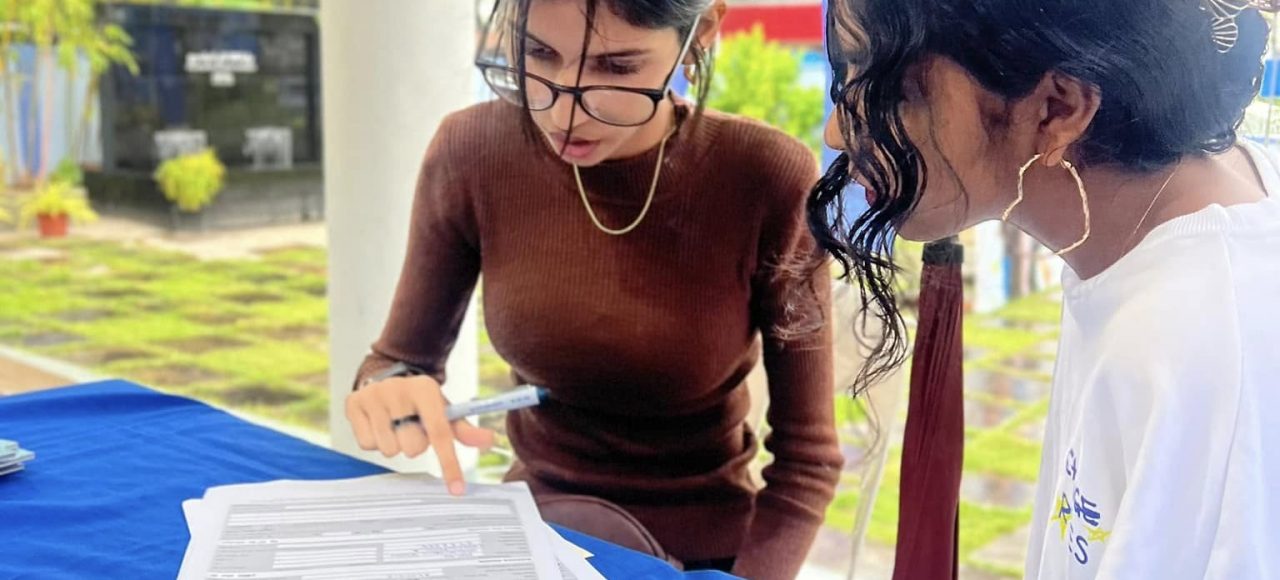
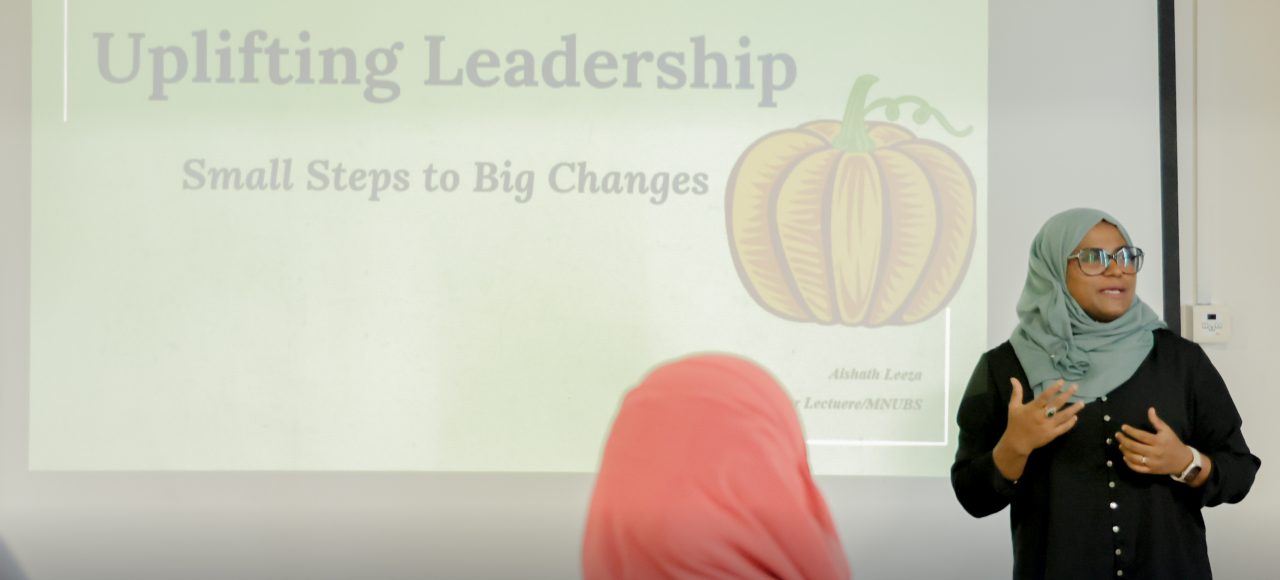
As part of their course assessment, students delivered sessions addressing a range of health and wellbeing topics, including menopause, sexual and reproductive health, pain management, and addictive behaviours. The sessions provided students with practical opportunities to translate academic knowledge into accessible health education for the public.
A session on menopause, conducted on 18 October 2025, focused on increasing awareness of menopause, including its physical and psychological effects and healthy management strategies. The session promoted informed understanding of women’s health while providing students with experience in delivering evidence-informed health education.
On 30 October 2025, students conducted sessions on sexual and reproductive health and pain management. The sexual and reproductive health session aimed to increase awareness and support informed decision-making and awareness of available information and services. The pain management session addressed strategies that can support both physical and psychological wellbeing, promoting a holistic understanding of pain management.
A further session on addictive behaviours was conducted on 6 November 2025, focusing on awareness of addictive behaviours, their potential impacts and prevention strategies. The session provided students with an opportunity to engage the public in discussions around healthier behaviours and wellbeing.
The sessions were conducted under the guidance of Mariyam Ifshan Ahmed, Subject Lecturer for PSY515 – Clinical and Health Psychology. Session facilitators included Aminath Lamha Jaleel, Mariyam Haifaa, Mariyam Nihaya Ahmed, Fiunaz Waheed, Irasha Mohamed, Aalaa Azmath Jameel, Aishath Nisha and Sa’ath Shiyam.
Together, the sessions demonstrated the value of experiential learning in health professions education. By engaging directly with the public, students developed their ability to communicate health information, apply psychological knowledge and contribute to community health promotion.
The initiatives contributed to SDG 3 (Good Health and Well-being) through health education and awareness, SDG 5 (Gender Equality) through initiatives addressing sexual and reproductive health and women’s health, and SDG 17 (Partnerships for the Goals) through engagement with community stakeholders.