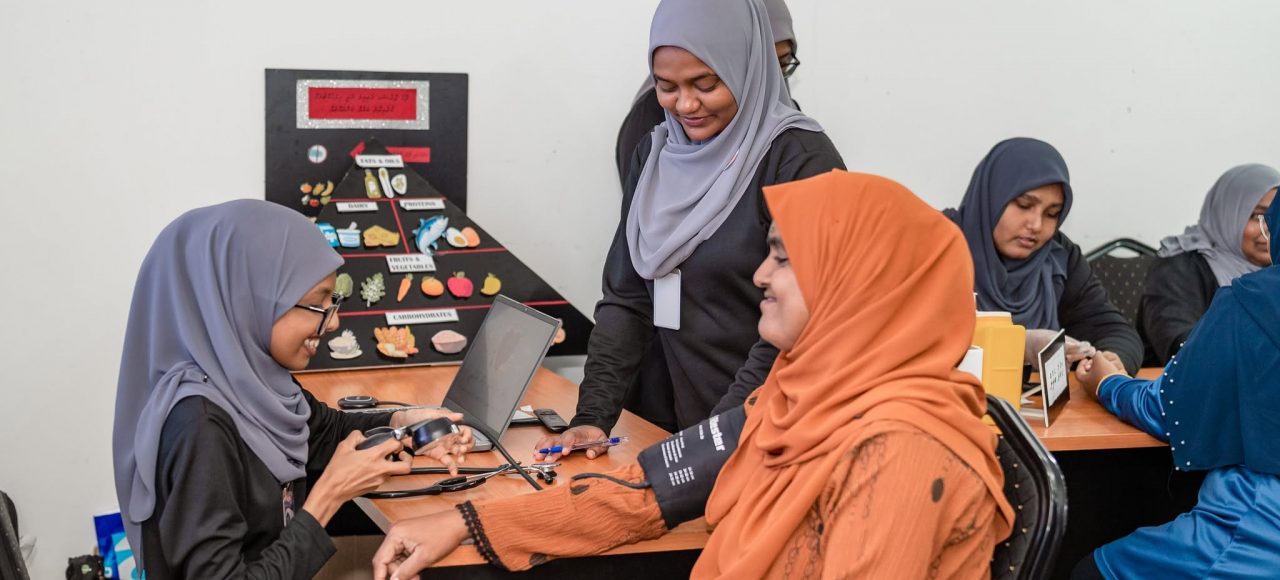
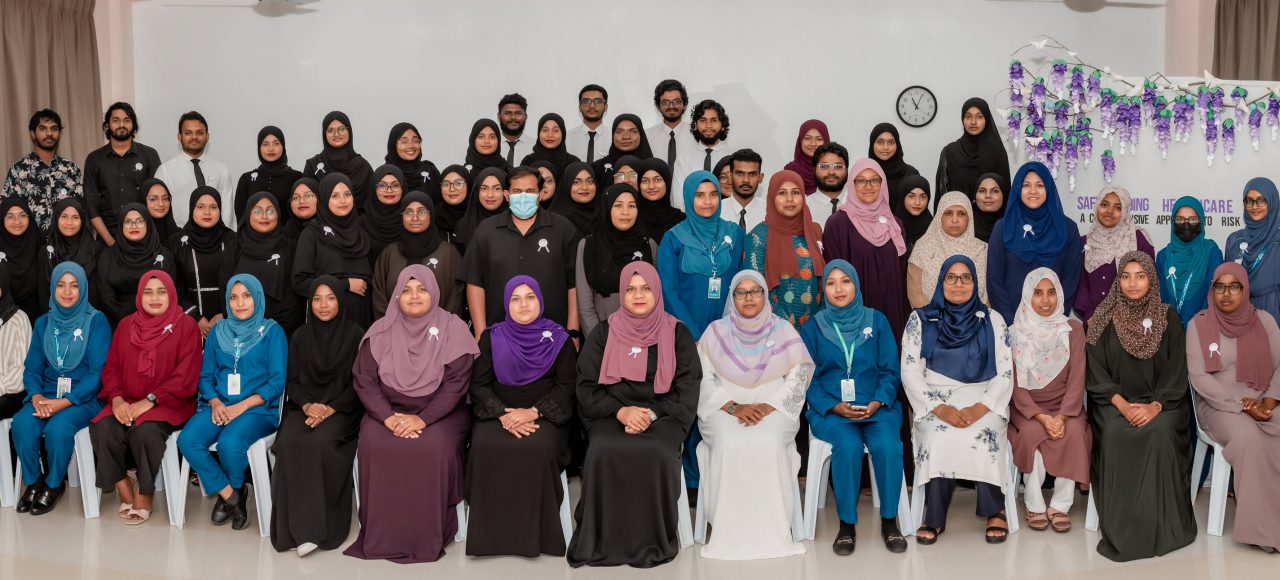
The Faculty of Health Sciences (FHS), The Maldives National University (MNU), strengthened capacity in health professions education through a series of workshops and collaborative sessions conducted in the Maldives from 14 June to 21 August 2025, following the programme’s international training component in Australia. The programme engaged 40 MNU staff members and focused on strengthening teaching practice, educational research, curriculum development, and academic innovation.
Delivered as part of the Health Professions Education Capacity Development Programme, the activities included an Orientation to Remote Health Contexts, Coaching Workshop, Problem-Based Learning (PBL) Workshop, Educational Research Workshops Part 1 and 2, Dissemination of Educational Research and Scholarship Workshop, Planning Meeting with AAF Fellows, and a Generative AI in Education Workshop.
The programme provided participants with practical opportunities to develop competencies in contemporary approaches to health professions education. Training in coaching, PBL and curriculum innovation supported the development of teaching strategies that can enhance learning experiences and strengthen the preparation of future healthcare professionals.
A key component of the programme was building capacity in educational research and scholarship. Through dedicated workshops on educational research and dissemination, participants developed skills to undertake, communicate, and contribute to scholarship in health professions education. This contributes to strengthening an academic culture in which teaching practice can be informed by research and shared through scholarly platforms.
The programme also emphasised the contextualisation of international educational practices to the Maldivian healthcare and education setting. This approach enabled participants to consider how global approaches to health professions education can be adapted to local needs and challenges, supporting more contextually relevant teaching and curriculum development.
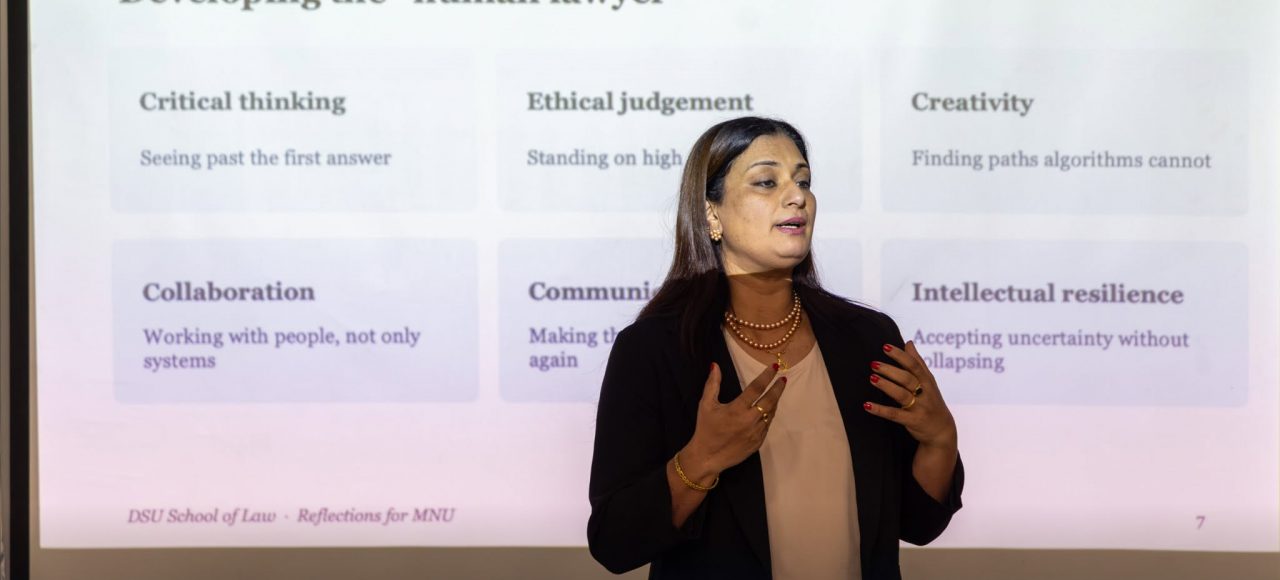
The inclusion of generative artificial intelligence (AI) in education further exposed participants to emerging technologies and their potential applications in teaching and learning. The session supported digital literacy and encouraged consideration of technology-enabled approaches within health professions education.
Through the combined focus on teaching methodologies, educational research, curriculum innovation, academic leadership and emerging educational technologies, the programme contributes to the continued professional development of health professions educators in the Maldives. Strengthening educator capacity has broader implications for the quality of healthcare education and the development of a skilled health workforce.
The programme also reflects the value of collaborative and international engagement in strengthening national educational capacity, while contributing to the broader goals of Sustainable Development Goal 3 (Good Health and Well-being), SDG 4 (Quality Education), SDG 9 (Industry, Innovation and Infrastructure), and SDG 17 (Partnerships for the Goals).